When to request help
Request professional review when backups, odors, wet yard areas, tank alarms, repeated slow drains, failed inspection findings, or planned replacement questions are involved.
Quick answer: Septic failure in Fort Mill is commonly caused by delayed pumping, too much water entering the system, grease or wipes in drains, roots or clogged lines, damaged baffles or pumps, heavy traffic over tanks or drain fields, saturated soil after storms, poor drainage, undersized systems, or age-related deterioration. A repair request should connect the likely cause to current symptoms and site conditions.
Request professional review when backups, odors, wet yard areas, tank alarms, repeated slow drains, failed inspection findings, or planned replacement questions are involved.
Share the property city or ZIP, symptoms, last pump date if known, access notes, timeline, and photos of lids, wet areas, alarms, or affected fixtures when available.
Failure Prevention
Understanding what causes septic failure helps Fort Mill homeowners prevent problems and protect their investment. Learn the common causes and how to avoid them.
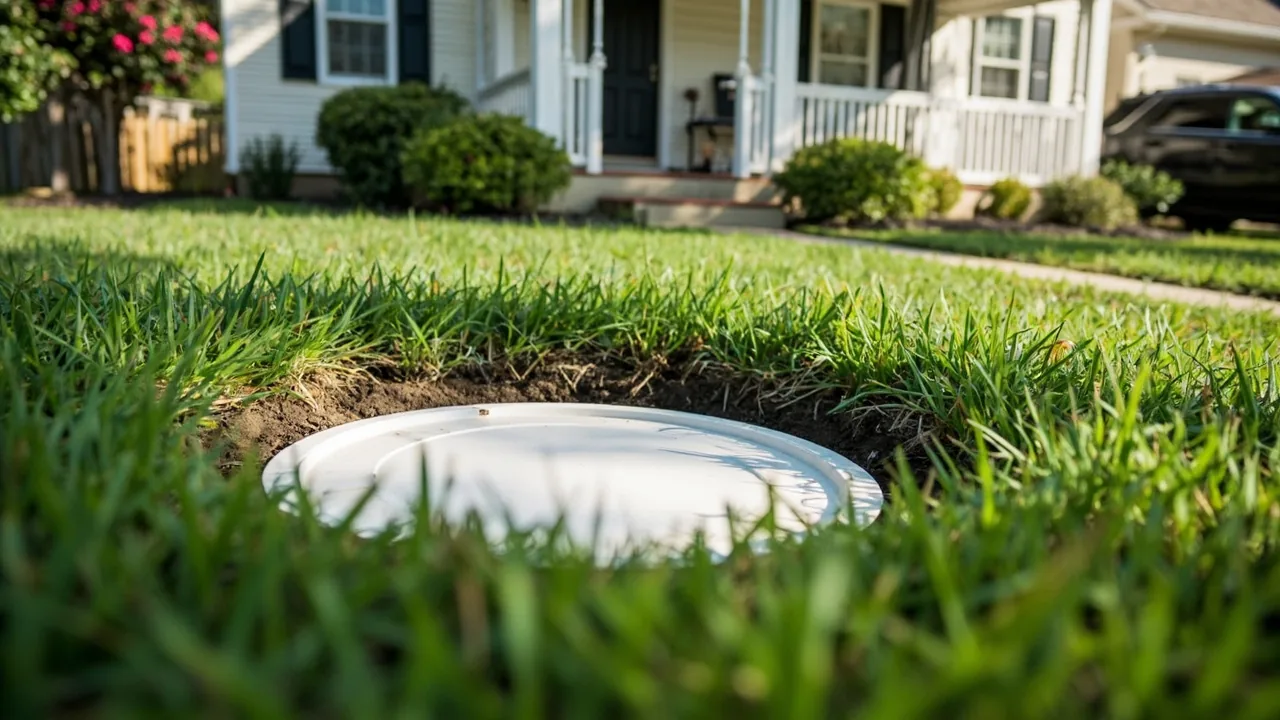 A failed drain field requires expensive repair
Septic failure occurs when a system can no longer properly treat and dispose of wastewater. This can happen suddenly or develop gradually over time. Understanding the causes helps you prevent problems and recognize warning signs early.
In Fort Mill, the most common causes of septic failure are preventable through proper maintenance and usage habits. By understanding what damages septic systems, you can take steps to protect yours and avoid costly repairs or replacement.
Septic failure typically falls into two categories: tank failure and drain field failure. Both are serious and require professional attention, but drain field failure is usually more expensive to address.
The single most common cause of septic failure is lack of regular pumping. When the septic tank is not pumped regularly, solids accumulate and eventually flow into the drain field.
Inside the septic tank, solids settle to the bottom as sludge, while lighter materials float to the top as scum. Bacteria naturally present in the tank break down some of these solids, but the majority remain. Over time, the sludge layer grows thicker.
When the sludge layer becomes too thick (typically when it occupies 25-30% or more of the tank volume), solids can flow out through the outlet pipe into the drain field. Once in the drain field, these solids clog the soil pores and prevent proper absorption.
Pump your tank every 3-5 years, depending on household size and usage. More frequent pumping may be needed for larger households or those with garbage disposals. Keep records of pumping to maintain a clear history.
Septic system components can be damaged by various physical forces:
Driving or parking vehicles, heavy equipment, or RVs over septic components can crush tanks, crack pipes, and compact soil over the drain field. Even occasional traffic during parties or construction can cause damage. Always keep vehicles off all septic components.
Freeze-thaw cycles, soil settling, and root growth can shift or damage tanks, pipes, and connections. In Fort Mill, seasonal temperature changes can cause ground movement that affects underground components.
Tree roots are attracted to the moisture and nutrients in septic lines. Roots can infiltrate pipes, cause cracks, and create blockages. Plant trees at least 50 feet from septic components, and avoid any vegetation with aggressive root systems near the system.
Concrete tanks can crack or corrode over time. Metal components (less common in modern systems) can rust. Regular inspections catch this type of damage before it causes system failure.
Hydraulic overload occurs when too much water enters the system faster than it can be treated and dispersed:
When water enters the system faster than the drain field can absorb it, the effluent has less time for proper soil treatment. This can lead to surface discharge, groundwater contamination, and eventual drain field failure.
Conserve water, fix leaks promptly, space out laundry loads throughout the week, and consider low-flow fixtures. If you have a large household, discuss system sizing with a professional.
What you put into your septic system affects its function:
Bleach, antibacterial soaps, solvents, paints, pesticides, and other harsh chemicals kill the beneficial bacteria in your septic tank that break down waste. Without these bacteria, solids accumulate faster and treatment efficiency decreases.
Wipes (even "flushable" ones), feminine products, paper towels, dental floss, and other materials do not break down properly in the septic tank. They accumulate, can cause clogs, and flow into the drain field.
Grease, fats, and cooking oils poured down the drain solidify in the tank and pipes, causing blockages. Always dispose of grease in the trash, not the drain.
Use septic-safe cleaning products in moderation. Never flush anything other than human waste and toilet paper. Dispose of grease and food waste properly.
Environmental factors beyond your control can affect septic system function:
Fort Mill's clay soils drain more slowly than sandy soils, which can stress drain fields. During heavy rains or when the ground is saturated, clay soil cannot absorb effluent efficiently, leading to surface discharge and potential failure.
Properties with high groundwater may have insufficient separation between the drain field and water table. This can cause effluent to rise to the surface rather than being filtered through soil.
Soil compaction from construction, heavy traffic, or even regular lawn maintenance can reduce drainage capacity. The drain field needs properly aerated soil to absorb effluent.
Choose appropriate systems for your soil type during installation. Avoid compaction by keeping vehicles and heavy equipment off the drain field. Ensure proper grading to direct surface water away from the system.
Systems that were not properly designed or installed are more likely to fail:
Systems that are too small for the household or the site's capacity cannot handle the wastewater volume, leading to overload and failure.
Insufficient distance from wells, property lines, or water bodies can cause contamination issues and code violations.
Systems installed in improperly prepared sites, such as those with compacted soil or inadequate drainage, may fail prematurely.
Always use licensed professionals for installation. Ensure proper permits are obtained and inspections are completed. Verify the system is appropriately sized for your home and site conditions.
All septic systems have a finite lifespan:
As systems age, components deteriorate, soil absorption capacity decreases, and the likelihood of problems increases. Most systems are designed to last 25-40 years, but this varies based on maintenance and conditions.
While you cannot stop aging, you can extend system life through proper maintenance and address age-related issues before they cause failure. If your system is more than 20 years old, increase inspection frequency and begin planning for eventual replacement.
Yes. While most failures develop gradually, sudden events like heavy equipment traffic, extreme weather, or major blockages can cause immediate failure.
Drain field failure is typically the most expensive, often requiring excavation and replacement at costs of $10,000 or more.
Watch for warning signs: slow drains, odors, wet areas in the yard, unusually green grass, or the need for more frequent pumping. Annual inspections help identify risks.
Neglected maintenance and hydraulic overload are common preventable causes. Regular pumping, leak repair, and spreading out laundry and water use can reduce risk.
Heavy rain can saturate soil around the drain field and make an existing weakness more visible. Standing water, odors, or slow drains after storms should be documented for review.
Pump on a suitable schedule, avoid wipes and grease, protect the drain field from vehicles and excess water, fix leaks, watch for odors or slow drains, and request inspection when symptoms repeat.
Tell us what is happening, where the property is, and how soon you need help. The goal is a complete, contractor-readable request — not a generic contact form.