When to request help
Request professional review when backups, odors, wet yard areas, tank alarms, repeated slow drains, failed inspection findings, or planned replacement questions are involved.
Quick answer: Fort Mill septic maintenance starts with regular pumping, water-use control, keeping grease and wipes out of drains, protecting the drain field from vehicles and excess water, and scheduling inspection when odors, slow drains, gurgling, alarms, or wet yard areas appear. The safest maintenance request includes household size, last pump date, visible symptoms, and photos if something changed.
Request professional review when backups, odors, wet yard areas, tank alarms, repeated slow drains, failed inspection findings, or planned replacement questions are involved.
Share the property city or ZIP, symptoms, last pump date if known, access notes, timeline, and photos of lids, wet areas, alarms, or affected fixtures when available.
Homeowner Guide
Protect your septic system investment with these essential maintenance tips. Regular care prevents costly repairs and extends the life of your system for decades.
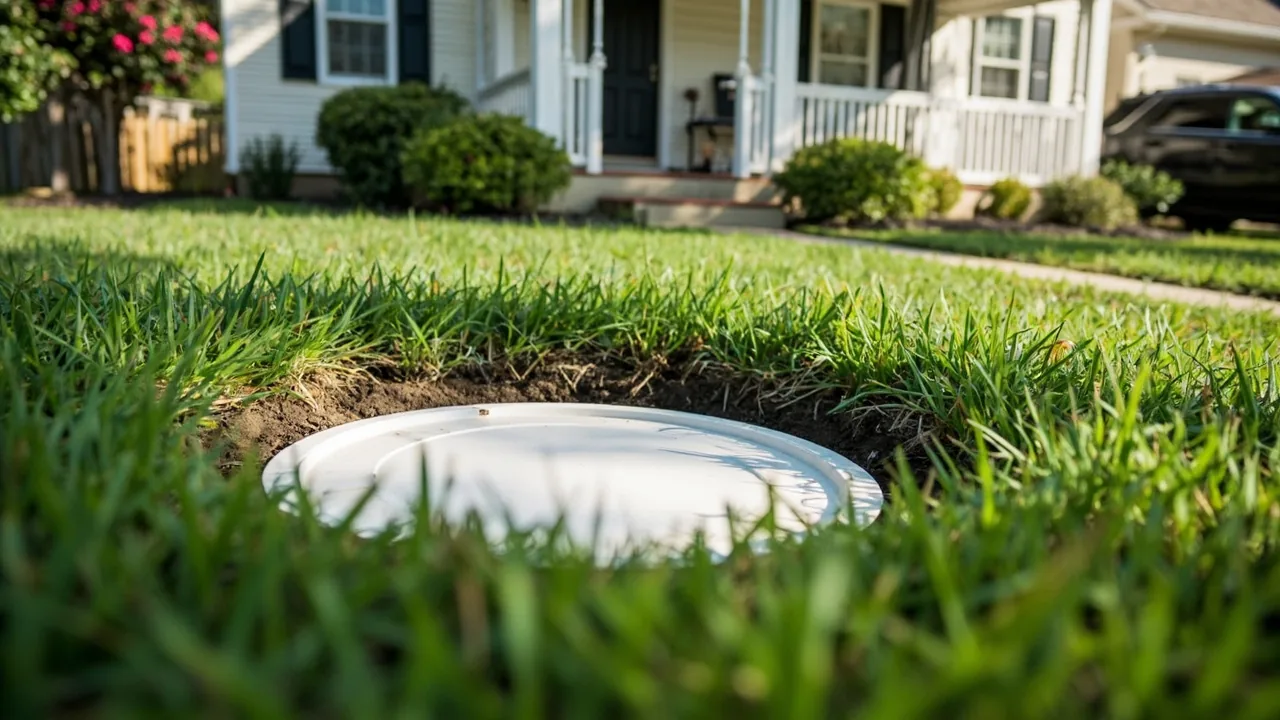 A healthy septic system starts with proper maintenance
Your septic system is likely one of the most expensive systems in your home, yet many homeowners neglect it until problems arise. In Fort Mill, where septic systems serve thousands of homes in Lancaster County and surrounding areas, proper maintenance is essential for protecting both your investment and your property value.
The average septic system costs $5,000-$15,000 to replace, while a failed drain field can cost $10,000 or more. Yet regular maintenance—primarily pumping every 3-5 years—costs a fraction of that and can add 10-20 years to your system's lifespan.
Beyond cost savings, proper maintenance protects your family's health. A failing septic system can contaminate groundwater, spread harmful bacteria, and create unsanitary conditions in and around your home.
What you do every day has a significant impact on your septic system's health. These simple habits can prevent major problems:
Excessive water use is one of the quickest ways to overwhelm a septic system. Every gallon of water that enters your home must eventually be processed by your septic system. By conserving water, you reduce the load on your system and give it time to properly treat wastewater.
Simple conservation measures include fixing leaky faucets promptly (a dripping faucet can waste hundreds of gallons monthly), installing low-flow showerheads and faucet aerators, running dishwashers and washing machines only with full loads, and spreading laundry throughout the week rather than doing multiple loads in one day.
Your toilet is not a trash can. Only human waste and toilet paper should go down the drain. Avoid flushing materials that can clog your system or kill the beneficial bacteria that break down waste:
Keep a trash can in your bathroom to make proper disposal easy for everyone in your household.
Your kitchen drain handles a lot of waste, but not everything belongs there. Avoid pouring grease, oil, or fat down the drain—they solidify and cause clogs. Coffee grounds accumulate in the tank and do not break down. Food scraps, even with a garbage disposal, add unnecessary solids to your system.
Consider composting food waste or disposing of it in the regular trash. If you use a garbage disposal, use it sparingly and understand that it will require more frequent tank pumping.
The weight of vehicles can compact soil, damage pipes, and crush tank lids. Never drive, park, or place heavy equipment over any part of your septic system, including the tank and drain field. This includes RVs, boats, construction equipment, and even temporary parking for parties.
Keep decks, pools, sheds, and other structures away from your septic tank and drain field. You need clear access for maintenance and pumping, and construction can damage underground components or compact the soil your system needs for proper drainage.
Tree roots are attracted to the moisture in septic lines and can infiltrate pipes, causing major damage. Plant trees at least 50 feet from your drain field, and avoid any planting over or near septic components.
Chemical drain cleaners kill the beneficial bacteria in your septic tank that break down waste. If you have a clog, use a plunger or snake, or call a plumber who understands septic systems.
Small issues become big problems quickly with septic systems. If you notice slow drains, odors, or wet areas in your yard, address them promptly. Early intervention is always less expensive than emergency repairs.
Fort Mill's climate requires some seasonal attention to your septic system:
After winter, check for any signs of damage from freezing temperatures or heavy rains. Look for settled ground, unusual wet areas, or damage to tank lids. Spring is also an excellent time to schedule your annual inspection if you have not done so.
Summer is peak water usage time in Fort Mill, with increased laundry, showers, and outdoor water use. Monitor your water usage and watch for signs of system stress. Ensure downspouts and gutter drains direct water away from the drain field.
Fall is an ideal time for septic pumping before winter. The ground is typically dry enough for easy access, and you enter the colder months with a properly maintained system. Also, drain and winterize any outdoor spigots that connect to your home's water supply.
Cold temperatures can cause issues if your tank is not buried deep enough or if the ground freezes deeply. Keep tank lids insulated with straw or foam, but never cover the drain field with impermeable materials. Avoid using salt or chemical deicers near the septic system, as these can enter the groundwater.
Septic tanks should be pumped every 3-5 years, depending on household size, tank capacity, and usage habits. A family of four with a 1,000-gallon tank typically needs pumping every 3 years. Larger tanks or smaller households can go longer. In Fort Mill, expect to pay $250-$500 for professional pumping.
Annual inspections by a qualified septic professional can catch problems before they become expensive repairs. An inspection includes checking water levels, examining components, looking for signs of damage, and assessing the drain field's condition.
If you are selling your Fort Mill home, South Carolina requires a septic inspection. Schedule this well in advance of your planned sale date so any necessary repairs can be completed. A passing inspection is a significant selling point.
Our local conditions require some special attention:
The clay soils common in Fort Mill and York County drain more slowly than sandy soils, making it especially important to avoid overloading your system with water. The high humidity and frequent summer rains can saturate drain fields, so watch for standing water after storms.
Many Fort Mill homes have older septic systems that may need more frequent attention. If your system is more than 20 years old, consider increasing inspection frequency and watch for warning signs more closely.
Local regulations in York County may have specific requirements for septic system maintenance, especially for systems serving commercial properties or multi-family homes. Contact the York County Environmental Health office for specific requirements.
Most Fort Mill homes should pump every 3-5 years. The exact frequency depends on household size, tank size, and water usage habits. A family of four typically needs pumping every 3 years.
While products claim to reduce pumping needs or improve system function, most septic professionals agree that regular pumping is more effective than additives. Some additives may even harm your system. Consult a professional before using any additive.
Faint odors near the tank occasionally can be normal, but strong odors indicate problems. Check for loose tank lids, full tanks, or drain field issues. If odors persist inside your home, this could indicate a backup—call a professional immediately.
Start with your home's as-built plans if available. The tank is typically 10-20 feet from your home's foundation, often near the main bathroom. The drain field extends from the tank toward the street or lowest area of your yard.
Many homes use a 3-5 year planning range, but household size, tank size, garbage disposal use, water use, and inspection findings can change the schedule.
Avoid flushing wipes or grease, spread laundry loads through the week, repair leaks quickly, limit harsh chemicals, and keep vehicles, sheds, and heavy landscaping off the drain field.
Multiple slow drains, sewage odor, tank alarms, wet or unusually green drain-field areas, backups, or problems soon after pumping should be described as possible repair or inspection symptoms, not only routine maintenance.
Tell us what is happening, where the property is, and how soon you need help. The goal is a complete, contractor-readable request — not a generic contact form.