When to request help
Request professional review when backups, odors, wet yard areas, tank alarms, repeated slow drains, failed inspection findings, or planned replacement questions are involved.
Quick answer: Common signs of septic failure in Fort Mill include sewage backing up indoors, several drains slowing at once, gurgling fixtures, sewage odors, a tank alarm, standing water or soggy soil over the drain field, unusually green grass, or repeated problems soon after pumping. Stop adding water during an active backup and request diagnosis with timing, affected fixtures, yard symptoms, last pump date, and photos.
Request professional review when backups, odors, wet yard areas, tank alarms, repeated slow drains, failed inspection findings, or planned replacement questions are involved.
Share the property city or ZIP, symptoms, last pump date if known, access notes, timeline, and photos of lids, wet areas, alarms, or affected fixtures when available.
Warning Signs
Septic system problems rarely appear overnight. Learning to recognize the early warning signs can save Fort Mill homeowners thousands of dollars in repairs and protect your property value.
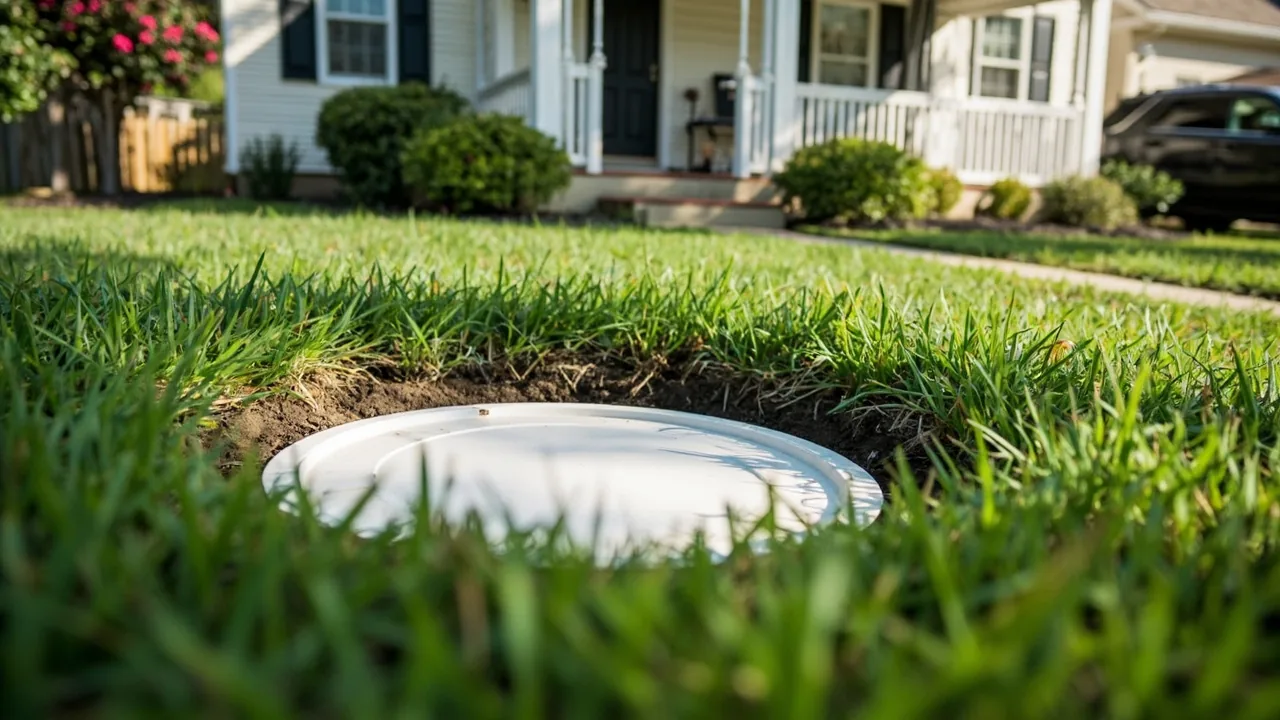 Standing water is a key sign of septic trouble
In Fort Mill and throughout York County, septic systems are a significant investment for homeowners. The average septic system costs $3,000-$10,000 to replace, while drain field repairs can exceed $15,000. Yet many homeowners ignore early warning signs until a complete system failure occurs.
Septic failure does not happen suddenly in most cases. The system typically gives warning signs for months or even years before a complete breakdown. By learning to recognize these indicators, you can address problems early when repairs are less expensive and less disruptive.
Early intervention also protects your property value. When a septic system fails, it can contaminate groundwater, create health hazards, and significantly reduce your home's marketability. Fort Mill real estate transactions require septic inspections, and failing systems can delay or derail sales.
Your home's interior plumbing often provides the first clues to septic system problems:
If multiple drains are slow simultaneously—rather than just one sink or shower—your septic system may be the culprit. While a single slow drain often indicates a local clog in that fixture's pipe, slow drains throughout the house typically mean the septic tank is full or the drain field is failing.
Pay particular attention to drains in the lowest parts of your home, such as basement floor drains or ground-floor bathrooms. These are often the first to show problems because they are closest to the septic system's exit point.
Any sewage backing up into your home is a serious emergency. Sewage contains harmful bacteria and pathogens that pose health risks. If wastewater comes up through drains, the septic system is completely overwhelmed and needs immediate professional attention.
In Fort Mill homes, sewage backup most commonly appears in tub and shower drains after running washing machines or doing multiple loads of laundry. This pattern indicates the system cannot handle the volume of water being sent through it.
Strange gurgling or bubbling sounds from your plumbing, especially after flushing toilets or running water, can indicate septic problems. These sounds occur when air is trapped in the pipes due to blockages or drainage issues in the septic system.
Toilets that don't flush properly, require multiple flushes, or bubble when other water is running can indicate septic issues. Additionally, if your toilet water levels rise and fall on their own, this may signal drainage problems in the septic system.
The area around your septic system often shows visible signs of trouble:
Standing water or persistently soggy ground over your drain field is one of the most obvious signs of septic failure. The drain field should absorb effluent as it arrives, but when the soil becomes saturated or clogged, water pools on the surface.
In Fort Mill's clay-heavy soil, this problem can be especially noticeable after rain. However, if soggy areas appear during dry weather or persist long after rainfall, your drain field likely needs attention.
While healthy grass is good, an area of unusually vibrant, lush grass over your drain field can indicate a problem. The effluent flowing through the drain field contains nutrients that act as fertilizer, causing grass above a failing or overloaded system to grow faster and appear greener than the surrounding lawn.
Foul septic odors in your yard, near the tank, or around the drain field indicate that gases are escaping the system. While a faint smell near the tank access lid occasionally is normal, strong, persistent odors anywhere on your property suggest problems.
Septic odors inside your home are even more concerning. If you smell sewage inside, especially in basement bathrooms or near floor drains, this could indicate a backup in progress or a vent pipe problem.
If the ground above your septic tank or drain field begins to sink or collapse, this is an urgent sign of structural failure. The tank may have a cracked lid, or the drain field pipes may have collapsed. This poses both a safety hazard and indicates serious system failure.
If you can access your septic tank and notice the water level is unusually high, the system is not draining properly. The outlet pipe may be clogged, or the drain field may be saturated. This often appears as water visible at or above the outlet pipe level when the lid is removed.
Many modern septic systems include an alarm that sounds when water levels rise too high. If your system has an alarm and it activates, this indicates a problem that needs immediate attention. The alarm may sound during high water usage, such as when doing laundry, or it may stay on continuously if there is a blockage.
Cracks in the tank, damaged or missing access lids, or visible deterioration of tank components are signs that the tank itself may be failing. In Fort Mill, tanks are typically concrete and can develop cracks over time, especially if subjected to heavy loads or ground movement.
Fort Mill's unique environment affects how septic failure may manifest:
The Piedmont clay soils in our area drain more slowly than sandy soils, which can make drain field problems more common and more severe. After heavy rains—common in Fort Mill's summer months—drain fields can become temporarily saturated, causing surface water issues that might be mistaken for true failure.
Many Fort Mill neighborhoods have older septic systems that were installed decades ago. If your system is 20-30 years old, it may be approaching the end of its expected lifespan, making failures more likely. Regular inspections become especially important for older systems.
New construction in the Fort Mill area sometimes encounters challenges with soil conditions and lot layout that can affect septic system performance. If you recently purchased a new home, pay extra attention to how the system performs during heavy use periods.
Call immediately for: Sewage backup in your home, strong sewage odors inside, visible sewage on the ground, sinkholes near the system, or a completely non-functional system. These situations pose health risks and require emergency response.
Schedule soon for: Slow drains throughout the house, wet areas in the yard that persist, unusually green grass, faint odors near the tank, or if your system has not been pumped in more than five years. These issues can often be addressed with routine maintenance or minor repairs.
No. Septic system repair requires licensed professionals with specialized equipment. Attempting DIY repairs can contaminate groundwater, damage the system further, and create health hazards.
This varies widely. Some issues develop over years, while others—like a completely blocked outlet—can cause backup within hours. The safest approach is to treat any warning sign as urgent and call for inspection.
Yes. South Carolina law requires septic inspections for home sales, and a failing system must be repaired before closing in most cases. This can significantly delay transactions and reduce your selling price.
Indoor sewage backup, multiple fixtures backing up, a sounding alarm, strong sewage smell, visible surfacing wastewater, or standing water over the system should be treated as urgent.
Sometimes a full tank contributes to symptoms, but repeated backups, wet drain-field areas, odors, alarms, or problems soon after pumping may involve lines, pumps, tank components, or the drain field.
Useful details include when symptoms started, which fixtures are affected, last pump date, recent heavy rain, tank alarm status, wet or odorous yard areas, access location, and photos.
Tell us what is happening, where the property is, and how soon you need help. The goal is a complete, contractor-readable request — not a generic contact form.