When to request help
Request winter help if backups, alarms, strong odors, standing water, frozen lines, or repeated slow drains continue after water use returns to normal.
Winter Guide
Identify and solve common septic problems that occur during Fort Mill's winter months. Expert guidance on cold weather system issues and emergency solutions.
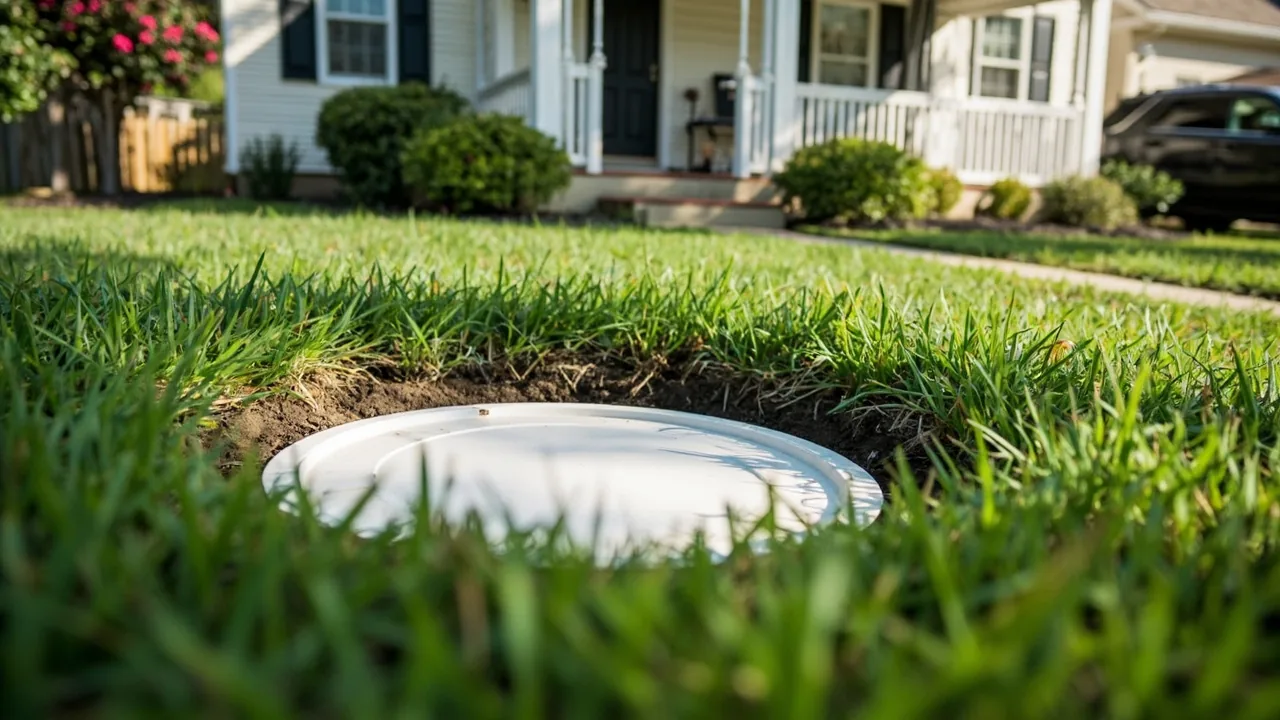 Winter brings unique challenges for septic systems
Winter creates specific challenges for septic systems in Fort Mill. Understanding these problems helps you recognize issues early and take appropriate action.
Pipes running from your home to the septic tank can freeze when temperatures drop significantly. This is more likely if pipes are buried less than 12 inches deep or if there's been unusual cold. Frozen pipes can crack or burst, causing leaks and backups.
While less common in Fort Mill's relatively mild climate, septic tanks can freeze if improperly insulated or if the water level is low. A frozen tank can crack, leading to major repairs. Full tanks are actually less likely to freeze because the wastewater provides thermal mass.
Ice can form in outlet pipes, septic vents, and distribution boxes. These blockages prevent proper flow and can cause backups. Ice is particularly problematic in systems with existing issues.
Frozen ground around the drain field prevents proper wastewater absorption. Even a healthy drain field may struggle in very cold weather, leading to surface ponding or backups.
Watch for these indicators of septic trouble during cold months:
Slow drainage is often the first sign of septic problems in winter. If water is draining more slowly than usual, check for freezing in pipes or saturation of the drain field.
Strong sewage odors inside your home or outside near the tank can indicate freezing, blockages, or backup problems. Don't ignore smells—they're often the first warning of serious issues.
Gurgling in pipes often indicates freezing or blockages. This happens when air is trapped due to ice or poor flow.
Wet spots in your yard that freeze into ice patches indicate drainage problems. Conversely, an unusually warm spot over the drain field might indicate a problem with heat generation from bacterial activity.
Toilets that run constantly, flush weakly, or make unusual sounds can signal septic problems. Check around the base of toilets for any signs of leaking.
If you suspect frozen pipes:
Reduce water usage immediately to prevent backups while you address the problem. Don't run dishwashers or washing machines until the issue is resolved.
Look for frost or ice on exposed pipes. Check where pipes enter and exit the ground. Note any areas where pipes might be shallow.
Do not attempt to thaw frozen pipes yourself—you can cause damage. Call a plumber or septic professional with experience in frozen pipe repair. They have the equipment to safely thaw pipes and assess damage.
Once pipes are thawed, have them inspected for cracks or damage. Even if pipes haven't burst, they may have been weakened and need repair or replacement.
Winter backups require immediate attention:
At the first sign of backup, stop using water immediately. Every additional flush or drain can worsen the backup and increase damage.
Determine if the backup is affecting all drains or just one fixture. If all drains are affected, the problem is likely at the septic system level. If only one fixture is involved, the issue may be in the drain line.
Septic backups during winter are emergencies. Contact a professional immediately. Don't wait—wastewater in your home during freezing temperatures creates health hazards and property damage.
If wastewater has entered your home, protect floors and belongings. Wear protective clothing when cleaning up. The contamination requires thorough sanitization.
Take these steps before cold weather arrives:
Add insulation over the tank lid before winter. Use straw, hay, or foam insulation board, then cover with a tarp to keep it dry. Ensure at least 12 inches of soil cover over the tank.
Ensure all septic pipes are buried at least 12 inches deep. If pipes are shallower, add soil coverage or have them re-buried properly.
A full tank is less likely to freeze because the wastewater provides thermal mass. Ensure your tank is pumped if needed before winter.
Natural snow cover provides insulation. Don't shovel snow aggressively away from the septic area—leave some snow for natural protection.
Fix any leaky faucets before winter. Constant water flow can contribute to freezing problems and adds unnecessary water to a system that's vulnerable in cold weather.
Chemical deicers can enter the groundwater and damage your septic system. They also kill beneficial bacteria in the tank. Use sand for traction instead.
Frozen ground is more susceptible to compaction and damage from vehicles. Keep all vehicles off the tank and drain field area.
Small problems become big problems quickly in winter. Address any signs of trouble immediately rather than waiting for spring.
While you want to insulate the tank, don't cover the drain field with plastic or impermeable materials. This traps moisture and can increase freezing.
Be prepared for winter septic emergencies:
Having a plan reduces panic during emergencies and helps ensure faster resolution.
Local conditions affect winter septic performance:
Fort Mill's winter temperatures are relatively mild compared to northern states, but occasional cold snaps can cause problems. Nighttime lows regularly drop below freezing from December through February, and occasional polar vortex events can bring temperatures near zero.
The clay soils common in York County drain slowly, which can contribute to saturation problems when combined with winter precipitation. Additionally, many Fort Mill homes have older septic systems that may be more vulnerable to cold weather damage.
If your home has experienced winter septic problems in the past, consider having a professional assess your system's vulnerability and recommend improvements.
Signs of frozen pipes include no water flow when you turn on a faucet, unusual gurgling sounds, and cold spots on floors or walls where pipes run. A professional can confirm with thermal imaging.
If a tank has cracked from freezing, it typically needs replacement. Minor freezing can sometimes be addressed with insulation and proper winterization. A professional can assess the damage.
Pipes can freeze within hours of temperatures dropping below freezing, especially if they're shallow or poorly insulated. Extended cold periods increase the risk.
A small, steady stream of water can help prevent freezing, but this adds to your water bill and may not be necessary with proper insulation. Consult a professional for advice specific to your system.
Quick answer: Winter septic problems around Fort Mill usually come from saturated clay soil, holiday water surges, frozen or sluggish lines during cold snaps, neglected filters, or a drain field that was already weak before temperatures dropped. Slow drains after heavy guest use may be a capacity or pumping issue; sewage odor, backups, alarms, or wet areas near the drain field need faster professional review.
Request winter help if backups, alarms, strong odors, standing water, frozen lines, or repeated slow drains continue after water use returns to normal.
Include timing of the symptoms, number of guests or fixtures affected, last pump date, alarm status, wet-yard photos, and whether the issue started after rain, freezing weather, or heavy use.
Cold-weather septic symptoms can escalate quickly. Share what changed, when it started, and whether backups or wet-yard signs are present.
Conversion cleanup: request details should include cold-weather septic symptoms, slow drains, odors, tank access, and deadline notes.