Seasonal Guide
Septic Winter Preparation for Fort Mill, SC
Protect your septic system from Fort Mill's winter weather. Learn essential winterization steps to prevent freezing, damage, and expensive repairs during cold months.
- Prevent frozen pipes and tanks
- Protect your drain field
- Reduce winter-related system stress
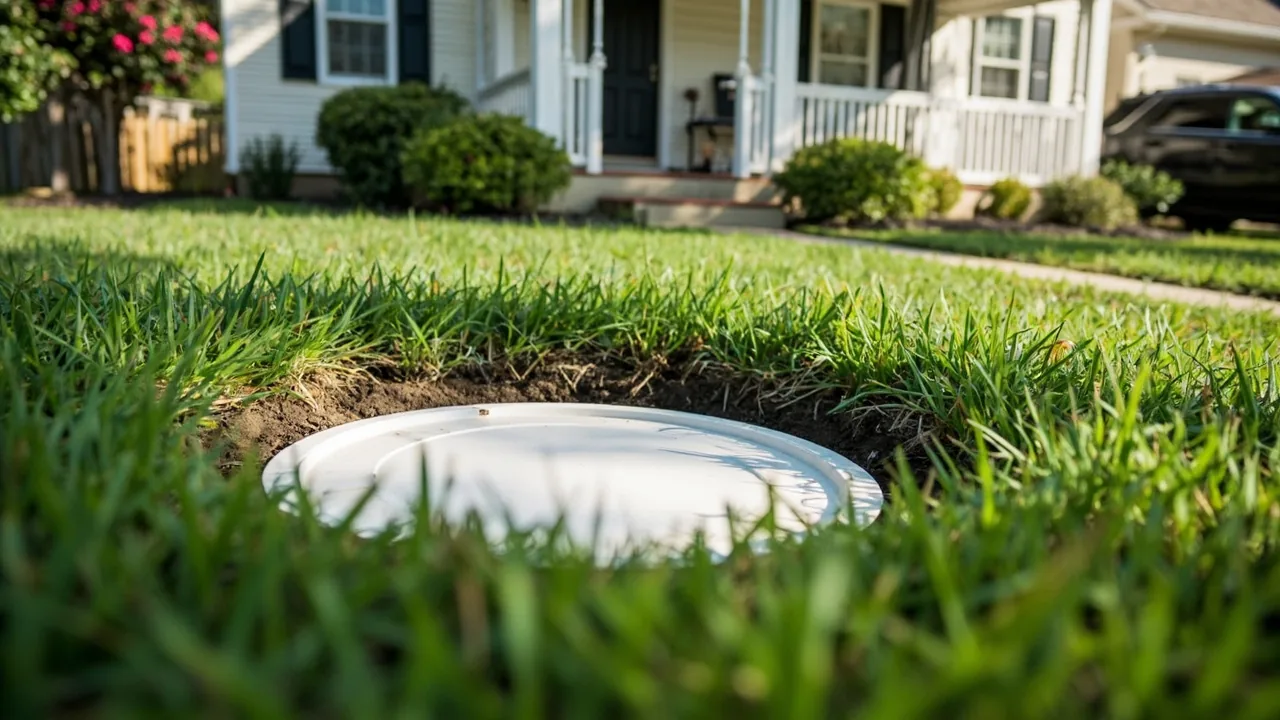 Winter preparation protects your septic investment
Why Winter Preparation Matters in Fort Mill
While Fort Mill enjoys relatively mild winters compared to northern states, the region still experiences freezing temperatures that can threaten your septic system. Nighttime lows regularly drop below freezing from December through February, and occasional cold snaps can bring temperatures into the teens or single digits.
When water in your septic pipes or tank freezes, it can cause pipes to burst, tank lids to crack, and damage to critical components. The cost of repairing frozen septic damage far exceeds the cost of preventive preparation. A single frozen and burst pipe can cost thousands of dollars to excavate and repair, not to mention the damage to your yard and the inconvenience of a non-functional system during cold weather.
Additionally, winter conditions can mask or exacerbate existing septic problems. When drain fields become saturated or frozen, wastewater has nowhere to go, leading to backups into your home. Preparing your system before winter hits ensures you won't face emergency repairs on a cold winter night.
Schedule Fall Septic Pumping
One of the most important steps in winter preparation is ensuring your septic tank is properly pumped before cold weather arrives. A full tank is more susceptible to freezing because the wastewater is closer to the surface and has less thermal mass to resist temperature drops.
Fall is ideal for pumping in Fort Mill because the ground is typically dry enough for easy access to the tank, temperatures are comfortable for working outdoors, and you enter winter with confidence that your system has adequate capacity. Schedule your pumping appointment in October or November to ensure availability before the winter rush.
During the pumping appointment, ask your service technician to inspect your tank for any signs of damage, check the baffles and inlet/outlet pipes, and verify that all components are in good condition. Any identified issues can be addressed before they become winter emergencies.
Insulate Your Septic System
Proper insulation protects your septic system components from freezing temperatures. Focus on these key areas:
Tank Lid Insulation
The tank lid is the most vulnerable part of your septic system to freezing. If your tank lid is buried less than 12 inches below the surface, consider adding insulation. Place a layer of straw, hay, or foam insulation board over the tank lid, then cover with a tarp to keep it dry. Do not use materials that can trap moisture, as this can actually increase freezing risk.
Pipe Protection
Supply lines and septic pipes that run near the surface are vulnerable to freezing. Ensure all pipes leading to and from your home and septic tank are properly buried at least 12 inches deep. If you have exposed pipes or shallow burial, consider adding pipe insulation or additional soil coverage.
Avoid Compacted Snow
While it might seem counterintuitive, leaving snow cover over your septic system can actually provide natural insulation. Snow is an excellent insulator, and a good snow pack can keep ground temperatures above freezing. Avoid shoveling or compacting snow over the tank and drain field area.
Adjust Water Usage for Winter
Winter conditions require some adjustments to how you use water in your home. These practices help reduce stress on your septic system during cold months:
Fix Leaky Faucets
A dripping faucet during winter isn't just annoying—it adds constant water to your septic system when it's most vulnerable to freezing. Fix all leaks before winter, including outdoor faucets that might drip when hoses are left attached.
Space Out Water Use
Avoid doing multiple loads of laundry or dishes in quick succession. Spreading water use throughout the day gives your septic system time to process wastewater properly, especially when temperatures are cold and bacterial activity is slower.
Drain Outdoor Lines
Disconnect and drain all outdoor hoses before winter. Outdoor spigots should be winterized according to your home's plumbing, but ensure no water remains in lines that connect to your septic system.
Protect Your Drain Field This Winter
The drain field is the final treatment stage for your septic system, and winter conditions require special attention:
Avoid Heavy Loads
Do not park vehicles, place heavy equipment, or store materials on your drain field at any time of year, but especially in winter. Frozen ground is more susceptible to compaction, which can damage drain lines and reduce the field's ability to treat wastewater.
Keep It Clear
Remove any structures, decks, or compacted surfaces from over your drain field. These prevent natural heating from the ground and can contribute to freezing problems.
Direct Runoff Away
Ensure downspouts and gutter drains direct water away from the drain field area. Water accumulation can saturate the drain field and, when temperatures drop, contribute to freezing problems.
Things to Avoid This Winter
Do Not Use Salt or Chemical Deicers
Avoid using salt or chemical deicers near your septic system. These chemicals can enter the groundwater and damage the beneficial bacteria in your septic tank. Use sand for traction instead, or choose pet-safe, septic-friendly deicers if necessary.
Do Not Cover the Drain Field
While you want to insulate the tank, do not cover the drain field with plastic, tarps, or impermeable materials. These trap moisture and can actually increase freezing risk. The drain field needs to breathe and allow natural evaporation.
Do Not Ignore Warning Signs
If you notice slow drains, gurgling sounds, or odors during winter, don't wait for spring to address them. These problems can quickly escalate in cold weather. Call a professional at the first sign of trouble.
Schedule a Pre-Winter Inspection
A professional inspection before winter can identify potential problems and ensure your system is ready for cold weather. During an inspection, a qualified technician will:
- Check tank water levels and compare to historical readings
- Inspect the inlet and outlet baffles for damage or blockage
- Examine the distribution box for proper flow
- Assess the drain field for signs of failure or saturation
- Verify that all components are properly insulated
- Check for any visible signs of freezing damage or vulnerability
Fort Mill homeowners should schedule their pre-winter inspection in October or early November to allow time for any necessary repairs before freezing weather arrives.
Be Prepared for Winter Emergencies
Despite your best preparations, winter emergencies can still occur. Be prepared:
- Know where your septic tank access lid is located (mark it if buried in snow)
- Keep emergency contact information for your septic service provider handy
- Know how to shut off water to your home if a backup occurs
- Have a plan for where to stay if your system fails during extreme cold
If your septic system stops working during winter, conserve water immediately and call for emergency service. Do not allow wastewater to back up into your home—evacuate if necessary and call a professional right away.
Frequently Asked Questions
How deep should my septic tank be buried?
Septic tanks should be buried at least 12 inches below the frost line. In Fort Mill, the frost line is approximately 6-8 inches, so tanks should be at least 18-20 inches deep. If your tank is shallower, add extra insulation before winter.
Can my septic tank freeze?
Yes, septic tanks can freeze if not properly protected. A full tank is more vulnerable because the wastewater is closer to the cold surface. Ensure your tank is properly insulated and consider pumping before winter if it's been several years since the last pumping.
Should I cover my septic tank with a tarp for winter?
No, do not cover the tank with an impermeable tarp. This traps moisture and can increase freezing. Instead, use breathable insulation like straw or hay, then cover with a tarp to keep the insulation dry.
What should I do if my pipes freeze?
If you suspect frozen pipes, call a plumber or septic professional immediately. Do not attempt to thaw pipes yourself, as you can cause damage. If wastewater is backing up into your home, evacuate and call for emergency service.
Related Resources
Quick answer: when should this Fort Mill septic topic become a service request?
Quick answer: If this septic winter preparation for fort mill, sc question involves sewage backing up, strong septic odor, wet drain-field soil, a tank alarm, failed inspection, property sale timing, a planned addition, or uncertainty about the right system type, capture the details before guessing. Fort Mill-area septic decisions depend on site conditions, county rules, tank history, soil behavior, and access.
- Urgent symptoms: backups, surfacing wastewater, or active alarms should be described with photos and timing.
- Planning questions: permits, additions, new construction, drought, storm, or seasonal usage issues need property-specific context.
- Best next step: submit the request with city/ZIP, last pump date if known, symptoms, timeline, and decision goal.
Request a Fort Mill Septic Estimate
Use this form when a septic question turns into a real repair, pumping, inspection, replacement, drain-field, permit, or planning need. Share the property location, symptoms, timing, and any photos so the request is specific enough for a contractor to evaluate.