Weather Guide
Septic Storm Preparation for Fort Mill, SC
Prepare your septic system for severe weather events. Essential storm readiness tips to protect your system during hurricanes, tropical storms, and severe thunderstorms.
- Before the storm
- During severe weather
- After the storm passes
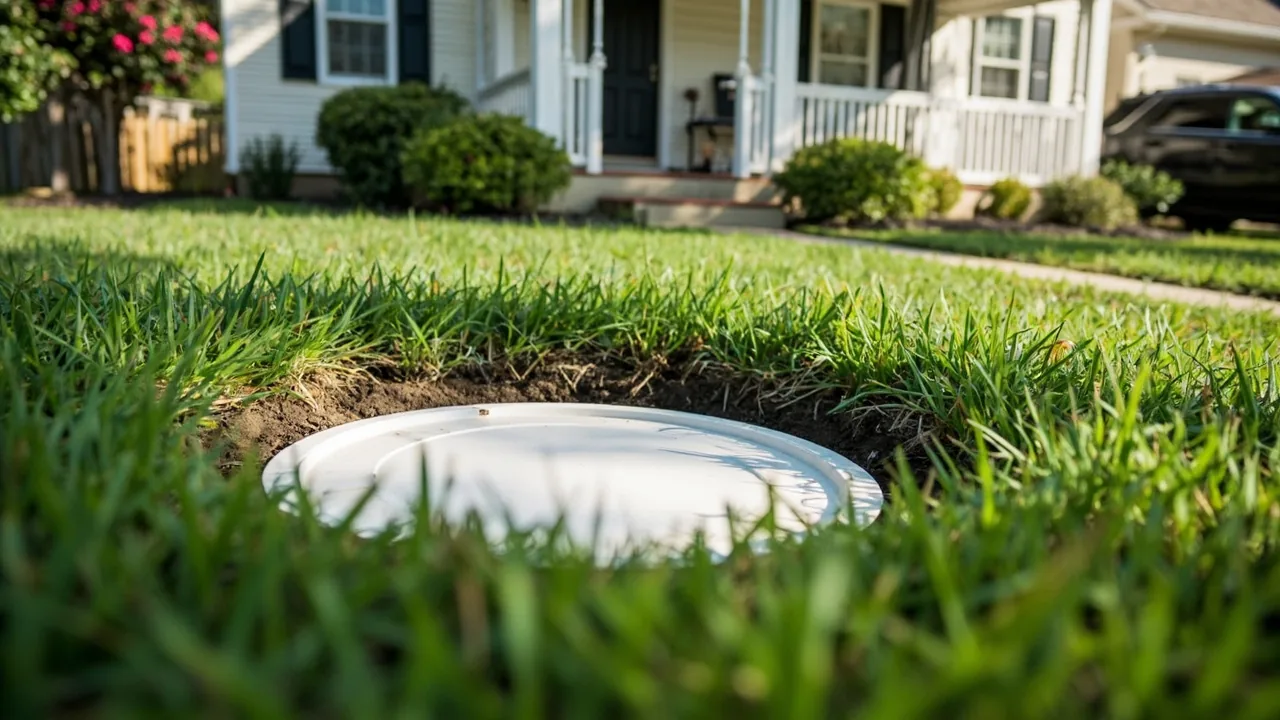 Prepare your septic system before severe weather arrives
Understanding Storm Risks to Septic Systems
Fort Mill faces multiple severe weather threats each year, from summer thunderstorms to occasional tropical storms and hurricanes. Each type of storm presents different risks to your septic system.
Heavy rainfall is the most common threat. Tropical storms and hurricanes can bring 10+ inches of rain in a day, quickly saturating drain fields and overwhelming systems. The combination of high winds, flooding, and power outages creates multiple potential problems.
High winds can damage above-ground components like vent pipes, tank lids, and access covers. Falling trees and debris can damage any part of the system. Power outages affect systems with electric pumps, preventing proper wastewater processing.
Flooding is particularly dangerous. When floodwaters rise around your septic tank, the system can be compromised in multiple ways. Additionally, flooded drain fields cannot accept wastewater, leading to backups into your home.
Before the Storm: Preparation Steps
Take these steps before severe weather arrives:
Schedule Pre-Storm Pumping
If a storm is forecast and your tank needs pumping, schedule service as soon as possible. A properly pumped tank has more capacity to handle heavy rainfall and reduces the risk of backup during the storm.
Inspect and Secure Components
Check all septic components for damage or loose parts. Secure tank lids, inspect vent pipes, and ensure access covers are tight. Remove any debris or items stored near the system that could become projectiles.
Clear Drainage
Ensure gutters and downspouts direct water away from your septic system. Clear any debris from drainage paths. Proper grading prevents water from pooling around the tank and drain field.
Know Your System
Know the location of your septic tank, drain field, and cleanout access. Mark these locations if they might be hard to find after storm damage. Take photos for documentation.
Document Your System
Take photos of your septic system before the storm. This documentation helps with insurance claims if damage occurs and assists professionals in locating components.
During the Storm
When severe weather is active:
Conserve Water
Reduce water usage during heavy rain. Avoid running dishwashers, washing machines, and limit showers. This reduces the load on your system when drain fields may be saturated.
Monitor for Problems
Watch for signs of system stress: slow drains, gurgling sounds, odors, or water pooling in the yard. Note any changes so you can report them accurately.
Stay Safe
Your safety is the priority. Don't go outside during high winds or flooding to check on septic components. Postpone inspection until conditions are safe.
Protect Indoor Areas
If you notice backup beginning, place towels or barriers around floor drains. Have a plan for where wastewater might go if it enters your home.
After the Storm Passes
Once conditions improve, assess your system:
Wait for Flooding to Recede
Do not attempt to inspect or use your septic system while floodwater remains around it. Wait until standing water drains away and the ground is no longer saturated.
Inspect for Damage
Once it's safe, walk your system and look for visible damage: cracked lids, damaged pipes, displaced components, or erosion around the tank. Check for objects that may have been blown onto the system.
Test Drains
Start by running water slowly in one fixture. Watch how it drains and listen for unusual sounds. If drains work properly, gradually increase water usage over several days.
Check for Odors
Septic odors that persist after the storm could indicate damage or backup problems. Strong smells inside your home require immediate attention.
Look for Standing Water
Check the drain field for standing water that doesn't drain within 48 hours. This indicates the drain field may be damaged or saturated beyond capacity.
Handling Power Outages
Storms often bring power outages, which affect septic systems with electric components:
Pump Systems
If your system has a pump (for effluent distribution or to lift sewage), it won't work during a power outage. Limit water usage to prevent the pump chamber from overflowing.
Generator Considerations
If you use a generator, ensure it's properly connected. Never run a generator indoors or in enclosed spaces—carbon monoxide is deadly. Connect generators outside, away from open windows.
When Power Returns
After power is restored, your system should resume normal function. However, if you used the system heavily during the outage, monitor for problems over the next several days.
Sump Pumps
If your home has a sump pump that affects septic drainage, ensure it's working when power returns. Test it and clear any debris that may have entered.
Dealing with Flooding
If flooding affects your septic system:
Do Not Use the System
When floodwater surrounds your tank or covers the drain field, do not use your septic system. Wastewater has nowhere to go and will back up into your home.
Use Water Minimally
Even after floodwaters recede, wait before resuming normal water usage. The drain field needs time to drain and dry out—typically several days to a week.
Watch for Contamination
Floodwaters may have contaminated your well or other water sources. If you have a well, test the water before drinking. Don't allow children or pets to play in floodwater near the septic system.
Professional Assessment
After flooding, have your system professionally inspected before resuming normal use. The inspection should include checking for damage, assessing drain field function, and verifying all components are working.
Signs of Storm Damage
Watch for these indicators after severe weather:
- Cracked or missing tank lids
- Visible pipe damage or disconnections
- Erosion or sinkholes near the system
- Standing water that persists more than 48 hours
- Slow drains throughout the house
- Strong sewage odors inside or outside
- Gurgling sounds in pipes
- Toilet problems or backups
If you notice any of these signs, contact a professional for assessment and repair.
Insurance and Documentation
Proper documentation helps with recovery:
Document all damage with photographs and written descriptions. Keep receipts for any emergency repairs or temporary measures. Contact your homeowner's insurance company to understand your coverage for septic system damage.
Some policies cover septic system damage, while others may have specific exclusions. Understanding your coverage before a storm helps you make informed decisions about repairs.
If you need to make emergency repairs, take photos before and after. This documentation supports insurance claims and helps professionals understand what was done.
Fort Mill-Specific Storm Considerations
Local conditions affect storm preparation:
Fort Mill and York County can be affected by tropical storms and hurricanes that make landfall on the South Carolina coast. Even inland, these systems can bring significant rainfall and wind damage. Summer thunderstorms are more frequent and can produce heavy downpours in short periods.
The clay soils in the area drain slowly, making saturation more likely during heavy rain events. Low-lying areas near waterways may be particularly vulnerable to flooding. Additionally, many Fort Mill properties have mature trees that may fall during high winds, potentially damaging septic components.
Local emergency management agencies may issue shelter-in-place or evacuation orders. If you evacuate, turn off water to your home to prevent problems when you're away and the system is unattended.
Frequently Asked Questions
Can I use my septic system during a hurricane?
Minimize usage during severe weather. Heavy rainfall may already be overwhelming the drain field. If flooding is occurring, don't use the system at all until conditions improve.
Will my septic system work if the power is out?
Conventional gravity systems work without power. However, systems with pumps, alarms, or effluent distribution systems need electricity. Limit water usage during power outages if you have these components.
How soon can I use my septic system after a storm?
Wait until floodwaters recede and the ground has drained—typically 48-72 hours after rain stops. Start with minimal usage and increase gradually over several days.
Does homeowners insurance cover storm damage to septic systems?
Coverage varies by policy. Some policies cover septic damage, while others exclude it. Review your policy or contact your insurance agent to understand your coverage.
Related Resources
Quick answer: when should this Fort Mill septic topic become a service request?
Quick answer: If this septic storm preparation for fort mill, sc question involves sewage backing up, strong septic odor, wet drain-field soil, a tank alarm, failed inspection, property sale timing, a planned addition, or uncertainty about the right system type, capture the details before guessing. Fort Mill-area septic decisions depend on site conditions, county rules, tank history, soil behavior, and access.
- Urgent symptoms: backups, surfacing wastewater, or active alarms should be described with photos and timing.
- Planning questions: permits, additions, new construction, drought, storm, or seasonal usage issues need property-specific context.
- Best next step: submit the request with city/ZIP, last pump date if known, symptoms, timeline, and decision goal.
Request a Fort Mill Septic Estimate
Use this form when a septic question turns into a real repair, pumping, inspection, replacement, drain-field, permit, or planning need. Share the property location, symptoms, timing, and any photos so the request is specific enough for a contractor to evaluate.