Weather Guide
Septic After Heavy Rain for Fort Mill, SC
Protect your septic system after heavy rain and storms. Learn essential steps to prevent saturation, backups, and costly damage to your system.
- What happens to septic systems in heavy rain
- Warning signs to watch for
- When to call a professional
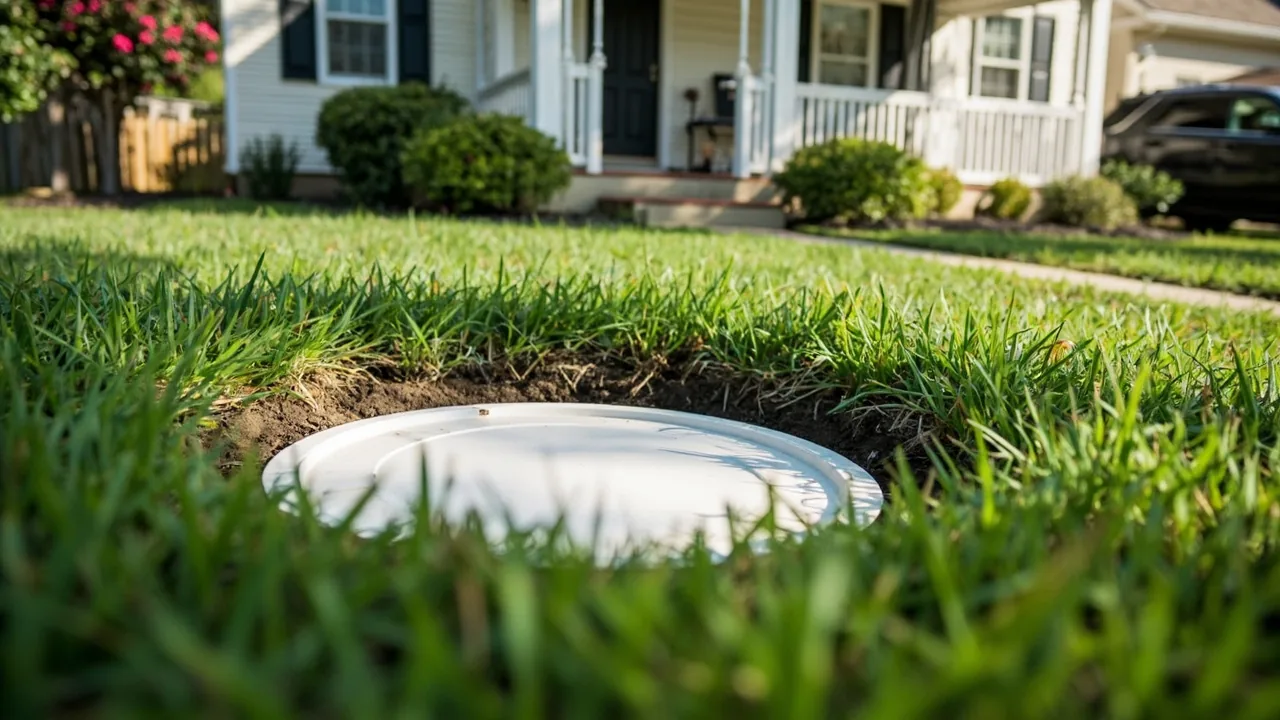 Heavy rain requires extra attention to your septic system
How Heavy Rain Affects Septic Systems
Fort Mill experiences significant rainfall throughout the year, with summer thunderstorms and occasional tropical systems bringing heavy downpours. Understanding how this rain impacts your septic system is essential for protecting your investment.
Your septic system relies on soil absorption to treat and disperse wastewater. When the ground becomes saturated from heavy rain, water cannot soak into the soil effectively. This means wastewater from your home has nowhere to go, leading to backups, surface ponding, and potential system failure.
The drain field is particularly vulnerable. It's designed to disperse effluent into surrounding soil, but saturated soil cannot accept more water. When the drain field becomes overwhelmed, wastewater can back up into your home or pool on the surface, creating health hazards and property damage.
Additionally, heavy rain can cause erosion around septic components, damage access lids, and even float tanks out of the ground in extreme cases. Fast-moving water can also damage distribution boxes and pipe connections.
Warning Signs After Heavy Rain
After significant rainfall, watch for these warning signs:
Surface Ponding
Water pooling on or near your drain field is a clear sign that the system is overwhelmed. Some standing water immediately after heavy rain can be normal, but water that persists for more than 24-48 hours indicates problems.
Slow Drains
If drains throughout your home are running slowly after rain, your septic system may be struggling to accept more wastewater. This often progresses to complete backups if not addressed.
Odors
Sewage smells inside your home or outside near the tank or drain field indicate problems. Odors suggest that wastewater is not flowing properly or that the system is backing up.
Gurgling Sounds
Unusual gurgling in pipes, toilets, or drains often indicates that air is being trapped due to drainage problems. This can signal a struggling septic system.
Wet or Soft Ground
Ground that remains soft, muddy, or shows signs of saturation around the tank or drain field long after rain has stopped needs attention.
Immediate Actions After Heavy Rain
When heavy rain has passed, take these steps:
Conserve Water Immediately
The most important step is to reduce water usage until the ground has a chance to drain. Avoid running dishwashers, washing machines, and limit showers. Every gallon you keep out of the system helps it recover.
Check All Drains
Run water in sinks and showers to test drainage. If water drains slowly or backs up, stop using water and call a professional. Continuing to use water during a backup can cause wastewater to overflow into your home.
Inspect the Yard
Walk around your septic system area and note any standing water, unusual wet spots, or damage to the tank lid or other components. Take photos for documentation if needed.
Check Indoor Fixtures
Look at floor drains, basement areas, and the lowest fixtures in your home. Any signs of wastewater backup require immediate professional attention.
Drain Field Recovery
After saturated conditions, your drain field needs time to recover:
Wait 48-72 hours after rain stops before assessing drain field condition—this gives the soil time to drain. Avoid walking on or driving over the drain field during recovery, as saturated soil is easily compacted. Do not add fill dirt or attempt to drain the area yourself, as this can damage the system.
If standing water persists beyond 72 hours, your drain field may be failing or severely compromised. Contact a professional for assessment.
Preventing Rain-Related Problems
Take these preventive measures before heavy rain:
Maintain Proper Grading
Ensure the ground around your home slopes away from the septic system. Water should not pool near the tank or drain field. Fill low spots and re-grade if necessary.
Clean Gutters
Keep gutters clean and ensure downspouts direct water at least 10 feet away from the septic system. Roof runoff can saturate the drain field area if not properly directed.
Keep the Tank Pumped
A full tank leaves less capacity to handle heavy rain events. Regular pumping ensures your system has room to accept wastewater during storms.
Avoid Compaction
Never drive or park vehicles on the drain field. Compacted soil drains more slowly and is more prone to flooding during heavy rain.
Plant Appropriate Vegetation
Grass and shallow-rooted plants help absorb water. Avoid trees with aggressive roots near the system, as they can damage pipes and interfere with drainage.
Fort Mill-Specific Considerations
Local conditions in Fort Mill create unique challenges:
York County clay soils drain much more slowly than sandy soils, making saturation more likely during heavy rain. The flat terrain in some areas can also contribute to drainage problems. Additionally, Fort Mill's summer thunderstorms can bring 2-4 inches of rain in a few hours, quickly overwhelming drainage systems.
Tropical systems occasionally bring prolonged heavy rainfall, creating extended saturation periods. If you live in a low-lying area or near waterways, your septic system may be more vulnerable to flooding. Consider having your system assessed if you've experienced rain-related problems in the past.
When to Call a Professional
Contact a septic professional if you experience:
- Backups inside your home
- Standing water that persists more than 48 hours after rain stops
- Strong sewage odors that don't dissipate
- Slow drains that don't improve with water conservation
- Visible damage to septic components
- Multiple fixtures backing up simultaneously
Don't wait—if your system is backed up, every hour you wait increases damage and health risks. Call for emergency service if wastewater is entering your home.
Long-Term Solutions for Rain Problems
If your septic system repeatedly struggles during heavy rain, consider these solutions:
A professional can assess whether your drain field is appropriately sized for your needs. Sometimes the system was undersized from the start, or household usage has increased beyond original design.
French drains or other surface drainage solutions can redirect water away from the septic area. This is particularly helpful if your property has natural low spots that collect water.
If soil conditions are poor, alternative drain field systems may be available. These might include raised beds, mound systems, or other advanced designs that work better in challenging soil conditions.
Regular maintenance, including pumping every 3-5 years and annual inspections, ensures your system is in good condition to handle rain events.
Frequently Asked Questions
How long should I wait after heavy rain to use my septic system normally?
Wait until the ground has drained—typically 24-48 hours after rain stops. If you have standing water or slow drains, conserve water until conditions improve.
Can heavy rain cause my septic tank to back up into my home?
Yes, if the drain field is saturated, wastewater has nowhere to go and can back up through drains and toilets. This is a medical emergency—contact a professional immediately.
Should I pump my tank before heavy rain season?
Yes, regular pumping ensures your tank has capacity to accept wastewater during rain events. Pump 3-5 years or before heavy rain seasons if approaching that timeframe.
Why does my septic system seem fine in light rain but fail in heavy rain?
Light rain is absorbed naturally by soil. Heavy rain saturates the soil, leaving no capacity for additional wastewater. The drain field becomes overwhelmed, causing backups.
Related Resources
Quick answer for septic problems after heavy rain in Fort Mill
Quick answer: After heavy rain, septic trouble is urgent when toilets or tubs back up, drains gurgle throughout the house, sewage odor appears, or the drain-field area becomes wet and soft. Saturated soil can prevent the field from accepting effluent, but the cause could also be a full tank, clogged outlet, pump issue, or stormwater drainage problem.
Local warning signs
- Slow drains or gurgling that start during or right after storms.
- Standing water, sewage smell, or unusually soft ground above the field.
- Alarm panel activity or backups after laundry, showers, or guests during wet weather.
What to include in the estimate request
- When the rain started, when symptoms appeared, and whether backups are active now.
- Photos of yard water, tank lids, downspouts, sump discharge, and low spots near the field.
- Last pump date, whether the tank has a pump/alarm, and any recent grading or drainage changes.
Cost and repair decision factors
- Do not flood the system with extra laundry, long showers, or repeated toilet flushing while saturated.
- Stormwater diversion can be part of the fix if roof runoff or grading sends water to the field.
- Emergency pumping may relieve symptoms, but it is not always a permanent repair for saturated fields.
Methodology: this is an educational Fort Mill septic planning guide. Exact scope and pricing require a qualified on-site inspection, safe access to system components, and review of local site conditions.
Should I pump the tank immediately after heavy rain?
Sometimes pumping is used for relief, but pumping a tank in saturated soil can create risks and may not fix the field problem. A contractor-readable request should describe whether backups are active and whether the yard is standing in water.
When is a rain-related septic issue an emergency?
Treat it as urgent when sewage is backing into the home, drains will not clear, alarms are sounding, or the drain-field area has sewage odor or wet surfacing.
Request a Septic Estimate
Tell us what is happening, where the property is, and how soon you need help. The goal is a complete, contractor-readable request — not a generic contact form.