System Comparison
Septic vs Sewer Systems in Fort Mill, SC
Understanding the differences between septic systems and municipal sewer helps Fort Mill homeowners make informed decisions about their property investment.
- How each system works
- Cost comparisons
- Maintenance requirements
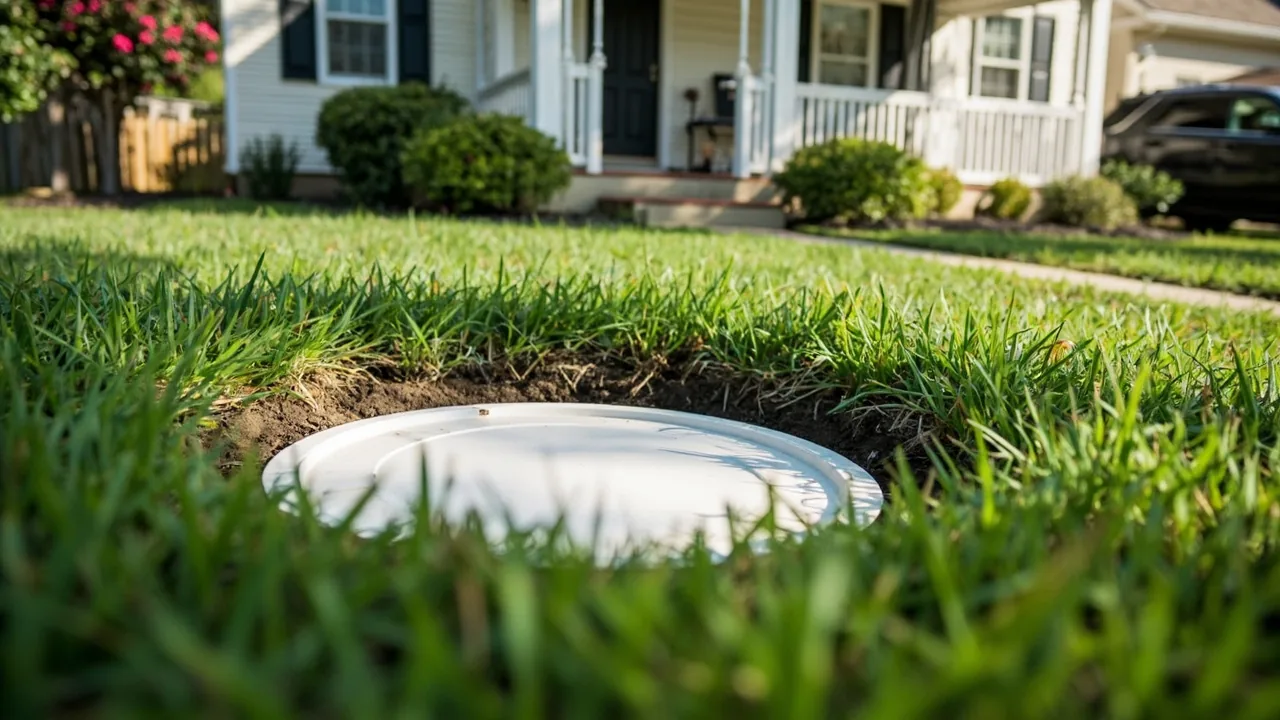 Individual septic system treatment
Understanding Your Wastewater Options in Fort Mill
Fort Mill homeowners have two main options for handling household wastewater: individual septic systems or municipal sewer service. The availability of each option depends on where you live in the Fort Mill area. Some neighborhoods have access to York County sewer service, while others require individual septic systems.
Understanding the differences between these options helps you maintain your current system, evaluate property purchases, and plan for future needs. Both systems have advantages and disadvantages that affect your daily life and long-term costs.
How Municipal Sewer Systems Work
Municipal sewer systems collect wastewater from multiple homes and transport it through a network of pipes to a centralized treatment facility. Here's what Fort Mill homeowners connected to sewer should know:
Collection: All wastewater from your home— toilets, showers, sinks, and appliances— flows through your home's plumbing into a lateral pipe that connects to the main sewer line in the street. From there, it travels to a treatment plant.
Treatment: At the treatment facility, wastewater undergoes multiple treatment stages to remove pollutants before being released into waterways or recycled. Modern plants use biological, chemical, and physical processes to clean the water.
User fees: Sewer users typically pay monthly or quarterly fees based on water usage. These fees cover operation, maintenance, and treatment costs. In York County, sewer rates vary but are generally charged based on water meter readings.
No maintenance responsibility: Homeowners with sewer connections are not responsible for maintaining the collection system. The utility handles all repairs and maintenance on the public infrastructure.
How Septic Systems Work
Septic systems treat wastewater on your own property, without connecting to a municipal system. For Fort Mill homes without sewer access, the septic system is your responsibility:
Tank treatment: Wastewater flows from your home into an underground septic tank, where solids settle and begin breaking down. Bacteria naturally present in the tank help decompose waste.
Effluent dispersal: Partially treated water flows from the tank into a drain field, where it percolates through gravel and soil. This final filtration removes harmful bacteria and nutrients before the water returns to groundwater.
No monthly fees: Once installed, septic systems do not incur monthly treatment fees. Your costs are limited to periodic maintenance, pumping, and occasional repairs.
Full maintenance responsibility: As a septic owner, you are responsible for all aspects of your system, including pumping, inspections, repairs, and ensuring proper use.
Cost Comparison: Septic vs. Sewer
Both options involve significant costs, but they are structured differently:
Sewer Costs
- Monthly/quarterly fees: York County sewer customers typically pay $30-$80 per month or quarterly bills based on water usage.
- Connection fees: Connecting to sewer if it becomes available can cost $2,000-$10,000 depending on distance and required infrastructure.
- No repair costs: The utility covers all repairs to the public system.
Septic Costs
- Installation: New septic system installation in Fort Mill typically costs $5,000-$15,000 or more, depending on soil conditions and system type.
- Pumping: Every 3-5 years, expect to pay $250-$500 for professional pumping.
- Repairs: Minor repairs cost $500-$2,000, while major repairs or drain field replacement can exceed $10,000-$15,000.
- No monthly fees: After installation, there are no recurring treatment costs.
Over 20-30 years, septic system owners may spend $3,000-$8,000 on maintenance and repairs, while sewer customers pay $7,000-$20,000 or more in service fees. However, major septic repairs or replacements can change this calculation significantly.
Maintenance Requirements Compared
Sewer System Maintenance
Homeowners with sewer connections have minimal maintenance responsibilities:
- Keep drains clear of clogs inside your home
- Know where your cleanout access is located
- Contact the utility if you notice sewer odors or drainage problems
- Report any damage to manholes or sewer lines in your yard
Septic System Maintenance
Septic owners have ongoing maintenance responsibilities:
- Schedule pumping every 3-5 years
- Conduct annual inspections
- Monitor water usage and conserve where possible
- Properly maintain drain field areas
- Avoid flushing or draining inappropriate materials
- Watch for signs of system problems
This maintenance requirement is the primary trade-off for septic ownership. While you avoid monthly fees, you must invest time and money in system care.
Impact on Property Value
Both septic and sewer systems affect property value differently:
Sewer-connected homes: Generally considered more desirable by buyers because of no maintenance responsibility and no risk of major repair costs. These homes typically appraise higher in comparable markets.
Septic homes: The value impact depends on the system's condition and age. A well-maintained system with documentation adds value, while a neglected or failing system can significantly reduce property value and delay sales.
For septic homes, documentation is key. Keep records of all pumping, inspections, and repairs. A passing septic inspection at sale time is a strong selling point that gives buyers confidence in their investment.
Fort Mill-Specific Considerations
Local conditions affect both systems in the Fort Mill area:
Sewer availability: York County has been expanding sewer service to various neighborhoods, particularly in rapidly growing areas. If sewer becomes available in your area, you may have the option to connect, though connection fees apply.
Septic in clay soil: Fort Mill's clay soils present challenges for septic drain fields, which drain more slowly than in sandy areas. This makes proper maintenance especially important and may affect system design for new installations.
Growth and development: As Fort Mill continues to grow, some areas may transition from septic to sewer. Check with York County Environmental Health or the local water/sewer utility for plans in your area.
Frequently Asked Questions
Can I switch from septic to sewer if sewer becomes available?
Yes, in most cases you can connect to sewer if it becomes available in your area. This requires a connection fee and plumbing modifications. Contact York County Utilities for specific requirements.
Which system is better for the environment?
Both systems can be environmentally responsible when properly maintained. Septic systems treat water on-site and can be very eco-friendly. Modern treatment plants are highly efficient at pollutant removal. The environmental impact depends more on system condition than the type of system.
Do banks require septic or sewer for mortgage approval?
Most lenders are comfortable with either system, though some may require a septic inspection for homes with individual systems. FHA, VA, and USDA loans all have specific septic inspection requirements.
Related Resources
Quick answer: when should this Fort Mill septic topic become a service request?
Quick answer: If this septic vs sewer systems in fort mill, sc question involves sewage backing up, strong septic odor, wet drain-field soil, a tank alarm, failed inspection, property sale timing, a planned addition, or uncertainty about the right system type, capture the details before guessing. Fort Mill-area septic decisions depend on site conditions, county rules, tank history, soil behavior, and access.
- Urgent symptoms: backups, surfacing wastewater, or active alarms should be described with photos and timing.
- Planning questions: permits, additions, new construction, drought, storm, or seasonal usage issues need property-specific context.
- Best next step: submit the request with city/ZIP, last pump date if known, symptoms, timeline, and decision goal.
Request a Fort Mill Septic Estimate
Use this form when a septic question turns into a real repair, pumping, inspection, replacement, drain-field, permit, or planning need. Share the property location, symptoms, timing, and any photos so the request is specific enough for a contractor to evaluate.