Buyer's Guide
Buying a House with Septic in Fort Mill, SC
Purchasing a home with a septic system requires special consideration. Learn what to inspect, questions to ask, and how to protect your investment.
- Septic inspection requirements
- Questions to ask the seller
- Red flags to watch for
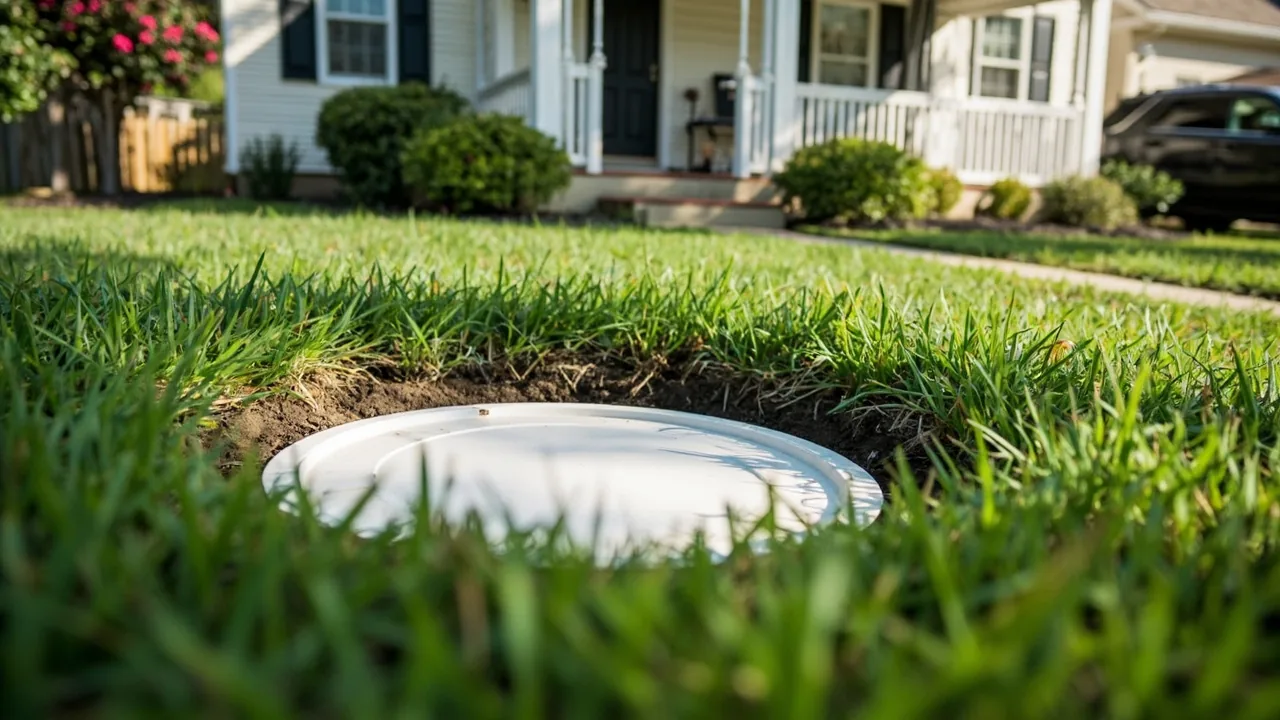 Many Fort Mill homes use individual septic systems
Why Septic Systems Matter When Buying a Home
In Fort Mill and throughout Lancaster County, many homes rely on individual septic systems rather than municipal sewer. If you are buying a home in Fort Mill, there is a good chance your potential new home has a septic system that will become your responsibility.
Septic systems are significant investments that can cost thousands to repair or replace. A failing septic system can not only create health hazards but also significantly reduce property value and delay or derail real estate transactions. Understanding what you are buying is essential for making a sound investment.
South Carolina law requires septic inspections for home sales, but the level of detail and rigor can vary. As a buyer, you need to understand what is being inspected and ensure the inspection is thorough enough to protect your interests.
Septic Inspection Requirements for Home Buyers
When buying a home with a septic system in South Carolina, you have several requirements to consider:
State Law Requirements
South Carolina law requires a septic inspection before the sale of any property with an individual sewage system. This inspection must be conducted by a licensed septic system inspector and must meet state standards. The seller is typically responsible for arranging and paying for this inspection.
Mortgage Lender Requirements
If you are financing your home purchase with an FHA, VA, or USDA loan, additional septic inspection requirements apply. These agencies have specific standards that must be met for loan approval. The inspection must verify the system is functioning properly and has adequate capacity for the home.
Buyer's Right to Independent Inspection
Even if the seller provides an inspection report, it is wise to hire your own independent inspector. Seller-arranged inspections may not be as thorough, and an independent inspector has your interests in mind. Consider this a worthwhile investment given the potential costs of system problems.
Questions to Ask the Seller About the Septic System
When viewing a potential home with a septic system, gather as much information as possible:
- How old is the septic system? Septic systems typically last 25-40 years with proper maintenance. Knowing the age helps you anticipate potential remaining lifespan.
- When was the tank last pumped? Recent pumping suggests the system has been maintained. Ask for records if available.
- Has the system ever been repaired or replaced? Past repairs indicate known issues. Get details on what was done.
- Are there permits and inspection records? Proper permitting and inspections suggest a professionally installed system.
- Have you noticed any problems? Be direct about backups, slow drains, odors, or wet areas in the yard.
- How many people live in the home? This helps gauge water usage relative to system capacity.
- What is the system's capacity? Larger tanks can handle more usage and go longer between pumpings.
If the seller cannot answer these questions or seems unwilling to provide information, consider this a red flag and ensure your inspection is especially thorough.
Red Flags When Buying a Home with Septic
Watch for these warning signs during your home search and inspection:
No Previous Pumping Records
If the seller cannot provide evidence of regular pumping (every 3-5 years), the system may have neglected maintenance. This could mean accumulated solids are approaching critical levels.
System Age Over 25 Years
While older systems can function well, they are approaching the end of typical lifespan. Budget for potential replacement or major repairs in the near future.
Visible Problems
Any visible issues during your walkthrough deserve attention: soggy yards, lush green patches over the drain field, visible cracks in tanks or lids, or any septic odors. These suggest active problems.
Missing Permits
If the system was installed without proper permits from York County Environmental Health, it may not meet code requirements, and you could face issues when selling in the future.
Land Slope and Soil Concerns
Fort Mill's clay soils and hilly terrain can create challenges for septic systems. Ask about soil tests and ensure the system is appropriate for the specific property conditions.
Proximity to Well Water
If the property has a private well, ensure adequate separation between the well and septic system. Contaminated well water creates serious health risks.
What a Thorough Septic Inspection Should Include
Ensure your inspection is comprehensive by verifying it includes:
- Tank inspection: Checking water level, measuring sludge and scum, examining baffles and inlet/outlet pipes, looking for cracks or damage.
- Drain field assessment: Evaluating soil conditions, checking for saturation or surface discharge, examining vegetation patterns.
- Plumbing test: Running water through the house to observe drainage and check for backups.
- System documentation review: Verifying permits, checking as-built drawings if available.
- Capacity assessment: Confirming the system is appropriately sized for the home and household size.
- Written report: Providing a detailed report with findings and recommendations.
Do not accept a visual inspection only. A thorough inspection requires accessing the tank and examining internal components.
Negotiating Based on Septic Inspection Results
Septic inspection findings often become negotiation points:
If the system passes: You can proceed with confidence, though you should budget for ongoing maintenance costs.
If pumping is recommended: Negotiate for the seller to complete pumping before closing or request a credit to cover this cost.
If repairs are needed: You have several options: request the seller make repairs before closing, negotiate a price reduction to cover repair costs, or walk away if the problems are severe.
If the system fails: In most cases, the seller must address major failures before the sale can proceed. Do not agree to purchase a failing system without fully understanding the costs and scope of required repairs.
Work with your real estate agent to understand all options and protect your interests in the negotiation.
Fort Mill-Specific Considerations
Local conditions affect septic systems in our area:
The clay soils common in Fort Mill drain more slowly than sandy soils, which can challenge drain field performance. Ensure the inspection addresses this and verify the system was designed for local soil conditions.
Fort Mill's growth means some neighborhoods may connect to municipal sewer in the future. While this can eventually relieve septic maintenance responsibility, connection fees can be substantial ($2,000-$10,000 or more).
Many Fort Mill subdivisions were built with septic systems as part of new construction. These relatively new systems may have remaining warranty coverage and should be in good condition if properly maintained.
Frequently Asked Questions
Who pays for the septic inspection?
Typically, the seller arranges and pays for the septic inspection as part of the sales process. However, buyers can hire their own inspector for additional peace of mind.
Can I skip the septic inspection if the system is new?
No. Even new systems should be inspected to verify proper installation and function. Additionally, mortgage lenders require inspections regardless of system age.
What happens if the septic inspection fails?
If the system fails inspection, necessary repairs must be completed before the sale can close. The seller is typically responsible for making these repairs or negotiating with the buyer.
Should I get a septic warranty or service contract?
Yes. Many home warranty companies offer septic coverage, and some septic companies offer service contracts. These can provide protection against unexpected repair costs.
Related Resources
Quick answer for Fort Mill home buyers
Quick answer: Before buying a Fort Mill home with septic, ask for the tank location, last pump date, septic permit records, repair history, and an inspection that checks the tank, baffles, distribution box, drain field, and signs of backups or wet soil. A normal home inspection is not the same as a septic evaluation.
Red flags before closing
- Slow drains, sewage odor, wet grass over the drain field, or recent emergency pumping.
- No clear record of tank size, install age, or permitted repair work.
- Additions, extra bedrooms, or heavy water use that may exceed the original system design.
What to send with an estimate request
- Property address or nearest cross street, seller disclosures, and inspection findings.
- Photos of lids, risers, drain-field area, wet spots, and any alarm panel.
- Closing timeline and whether repairs must be priced before due-diligence ends.
Should a buyer pump the tank before closing?
Pumping can expose baffle damage, solids level, cracks, or flow problems, but timing should follow the inspector's recommendation so evidence is not removed before evaluation.
Can a septic issue be negotiated in Fort Mill?
Often yes. Buyers commonly use inspection findings to request seller repairs, escrow discussions, or price adjustments, but exact options depend on the contract and the severity of the defect.
Request a Septic Estimate
Tell us what is happening, where the property is, and how soon you need help. The goal is a complete, contractor-readable request — not a generic contact form.