System Guide
Types of Septic Systems in Fort Mill, SC
Understanding the different septic system types helps Fort Mill homeowners choose the right solution for their property conditions.
- Conventional systems
- Alternative systems
- Advanced treatment options
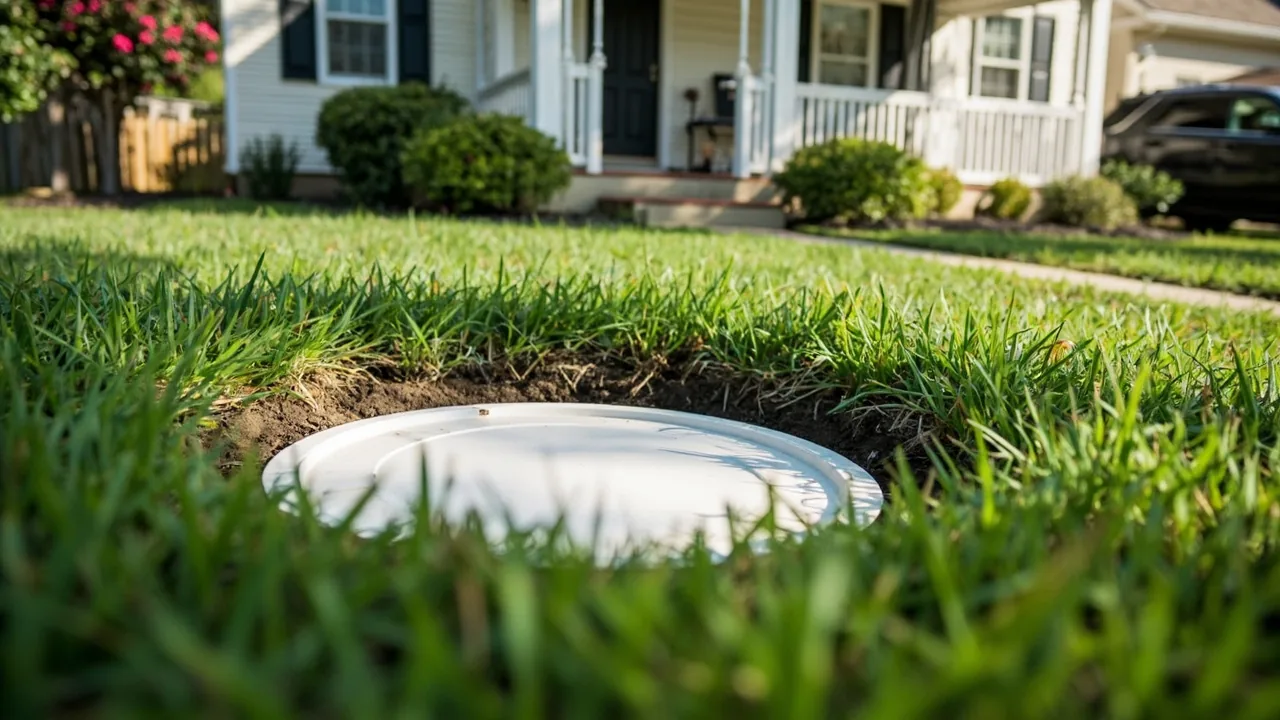 Professional septic services
Understanding Septic System Types
Septic systems come in many types, each designed for specific soil conditions, property constraints, and treatment needs. Understanding these options helps Fort Mill homeowners make informed decisions about installation, repair, or replacement. The right system depends on your specific site conditions, local regulations, and budget.
In Fort Mill and throughout York County, soil conditions, available space, and property characteristics determine which system types are viable for your property. A thorough site evaluation is essential to determine which system will work best for your situation.
Conventional Gravity Septic Systems
Conventional gravity systems are the most common type of septic system. They rely on gravity to move wastewater from the house through the tank and into the drain field.
How They Work
Wastewater flows by gravity from the home into the septic tank, where solids settle and are partially treated by bacteria. Liquid effluent then flows from the tank into the drain field, where soil treats and disperses it. No pumps or mechanical components are required.
Components
- Septic tank (1,000-1,500 gallons typical)
- Inlet and outlet baffles
- Distribution box
- Gravity-fed drain field lines
- Gravel and pipe distribution system
Requirements
Conventional gravity systems require:
- Adequate slope (typically 2-4% grade from house to drain field)
- Good soil drainage (percolation rate of 1-60 minutes per inch)
- Depth to groundwater of at least 4 feet
- Sufficient space for drain field
Pros and Cons
Advantages: Lower installation cost, simple operation, no mechanical parts to fail, proven technology with long lifespan.
Disadvantages: Requires suitable soil and slope, can fail in poor soil conditions, requires adequate space.
Conventional Pressure Distribution Systems
Pressure distribution systems use a pump to distribute effluent evenly throughout the drain field, allowing for more precise treatment and use in less ideal conditions.
How They Work
After the tank, a pump chamber collects effluent and pumps it under pressure through small-diameter pipes into the drain field. This ensures even distribution regardless of slight grade variations.
Components
- Septic tank
- Pump chamber with effluent pump
- Control panel and float switches
- Pressure manifold and laterals
- Smaller drain field area
Requirements
Pressure systems work in conditions where gravity systems won't function:
- Flat sites where gravity flow is insufficient
- Shallow soil over bedrock
- Slightly limited space
- Need for more precise distribution
Pros and Cons
Advantages: Works in challenging sites, smaller drain field possible, better treatment through pressure distribution, can overcome minor grade issues.
Disadvantages: Higher cost due to pump and controls, mechanical components can fail, requires electricity, more maintenance.
Aerobic Treatment Systems
Aerobic treatment systems (ATS) use oxygen to treat wastewater more thoroughly than conventional systems. They're often required in areas with poor soil or limited space.
How They Work
Air is injected into the treatment tank, promoting aerobic bacteria that break down waste more completely than anaerobic bacteria in conventional tanks. The treated effluent is then dispersed to a smaller drain field or surface discharge.
Components- Aerobic treatment tank with aerator
- Effluent filter
- Pump chamber
- Smaller drain field or discharge point
- Control panel
Requirements
Aerobic systems are typically used when:
- Soil doesn't percolate adequately for conventional systems
- Space is limited for conventional drain field
- High groundwater is present
- Surface discharge is permitted
Pros and Cons
Advantages: Works in poor soil conditions, smaller drain field needed, higher treatment quality, can discharge to surface water in some cases.
Disadvantages: Higher installation cost, requires continuous electricity, more complex maintenance, mechanical components can fail.
Chamber Septic Systems
Chamber systems are an alternative to traditional gravel drain fields. They use lightweight,拱形 chambers instead of gravel to create space for effluent distribution.
How They Work
After the septic tank, effluent flows into chamber units installed in trenches. The chambers provide a void space where effluent collects and slowly percolates into the surrounding soil. The chambers replace traditional gravel and pipe systems.
Components
- Septic tank
- Distribution box or header
- Chamber units
- Connection pipes
Benefits
- No gravel required (reduces material costs)
- Easier installation in tight spaces
- Better resistance to crushing
- Works in various soil types
- Smaller footprint possible
Pros and Cons
Advantages: Easier installation, no gravel needed, good performance in many conditions, sometimes allowed where conventional systems aren't.
Disadvantages: May not be approved for all sites, requires proper installation, may have different maintenance needs.
Mound Septic Systems
Mound systems are raised drain field installations used when natural soil conditions won't support conventional systems. They create an elevated absorption area using imported sand and gravel.
How They Work
Effluent flows from the septic tank to a pump chamber, which pumps it up into the mound. The mound contains layers of sand and gravel that treat the effluent as it slowly trickles downward into the existing soil below.
Components
- Septic tank
- Pump chamber
- Mound structure (sand, gravel, distribution pipes)
- Control panel
Requirements
Mound systems are used when:
- Soil percolation is too slow (clay soils)
- Depth to bedrock is insufficient
- Groundwater is too high for conventional systems
- Limited horizontal space exists
Pros and Cons
Advantages: Works in poor soil conditions, can overcome high water table, uses smaller property area than some alternatives.
Disadvantages: Higher installation cost, requires pump and electricity, mound can be visually prominent, requires more maintenance.
At-Grade Septic Systems
At-grade systems are similar to mound systems but are installed at ground level rather than raised. They're designed for specific soil conditions where conventional systems won't work.
How They Work
Effluent is pumped from a tank into a shallow, wide trench filled with treatment media. The system is installed at or just below the original ground surface, with a protective covering that allows the drain field to function without being underground.
Components
- Septic tank
- Pump chamber
- At-grade distribution bed
- Surface covering and vegetation
- Control panel
Benefits
- Works in challenging soil conditions
- Less visually obtrusive than mound systems
- Smaller footprint than some alternatives
- Good treatment effectiveness
Advanced Treatment Systems
Advanced treatment systems use sophisticated technology to achieve higher effluent quality than conventional systems. They're often required in sensitive areas or when superior treatment is desired.
Types of Advanced Systems
- Media filters: Use sand, peat, or synthetic media to filter and treat effluent
- Sequencing batch reactors: Use controlled biological processes for treatment
- Membrane systems: Use membrane filtration for ultra-clean effluent
- Nutrient reduction systems: Remove nitrogen and other nutrients
Applications
Advanced systems are required in:
- Watershed protection areas
- Locations near drinking water sources
- Properties with very limited space
- Where surface discharge is necessary
Fort Mill-Specific Considerations
Fort Mill's specific conditions affect which septic system types are appropriate for your property.
Soil Conditions
Fort Mill's clay-heavy soils often percolate slowly, making conventional gravity systems challenging. Many properties require alternative systems such as aerobic units, chamber systems, or mound systems.
Space Limitations
As Fort Mill grows, available septic space becomes more limited. Properties with smaller lots may require alternative systems with smaller footprints.
Regulatory Requirements
York County and South Carolina DHEC have specific requirements for different system types. Working with local professionals familiar with these regulations ensures your system meets all requirements.
Frequently Asked Questions
What type of septic system is best for clay soil?
Clay soil drains slowly, so conventional gravity systems often won't work. Aerobic treatment systems, chamber systems, or mound systems are typically better choices.
How long do different septic system types last?
Conventional systems can last 20-30+ years with proper maintenance. Alternative systems with mechanical components may have shorter lifespans (15-25 years) due to wear on pumps and controls.
Which septic system requires the least maintenance?
Conventional gravity systems require the least maintenance since they have no mechanical components. Systems with pumps, aerators, or electronic controls require more frequent attention.
Can I choose my septic system type?
Your viable options are determined by site conditions discovered during soil evaluation. A licensed installer can explain which system types your property can support.
Related Resources
Quick answer: when should this Fort Mill septic topic become a service request?
Quick answer: If this types of septic systems in fort mill, sc question involves sewage backing up, strong septic odor, wet drain-field soil, a tank alarm, failed inspection, property sale timing, a planned addition, or uncertainty about the right system type, capture the details before guessing. Fort Mill-area septic decisions depend on site conditions, county rules, tank history, soil behavior, and access.
- Urgent symptoms: backups, surfacing wastewater, or active alarms should be described with photos and timing.
- Planning questions: permits, additions, new construction, drought, storm, or seasonal usage issues need property-specific context.
- Best next step: submit the request with city/ZIP, last pump date if known, symptoms, timeline, and decision goal.
Request a Fort Mill Septic Estimate
Use this form when a septic question turns into a real repair, pumping, inspection, replacement, drain-field, permit, or planning need. Share the property location, symptoms, timing, and any photos so the request is specific enough for a contractor to evaluate.