Advanced Options
Alternative Septic Services in Fort Mill, SC
When conventional septic systems won't work, alternative systems provide solutions for challenging sites in Fort Mill, SC.
- Aerobic treatment systems
- Mound and at-grade systems
- Advanced treatment technology
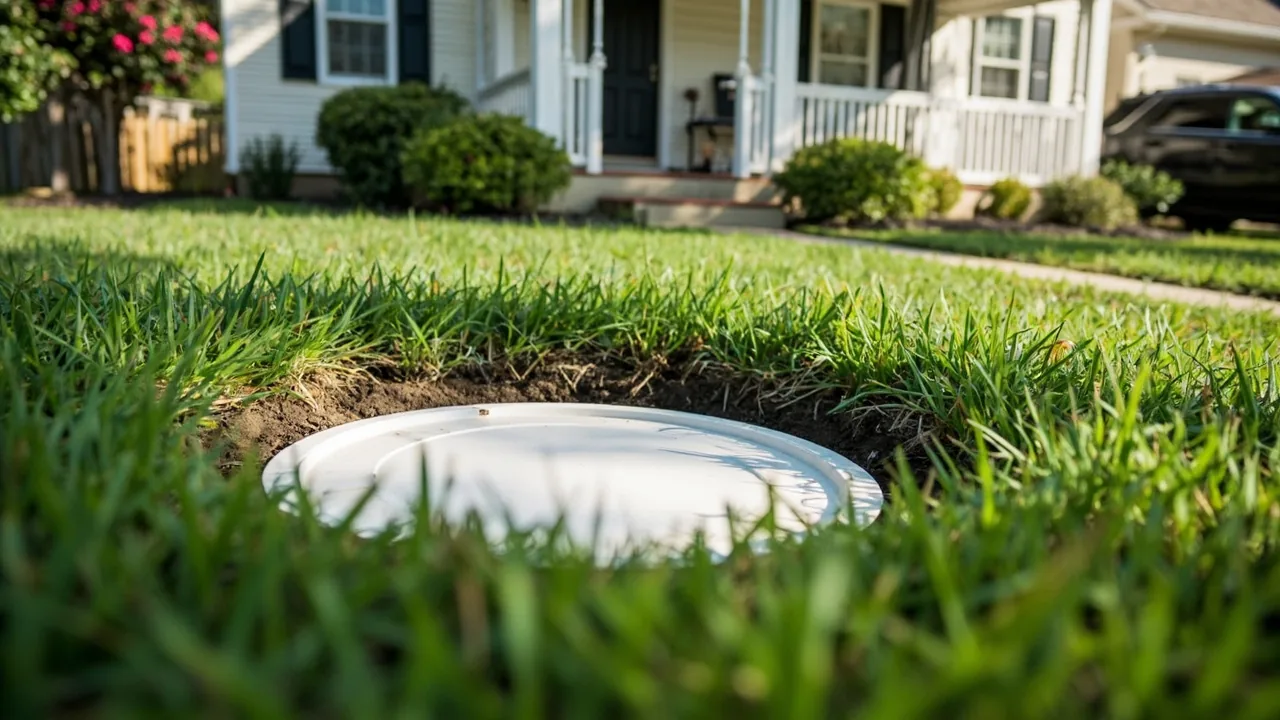 Professional septic services
Understanding Septic Alternative Systems
Not all properties can support conventional septic systems. In Fort Mill and throughout York County, many sites have soil conditions, space limitations, or other constraints that require alternative approaches to wastewater treatment. Alternative septic systems provide effective solutions where conventional systems won't work or aren't permitted.
Alternative systems use different technologies and designs to treat wastewater while meeting regulatory requirements. They may be required by York County or South Carolina DHEC, or they may be chosen by homeowners seeking specific benefits.
Aerobic Treatment Systems
Aerobic treatment systems (ATS) use forced air to create an oxygen-rich environment for wastewater treatment. This process achieves significantly higher treatment levels than conventional anaerobic systems.
How Aerobic Systems Work
Air is pumped into the treatment tank, promoting aerobic bacteria that actively consume and break down waste material. The treated effluent is then dispersed to a smaller drain field or, in some cases, discharged to surface water.
Benefits
- Works in poor soil conditions
- Smaller drain field required
- Higher treatment quality
- Handles high groundwater
- Can discharge to surface water in some cases
Considerations
- Requires continuous electricity
- Higher maintenance requirements
- More complex mechanical components
- Higher ongoing costs
Typical Cost
Aerobic system installation typically ranges from $12,000 to $25,000 in the Fort Mill area, depending on system size and complexity.
Mound Septic Systems
Mound systems are raised drain field installations that create an elevated absorption area using imported sand and gravel. They're particularly useful in areas with slow-draining clay soils.
How Mound Systems Work
Effluent flows from the septic tank to a pump chamber, which pumps it up into the mound. The mound contains layers of sand and gravel that treat the effluent as it slowly trickles downward into the existing soil below the mound.
Benefits
- Works in slow-percolation clay soils
- Handles high groundwater
- Works with shallow bedrock
- Proven technology
Considerations
- Higher installation cost than conventional
- Requires pump and electricity
- Visual impact on landscape
- Requires more maintenance
Typical Cost
Mound system installation typically ranges from $15,000 to $30,000 or more, depending on size and site conditions.
At-Grade Septic Systems
At-grade systems are similar to mound systems but are installed at or just below ground level rather than raised into a mound. They offer a less visually prominent alternative.
How At-Grade Systems Work
Effluent is pumped from a tank into a shallow, wide trench filled with treatment media. The system is installed at or just below the original ground surface, with a protective covering that allows the drain field to function properly.
Benefits
- Less visually obtrusive than mounds
- Works in challenging soil conditions
- Smaller footprint than some alternatives
- Good treatment effectiveness
Considerations
- Requires pump and electricity
- Higher cost than conventional
- Needs specific site conditions
Chamber Systems
Chamber systems are a gravel-free alternative to traditional drain fields. They use preformed, arched chambers to create distribution space.
How Chamber Systems Work
Chamber units are connected in series and installed in trenches. Effluent flows through the chambers and percolates into the surrounding soil through the chamber walls and bottom.
Benefits
- No gravel required
- Easier installation
- Better weight distribution
- Works in various soil types
- Sometimes allowed where gravel systems aren't
Considerations
- May have specific approval requirements
- Proper installation important
Media Filter Systems
Media filter systems use specially designed filter media to treat effluent before it reaches the drain field. They provide enhanced treatment in a compact footprint.
How Media Filters Work
Effluent passes through layers of filter media—typically sand, peat, or synthetic materials—where physical filtration and biological treatment remove additional pollutants. The filtered effluent then goes to a smaller drain field.
Types of Media
- Sand filters
- Peat filters
- Synthetic media filters
- Textile filters
Benefits
- Excellent treatment quality
- Small footprint
- Works in challenging conditions
- Can be installed underground
Drip Irrigation Systems
Drip irrigation systems represent a sophisticated approach to effluent dispersal, using low-pressure distribution to apply treated wastewater over a large area.
How Drip Systems Work
Effluent is treated and then distributed through a network of small-diameter tubing buried just below the soil surface. The tubing has tiny emitters that slowly release effluent into the soil.
Benefits
- Very even distribution
- Small footprint
- Works in various soils
- Buried, unobtrusive
Considerations
- Requires pretreatment
- Complex installation
- Requires electricity
- More maintenance
Advanced Treatment Systems
Advanced treatment systems use sophisticated technology to achieve superior effluent quality. They're often required in sensitive areas or when the highest treatment levels are needed.
Types of Advanced Systems
- Sequencing Batch Reactors: Use controlled biological cycles for treatment
- Membrane Systems: Use membrane filtration for ultra-clean effluent
- Nutrient Reduction Systems: Remove nitrogen and phosphorus
- UV Disinfection: Use ultraviolet light for pathogen destruction
Applications
- Watershed protection areas
- Properties near drinking water sources
- Very small lots
- Where surface discharge is necessary
Fort Mill-Specific Considerations
Alternative systems are particularly common in the Fort Mill area due to local conditions.
Soil Conditions
Fort Mill's clay-heavy soils often have slow percolation rates that make conventional systems impractical. Alternative systems like aerobic units or mound systems are commonly required.
Growing Development
As Fort Mill continues to grow, more properties with challenging septic conditions are being developed. Alternative systems make these properties buildable.
Regulatory Requirements
York County and South Carolina DHEC have established processes for approving alternative systems. Working with experienced local professionals ensures proper permitting.
Maintenance Resources
Many alternative systems require specialized maintenance. Choose an installer who provides ongoing service and can maintain your system for years to come.
Choosing an Alternative System
Selecting the right alternative system depends on several factors:
Site Evaluation
A thorough site evaluation is essential. This includes soil testing, percolation rates, groundwater depth, available space, and property constraints.
System Matching
Different systems suit different conditions. Your septic professional can recommend the best option for your specific site.
Budget Considerations
Alternative systems cost more than conventional systems. Consider both installation cost and ongoing maintenance expenses when making your decision.
Long-Term Planning
Consider your long-term plans for the property. Some alternative systems may affect future development options or property sale potential.
Frequently Asked Questions
Why would I need an alternative septic system?
Alternative systems are needed when site conditions won't support conventional systems. This includes slow soil percolation, high groundwater, limited space, or proximity to water bodies.
Are alternative systems more expensive to maintain?
Yes, most alternative systems require more maintenance than conventional systems. Aerobic systems need quarterly service, while simpler alternatives may only need slightly more attention than conventional systems.
Can alternative systems be used for commercial properties?
Yes. Alternative systems are commonly used for commercial properties, particularly restaurants, hotels, and other businesses that need higher treatment levels or have space limitations.
How long do alternative septic systems last?
With proper maintenance, alternative systems typically last 15-25 years. Some components (pumps, aerators) may need replacement sooner than the overall system.
Related Resources
Quick answer: when should this Fort Mill septic topic become a service request?
Quick answer: If this septic alternative systems in fort mill, sc question involves sewage backing up, strong septic odor, wet drain-field soil, a tank alarm, failed inspection, property sale timing, a planned addition, or uncertainty about the right system type, capture the details before guessing. Fort Mill-area septic decisions depend on site conditions, county rules, tank history, soil behavior, and access.
- Urgent symptoms: backups, surfacing wastewater, or active alarms should be described with photos and timing.
- Planning questions: permits, additions, new construction, drought, storm, or seasonal usage issues need property-specific context.
- Best next step: submit the request with city/ZIP, last pump date if known, symptoms, timeline, and decision goal.
Fast quote path for Alternative Septic Services in Fort Mill, SC
Quick answer: If you searched for alternative septic services around Fort Mill, use this page to send symptoms, wet-yard photos, fixture backup details, odor, last pump date, system type, tank/cleanout location, inspection deadline, ZIP code, and access constraints so the request is clear enough for quote routing.
Why this page was selected: GSC shows 3 impressions, 0 clicks, and best average position 64.7 for this cluster. The factory prioritizes near-click, commercial-intent pages before creating more low-signal content.
Urgency signals: Move faster when sewage backs up, several fixtures drain slowly, a yard stays wet or smells, alarms sound, pumping did not solve it, or a sale/inspection deadline is pending.
What to send first: symptoms, wet-yard photos, fixture backup details, odor, last pump date, system type, tank/cleanout location, inspection deadline, ZIP code, and access constraints.
How this helps the homeowner: instead of asking a contractor to diagnose a vague problem, the page turns the search into a structured request: location, symptoms, safe photos, timing, access, and the decision the owner needs made. That makes the lead easier to answer and easier to sell later.
How this helps the portfolio: the page targets one intent cluster, links from the homepage, keeps a clean canonical URL, uses form-first routing, and avoids thin duplicate claims. The factory only adds or refreshes pages when GSC shows evidence of impressions or a near-click pocket.
Call path: no tracking number has been approved yet, so this page keeps the form-first route instead of publishing a fake phone CTA.
Related query cluster
- alternative septic services — 3 impressions / avg pos 64.7
Claim-safety note: this page does not claim licensing, insurance coverage, reviews, guaranteed dispatch, or that a contractor has accepted the job. It exists to capture better quote-request details and route the lead.
Before you request help
This page is built for a homeowner or property manager who needs a clearer next step, not a generic article. The fastest useful request includes where the property is, what changed, what has already been tried, whether there is an inspection or closing deadline, and what photos can be safely shared.
For Fort Mill, SC searches, the goal is to separate urgent problems from comparison shopping. If the issue affects safety, access, active water, sewage, storm damage, or a real estate deadline, say that first. If you are comparing repair choices, include what options you are considering so the request can be routed properly.
Good first-message checklist
- Property city/ZIP and best callback number.
- Two or three safe photos from different angles.
- When the issue started and whether it is getting worse.
- Access notes, pets/gates/tenants, and timing constraints.
- Any inspection, HOA, insurance, or sale deadline.
Request a Fort Mill Septic Estimate
Use this form when a septic question turns into a real repair, pumping, inspection, replacement, drain-field, permit, or planning need. Share the property location, symptoms, timing, and any photos so the request is specific enough for a contractor to evaluate.