Drain Field Comparison
Septic Chamber System in Fort Mill, SC
Comparing gravel trench and chamber drain field systems helps Fort Mill homeowners understand their septic options.
- Installation differences
- Performance comparison
- Maintenance requirements
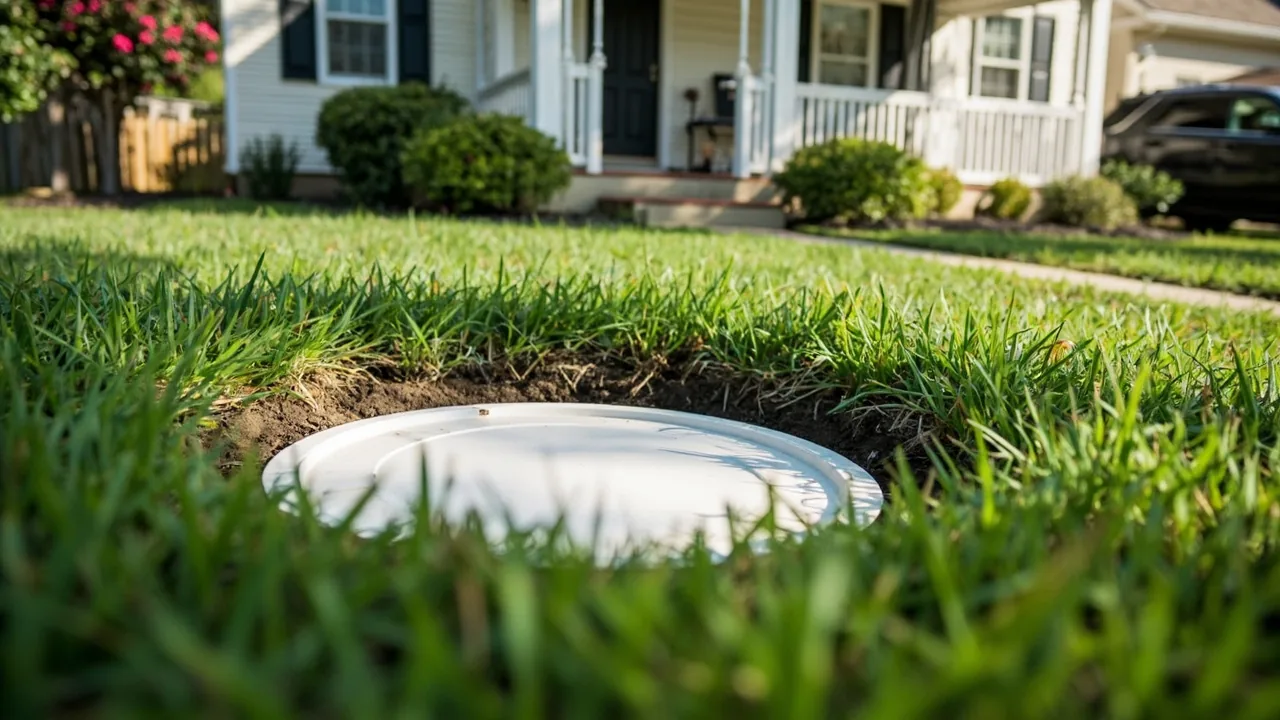 Professional septic services
Understanding Drain Field Options
The drain field, also called the leach field or absorption field, is a critical component of any septic system. It's where the effluent from your septic tank receives final treatment before returning to the groundwater. Two common drain field options are traditional gravel trench systems and modern chamber systems. Understanding the differences helps you make informed decisions about your septic system.
Both systems serve the same fundamental purpose—distributing effluent over a large area so soil can treat it—but they achieve this in different ways. The choice between them depends on site conditions, cost considerations, and local code requirements.
Traditional Gravel Trench Systems
Gravel trench systems have been the standard for decades. They use layers of gravel and perforated pipe to distribute effluent into the surrounding soil.
How Gravel Trench Systems Work
Effluent flows from the septic tank through the distribution box and into perforated pipes running through gravel-filled trenches. The gravel provides a void space for effluent to collect and slowly percolate into the surrounding soil. The large surface area of the gravel allows for even distribution and prevents channeling.
Components
- Distribution box or header
- Perforated distribution pipes
- Clean gravel (typically 3/4 to 1 1/2 inch)
- Geotextile fabric (often used)
- Backfill soil
Installation Process
Gravel trench installation involves:
- Excavating trenches to appropriate depth and width
- Installing distribution pipes on gravel bed
- Adding gravel around and above pipes
- Covering with fabric and backfill
- Grading and final restoration
Trench Sizing
Trench dimensions depend on soil percolation rate and daily flow. Standard trenches are typically 12-36 inches wide and 24-48 inches deep. Total trench length is calculated based on the system's required absorption area.
Chamber Septic Systems
Chamber systems are a modern alternative to gravel trenches. They use preformed, arched chambers instead of gravel to create the distribution area.
How Chamber Systems Work
Chamber systems work similarly to gravel trenches but use chamber units that create a void space for effluent storage and distribution. The arched chambers are connected in series, allowing effluent to flow through the entire chamber length and percolate into the soil through the chamber walls and bottom.
Components
- Distribution header
- Chamber units (拱形 chambers)
- End caps and connections
- Backfill material
Installation Process
Chamber installation involves:
- Excavating trenches to appropriate dimensions
- Connecting chambers in series
- Attaching to distribution header
- Covering with backfill soil
- Grading and restoration
Chamber Sizing
Chambers are typically sold in linear foot sections. Required chamber length is calculated similarly to trench length, based on soil percolation rate and daily flow requirements.
Side-by-Side Comparison
| Factor | Gravel Trench | Chamber System |
|---|---|---|
| Installation Cost | Lower material cost | Lower labor cost |
| Material | Gravel, pipe, fabric | Preformed chambers |
| Installation Time | More labor-intensive | Quicker installation |
| Weight Capacity | Good | Excellent |
| Freeze Protection | Good | Good |
| Availability | Widely available | Widely available |
| Lifespan | 20-30+ years | 20-30+ years |
Performance Comparison
Both systems can provide excellent performance when properly installed. Key performance factors include:
Effluent Distribution
Both systems distribute effluent effectively. Gravel systems rely on the gravel matrix, while chambers use the internal void space. Both provide adequate distribution area for soil treatment.
Soil Interaction
Both systems allow effluent to contact surrounding soil for treatment. Gravel systems may have slightly more soil contact due to the smaller gravel particles, but chamber systems are considered equivalent in treatment effectiveness.
Loading Rate
Both systems can handle the same loading rates when properly sized. The percolation rate of your soil, not the distribution system type, determines the required absorption area.
Installation Considerations
Gravel Trench Installation Factors
- Requires delivery and placement of significant gravel volume
- More excavation volume needed
- Longer installation time
- Requires proper gravel gradation
- Fabric placement important
Chamber System Installation Factors
- Chambers delivered on pallets, easier to handle
- Less excavation in some cases
- Quicker installation time
- No gravel needed
- Requires proper connection and alignment
Cost Comparison
Cost differences vary by region and site conditions. In general:
- Gravel trench: Lower material cost, higher labor cost
- Chamber system: Higher material cost, lower labor cost
Total costs are often similar. The choice may come down to contractor preference and availability.
Advantages of Each System
Gravel Trench Advantages
- Long history of proven performance
- Widely understood by contractors
- Lower material cost in some areas
- Can use local gravel sources
- Flexibility in sizing
Chamber System Advantages
- Faster installation
- No gravel required (saves on material transport)
- Better weight distribution (resists crushing)
- Easier handling and placement
- Often approved where gravel not available
- Smaller footprint possible in some cases
Maintenance Requirements
Both gravel trench and chamber systems require similar maintenance:
Regular Pumping
Both systems require pumping the septic tank every 3-5 years. The distribution system itself doesn't require routine maintenance if the tank is properly maintained.
Avoiding Damage
- Don't drive or park vehicles over the drain field
- Don't build structures on the drain field
- Don't plant trees or deep-rooted plants
- Don't direct surface water onto the area
Long-Term Performance
Both systems can last 20-30 years or more with proper maintenance. The limiting factor is usually the septic tank and soil conditions rather than the distribution system type.
Fort Mill-Specific Considerations
Fort Mill homeowners should consider local factors when choosing drain field systems.
Soil Conditions
Fort Mill's clay soils have slow percolation rates, which affects drain field sizing but not the choice between gravel and chamber systems. Both can work in clay soils when properly sized.
Contractor Availability
Both systems are commonly installed in the Fort Mill area. Discuss options with your contractor to determine which is best for your specific site.
Code Requirements
York County and South Carolina DHEC approve both systems. Your permit will specify the approved system type based on your site evaluation.
Frequently Asked Questions
Can I convert from gravel trench to chamber system?
Yes, conversion is possible but usually not necessary if the existing system is working well. Conversion might be considered if the gravel system is failing and replacement is needed.
Do chamber systems work in freezing weather?
Yes. Both systems are installed below the frost line and work effectively in cold climates. Proper installation depth is important in any climate.
Which system is better for clay soil?
Both systems work in clay soil when properly sized. The key factor is sizing based on percolation rate, not the distribution system type.
How long do these drain field systems last?
Both gravel trench and chamber systems can last 20-30+ years with proper tank maintenance. The soil conditions and usage patterns affect actual lifespan.
Related Resources
Quick answer for drain-field layout
Quick answer: Gravel trench and chamber drain fields can both work in Fort Mill when the soil, slope, and permitted design match the site. Gravel trenches are traditional and widely understood; chamber systems can reduce hauled stone and may fit some layouts more efficiently, but final design depends on soil evaluation and county approval.
Compare these factors
- Available field area, slope, setbacks, tree roots, and driveway/structure conflicts.
- Soil absorption, seasonal wetness, and whether old field lines are failing.
- Installation access, restoration needs, and future serviceability.
Estimate request checklist
- Tell us whether this is new construction, replacement, or a failing field.
- Include photos of wet areas, surfacing effluent, cleanouts, or distribution box access.
- Share any permit, soil report, or prior repair paperwork you have.
Can a chamber system fix a failed drain field?
Sometimes, but not automatically. The cause of failure, available reserve area, soil capacity, and permitting rules determine the repair path.
Does gravel or chamber cost less?
Costs vary by excavation, material availability, field size, access, and restoration. The best estimate comes after checking the site constraints and design requirements.
Make septic repair requests contractor-readable
For faster septic help, include tank location, backup timing, alarm status, drain symptoms, soggy yard photos, service records, and whether the property is near Lake Wylie, Tega Cay, or Fort Mill.
Fast lead tip: Use the estimate form on this page and send the details a contractor would need to price the job without a long back-and-forth.
Quote-ready triage for septic system repair/replacement lead
Quick answer: This page was refreshed to turn gravel trench vs chamber system and drain-field repair impressions into better local quote requests. If you are in Fort Mill, SC, send the specific symptom, photos, timing, access notes, and the result you need so the request can be routed to the right repair path.
The goal is not more page count. This refresh tightens the title, meta description, H1, direct answer, and internal link path on a page that already has search visibility but needs stronger click and lead intent.
Fast quote path for Septic Chamber System in Fort Mill, SC
Quick answer: If you searched for septic chamber system around Fort Mill, use this page to send symptoms, wet-yard photos, fixture backup details, odor, last pump date, system type, tank/cleanout location, inspection deadline, ZIP code, and access constraints so the request is clear enough for quote routing.
Why this page was selected: GSC shows 3 impressions, 0 clicks, and best average position 58.0 for this cluster. The factory prioritizes near-click, commercial-intent pages before creating more low-signal content.
Urgency signals: Move faster when sewage backs up, several fixtures drain slowly, a yard stays wet or smells, alarms sound, pumping did not solve it, or a sale/inspection deadline is pending.
What to send first: symptoms, wet-yard photos, fixture backup details, odor, last pump date, system type, tank/cleanout location, inspection deadline, ZIP code, and access constraints.
How this helps the homeowner: instead of asking a contractor to diagnose a vague problem, the page turns the search into a structured request: location, symptoms, safe photos, timing, access, and the decision the owner needs made. That makes the lead easier to answer and easier to sell later.
How this helps the portfolio: the page targets one intent cluster, links from the homepage, keeps a clean canonical URL, uses form-first routing, and avoids thin duplicate claims. The factory only adds or refreshes pages when GSC shows evidence of impressions or a near-click pocket.
Call path: no tracking number has been approved yet, so this page keeps the form-first route instead of publishing a fake phone CTA.
Related query cluster
- chamber system septic — 1 impressions / avg pos 58.0
- septic chamber system — 2 impressions / avg pos 63.5
Claim-safety note: this page does not claim licensing, insurance coverage, reviews, guaranteed dispatch, or that a contractor has accepted the job. It exists to capture better quote-request details and route the lead.
Before you request help
This page is built for a homeowner or property manager who needs a clearer next step, not a generic article. The fastest useful request includes where the property is, what changed, what has already been tried, whether there is an inspection or closing deadline, and what photos can be safely shared.
For Fort Mill, SC searches, the goal is to separate urgent problems from comparison shopping. If the issue affects safety, access, active water, sewage, storm damage, or a real estate deadline, say that first. If you are comparing repair choices, include what options you are considering so the request can be routed properly.
Good first-message checklist
- Property city/ZIP and best callback number.
- Two or three safe photos from different angles.
- When the issue started and whether it is getting worse.
- Access notes, pets/gates/tenants, and timing constraints.
- Any inspection, HOA, insurance, or sale deadline.
Request a Septic Estimate
Tell us what is happening, where the property is, and how soon you need help. The goal is a complete, contractor-readable request — not a generic contact form.