Homeowner Education
How Septic Systems Work in Fort Mill, SC
Understanding your septic system is the first step to protecting your investment and avoiding costly repairs. This guide explains the complete wastewater treatment process for Fort Mill homes.
- Complete system breakdown
- Fort Mill soil and climate considerations
- Maintenance fundamentals
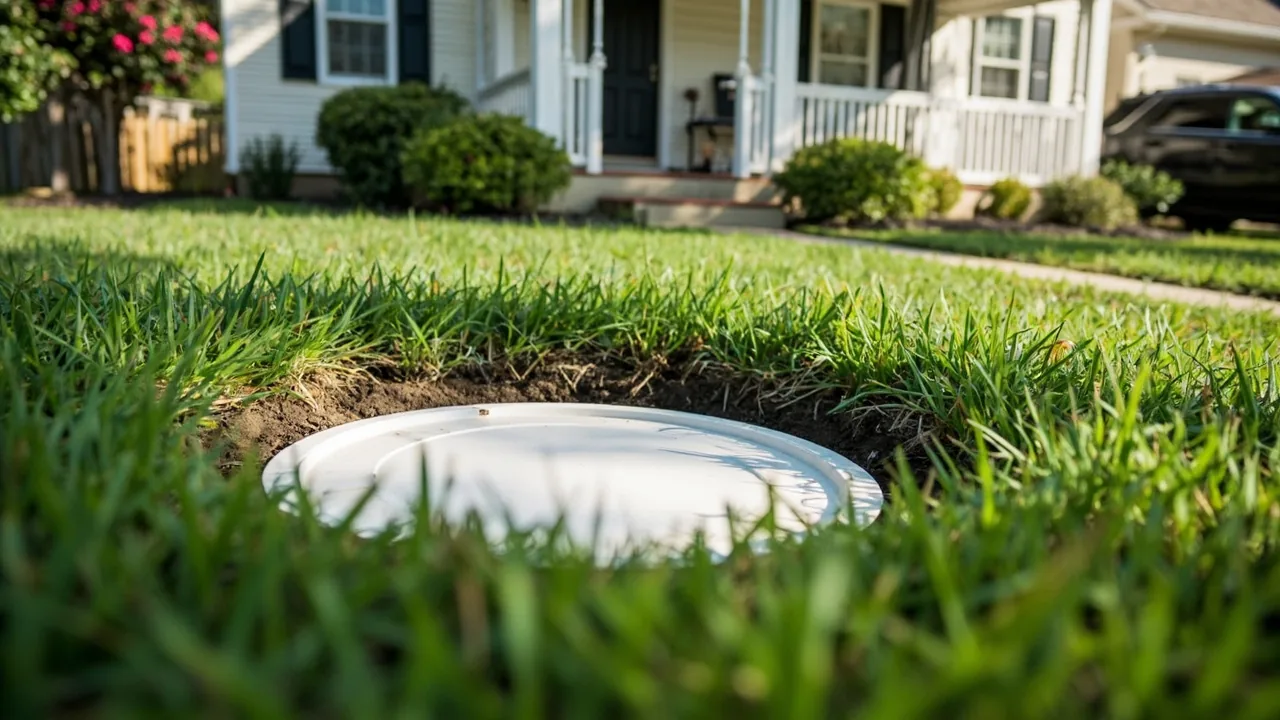 Typical residential septic system layout
Understanding Your Septic System
A septic system is an underground wastewater treatment system commonly used in Fort Mill and throughout Lancaster County where municipal sewer service is not available. These systems treat and dispose of all the water from your home—from toilets, showers, sinks, and appliances—right in your own yard.
The average Fort Mill home with a septic system processes between 300 and 500 gallons of wastewater every day. Understanding how this process works helps you recognize problems early, maintain your system properly, and make informed decisions about repairs or upgrades.
The Septic Tank: Your First Stage Treatment
The septic tank is typically a large concrete, fiberglass, or polyethylene container buried underground, usually 4 to 8 feet deep. It holds between 1,000 and 2,000 gallons, depending on your home's size. All wastewater from your home flows into this tank through the inlet pipe.
Inside the tank, a natural biological process begins. Wastewater separates into three distinct layers:
- Scum layer: Light materials like grease, oil, and floatable solids rise to the top, forming a layer that can be several inches thick.
- Clear effluent: The middle layer consists of partially treated wastewater that is relatively clear and flows toward the outlet.
- Sludge layer: Heavy solids settle to the bottom of the tank, forming a layer of sludge that accumulates over time.
Bacteria naturally present in the wastewater begin breaking down the solids, but this process is slow. The sludge at the bottom of the tank gradually builds up and must be removed through regular pumping.
The Drain Field: Final Treatment and Dispersal
After wastewater exits the septic tank through the outlet pipe, it flows into the drain field (also called the leach field or absorption field). This is where the final treatment and dispersal occur.
The drain field consists of a series of underground pipes with small openings, laid in gravel or stone trenches. These pipes distribute the effluent slowly into the surrounding soil. As the wastewater percolates through the soil, harmful bacteria, viruses, and nutrients are filtered out and absorbed. This natural filtration process purifies the water before it rejoins the groundwater table.
In Fort Mill, drain fields are typically installed at a depth of 6 to 36 inches below the surface, depending on soil conditions and local regulations. The size of your drain field depends on your home's bedroom count, soil type, and expected water usage.
Fort Mill Soil and Climate Considerations
Understanding how your septic system interacts with local conditions is essential for proper maintenance. Fort Mill sits in the Piedmont region of South Carolina, characterized by clay-heavy soils that drain more slowly than sandy soils found in coastal areas.
Clay soil challenges: The dense clay soil common in Fort Mill and York County can slow down effluent absorption in the drain field. This means drain fields in our area may require more space or special design considerations to function properly. Clay soils also mean that compacted or saturated ground takes longer to absorb water, making it especially important to avoid driving or placing heavy loads over your drain field.
Seasonal variations: Fort Mill experiences hot, humid summers and mild winters. Summer rains can saturate the ground and stress your drain field, while winter dormancy slows bacterial activity in the tank. Understanding these cycles helps you plan maintenance timing appropriately.
Tree roots: The lush vegetation in Fort Mill can pose a threat to septic systems. Tree roots are attracted to the moisture and nutrients in septic lines and can infiltrate pipes, causing blockages or damage. Avoid planting trees or deep-rooted shrubs near your septic tank or drain field.
Key Components of Your Septic System
A complete septic system includes several components that work together to treat your wastewater:
- Inlet pipe: Carries all wastewater from your home into the septic tank.
- Septic tank: The primary treatment chamber where solids settle and begin breaking down.
- Baffles: These devices inside the tank prevent sludge and scum from flowing directly into the drain field, protecting the outlet.
- Distribution box: Evenly distributes effluent among multiple drain field lines.
- Distribution pipes: Perforated pipes that carry effluent from the tank or distribution box to the drain field trenches.
- Drain field trenches: Gravel-filled trenches where final soil filtration occurs.
- Soil: The final filtration medium that removes pathogens and nutrients before water returns to groundwater.
Each component plays a vital role in the treatment process, and failure of any part can compromise the entire system.
What Your Septic System Needs From You
Your septic system requires regular maintenance to function properly. Unlike city sewer systems where the utility handles everything, septic system owners are responsible for their own wastewater treatment. Here is what every Fort Mill homeowner should know:
Regular pumping: Septic tanks should be pumped every 3 to 5 years, depending on household size, tank size, and usage habits. In Fort Mill, where many homes have larger lots and families, pumping frequency may vary. A family of four with a 1,000-gallon tank should pump every 3-4 years, while a couple in a smaller home might go 5 years.
Water conservation: Excessive water use can overwhelm your system. Fix leaky faucets, install low-flow fixtures, and spread out laundry loads throughout the week rather than doing everything in one day.
Proper disposal: Never flush anything other than human waste and toilet paper. Grease, cooking oils, wipes (even "flushable" ones), feminine products, coffee grounds, and medications can clog your system or kill the beneficial bacteria.
Protecting the drain field: Keep vehicles, heavy equipment, and structures off the drain field. Do not plant trees or install pools nearby. Ensure downspouts and surface water drain away from the system.
Common Questions About Septic Systems
How long does a septic system last in Fort Mill?
With proper maintenance, a septic system can last 25-40 years. The tank itself may last longer, but drain fields typically need attention after 20-30 years depending on usage and soil conditions.
Can I use a garbage disposal with my septic system?
Yes, but it increases the solids load in your tank, requiring more frequent pumping. Many Fort Mill septic professionals recommend limiting garbage disposal use or pumping every 2-3 years if you use one heavily.
What happens if I don't pump my septic tank?
Without regular pumping, solids accumulate and eventually flow into the drain field, causing clogging and failure. A failed drain field is expensive to repair or replace, often costing $10,000 or more.
How do I know if my septic system is working properly?
Signs of a healthy system include no odors, no slow drains, no wet or soggy areas around the drain field, and clear water in the tank inspection ports. Annual inspections can catch problems early.
Related Resources
Quick answer for how Fort Mill septic systems fail
Quick answer: A Fort Mill septic system works by separating solids in the tank, sending liquid effluent to the distribution box and drain field, then relying on soil treatment. Homeowners usually need help when slow drains, sewage odor, wet drain-field soil, gurgling fixtures, or repeated backups show the tank or field is no longer moving wastewater correctly.
Local warning signs
- Slow drains across multiple fixtures instead of one isolated clog.
- Sewage odor near the tank, lids, cleanout, or drain-field area.
- Wet, unusually green, or soft grass over the field during normal weather.
What to include in the estimate request
- Where the tank and drain field appear to sit on the lot.
- Last pump date, household size, and whether backups happen after laundry/showers.
- Photos of lids, risers, standing water, alarm panels, or cleanouts.
Cost and repair decision factors
- Older tanks and unrecorded additions can change the right repair path.
- Heavy clay, slope, and saturated York/Lancaster County soils can affect field performance.
- A clogged line, full tank, pump issue, or failing drain field can look similar without inspection.
Methodology: this is an educational Fort Mill septic planning guide. Exact scope and pricing require a qualified on-site inspection, safe access to system components, and review of local site conditions.
Is a septic backup always a drain-field failure?
No. Backups can come from a full tank, clogged inlet or outlet, blocked line, failed pump, crushed pipe, or saturated drain field. The visible symptom is similar, so the estimate request should describe timing, fixtures affected, odors, and yard conditions.
What should I do before requesting septic repair help?
Limit water use, avoid opening tank lids yourself, note whether the issue is inside drains or outside soil, collect the last pump date if available, and take photos from a safe distance.
Request a Septic Estimate
Tell us what is happening, where the property is, and how soon you need help. The goal is a complete, contractor-readable request — not a generic contact form.