Seasonal Guide
Septic Summer Usage Tips for Fort Mill, SC
Protect your septic system during Fort Mill's hot summer months. Learn essential tips for managing increased water usage and preventing costly problems.
- Manage peak summer water usage
- Handle summer guests and gatherings
- Prevent heat-related system issues
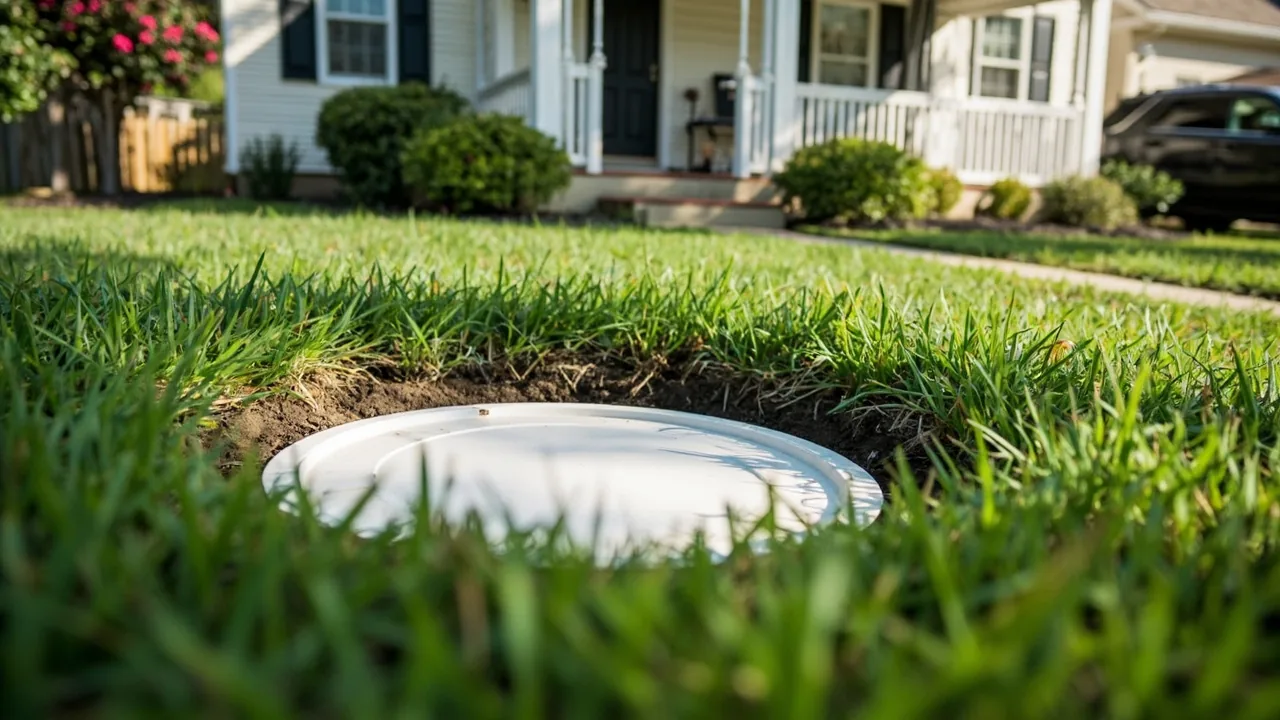 Summer requires extra attention to your septic system
Why Summer Is Critical for Septic Systems
Summer is the most demanding season for septic systems in Fort Mill. Multiple factors combine to stress your system: increased water usage from showers and laundry, outdoor activities, summer guests, lawn watering, and higher temperatures that can accelerate bacterial activity—but not always in beneficial ways.
The average household water usage increases 30-50% in summer. More people home during school vacations, more outdoor water use, and more laundry from active summer activities all add up. Your septic system was designed to handle a certain load, and summer can push it beyond that capacity.
Additionally, summer thunderstorms in Fort Mill can saturate drain fields just when they're already working hard from increased usage. The combination of high water input and reduced drainage capacity is a leading cause of summer septic problems.
Summer Water Conservation Tips
Conserving water is the most effective way to protect your septic system during high-demand months:
Space Out Water-Intensive Activities
Avoid running multiple loads of laundry, dishes, and showers simultaneously. Spread these activities throughout the day to give your septic system time to process wastewater properly. Running dishwashers and washing machines at the same time can overwhelm even healthy systems.
Fix Leaks Immediately
A leaking toilet can waste 200+ gallons per day, and a dripping faucet adds hundreds more. Before summer, check all fixtures and repair any leaks. This simple step can significantly reduce the load on your septic system.
Take Shorter Showers
Summer means more showers—after outdoor activities, swimming, or simply dealing with heat. Encourage family members to take shorter showers. Consider installing low-flow showerheads to reduce water usage without sacrificing comfort.
Run Full Loads Only
Whether dishes or laundry, always run full loads. Partial loads waste water and send more water than necessary to your septic system. If you must run partial loads, use the appropriate water-level setting.
Managing Summer Guests and Gatherings
Summer means family visits, Fourth of July parties, and weekend guests—all increasing the load on your septic system:
Prepare Before Guests Arrive
If you know guests are coming, pump your septic tank a week or two before if it's been more than three years since the last pumping. This gives your system extra capacity for the increased usage. Also, test all drains to ensure everything is working properly.
Communicate with Guests
Let guests know what can and cannot go down the drains. A quick reminder about not flushing wipes, not pouring grease, and using water wisely can prevent problems. Consider posting a small sign in the bathroom as a friendly reminder.
Space Out Shower Use
If you have multiple guests, stagger shower times rather than everyone showering in quick succession. This prevents water surges that can overwhelm your system and gives the tank time to process the increased volume.
Consider Extra Bathroom Use
If possible, allow guests to use multiple bathrooms rather than concentrating all use in one. This distributes the water load and reduces stress on any single drain line.
Outdoor Water Use and Septic Systems
Summer outdoor activities can impact your septic system:
Lawn Watering
If you water your lawn, avoid directing sprinkler runoff toward your drain field. Saturated drain fields cannot accept additional water, and overwatering your lawn can translate to septic system problems. Water in the early morning to reduce evaporation and allow time for absorption.
Pool and Hot Tub Drainage
Never drain pool or hot tub water into your septic system. The volume of water and chlorine or chemicals can overwhelm your tank and kill beneficial bacteria. Drain pools and hot tubs to appropriate locations away from your septic system.
Outdoor Showers and Spigots
If you have an outdoor shower or use outdoor spigots frequently, ensure the water drains away from your septic system. Water that pools near the tank or drain field can cause problems.
Car Washing
When washing cars in the driveway, try to minimize water running toward your septic system area. Park on a slope that directs water away from the tank and drain field, or use a self-service car wash where water goes to municipal drains.
Heat-Related Septic System Considerations
Fort Mill summers bring heat and humidity that affect your septic system:
Bacterial Activity
Warm temperatures accelerate bacterial activity in your septic tank, which is generally good for waste breakdown. However, this also means solids break down faster and accumulate more quickly. If your system is older or hasn't been pumped recently, summer is a critical time to monitor.
Evaporation and Moisture
High heat increases evaporation, which can concentrate solids in your tank. At the same time, summer thunderstorms can saturate drain fields. This combination of concentrated tank contents and saturated drainage area creates challenging conditions.
Odor Control
Heat can intensify septic odors. If you notice stronger than usual smells, it could indicate problems. Check for full tanks, damaged lids, or drain field issues. Keep tank lids closed and ensure vents are working properly.
Grass and Vegetation
Summer is peak growing season for grass and vegetation over your drain field. While healthy grass is good, unusually lush or fast-growing areas can indicate excess moisture from system problems. Monitor your drain field and note any changes.
Preventive Measures for Summer
Take these steps to prevent summer septic problems:
Schedule Mid-Summer Inspection
If you didn't have a spring inspection, schedule one before summer usage peaks. A professional can identify potential problems and recommend maintenance before they become emergencies.
Know Your System's Limits
Understand how much water your system can handle. If you're hosting a large gathering, plan accordingly—consider having guests use facilities at different times, or rent a portable toilet for large events.
Keep Records
Track when your tank was last pumped, any repairs made, and any unusual observations. This information helps professionals diagnose problems and plan maintenance.
Watch for Warning Signs
During high-usage summer months, be especially vigilant for signs of trouble: slow drains, gurgling pipes, odors, wet areas in the yard, and toilet problems. Catching issues early prevents more serious problems.
Things to Avoid This Summer
Don't Overload the System
Avoid running multiple high-water-usage activities simultaneously. Doing three loads of laundry, running the dishwasher, and everyone showering at the same time can overwhelm even a healthy system.
Don't Ignore Problems
If you notice slow drains or other issues, don't wait. Summer conditions often cause small problems to become big ones quickly. Call a professional at the first sign of trouble.
Don't Use Heavy Equipment on the Drain Field
Summer is popular for outdoor projects, but keep heavy equipment, tractors, and vehicles off your drain field. The weight can damage pipes and compact soil needed for drainage.
Don't Plant New Trees Near the System
Tree root growth is most aggressive in summer as trees seek water. Plant new trees at least 50 feet from your drain field to avoid root infiltration problems.
Summer Emergency Preparedness
Summer is storm season in Fort Mill, and storms can cause septic emergencies:
- Know where your septic cleanout access is located
- Keep emergency contact information readily available
- Know how to shut off water to your home if necessary
- Have a plan for where to stay if your system fails during a storm
If your septic system backs up during a summer storm, immediately reduce water usage and call for emergency service. Do not allow wastewater to stand in your home.
Frequently Asked Questions
How much extra water does a typical summer add to septic usage?
Households typically use 30-50% more water in summer. This includes additional showers, laundry from outdoor activities, increased toilet usage, and outdoor water use that may drain to the septic system.
Can hosting summer parties damage my septic system?
Large parties can strain your system, especially if many guests use facilities simultaneously. Prepare by having your tank pumped beforehand, staggering guest usage, and reminding guests about proper drain use.
Should I pump my tank before summer?
If it's been 3-5 years since your last pumping, yes. Pumping before peak summer usage gives your system maximum capacity for the increased demand.
Why do septic problems seem more common in summer?
Multiple factors: increased water usage, more guests, summer storms saturating drain fields, and higher temperatures that can exacerbate existing problems. Summer reveals weaknesses that might go unnoticed in lower-demand seasons.
Related Resources
Quick answer: when should this Fort Mill septic topic become a service request?
Quick answer: If this septic summer usage tips for fort mill, sc question involves sewage backing up, strong septic odor, wet drain-field soil, a tank alarm, failed inspection, property sale timing, a planned addition, or uncertainty about the right system type, capture the details before guessing. Fort Mill-area septic decisions depend on site conditions, county rules, tank history, soil behavior, and access.
- Urgent symptoms: backups, surfacing wastewater, or active alarms should be described with photos and timing.
- Planning questions: permits, additions, new construction, drought, storm, or seasonal usage issues need property-specific context.
- Best next step: submit the request with city/ZIP, last pump date if known, symptoms, timeline, and decision goal.
Request a Fort Mill Septic Estimate
Use this form when a septic question turns into a real repair, pumping, inspection, replacement, drain-field, permit, or planning need. Share the property location, symptoms, timing, and any photos so the request is specific enough for a contractor to evaluate.