When to request help
Ask for a spring check after a wet winter, before listing a home, before adding occupants, or when last pump/inspection records are incomplete.
Seasonal Guide
Inspect your septic system after winter and prepare for peak usage season. Essential spring maintenance tips for Fort Mill homeowners.
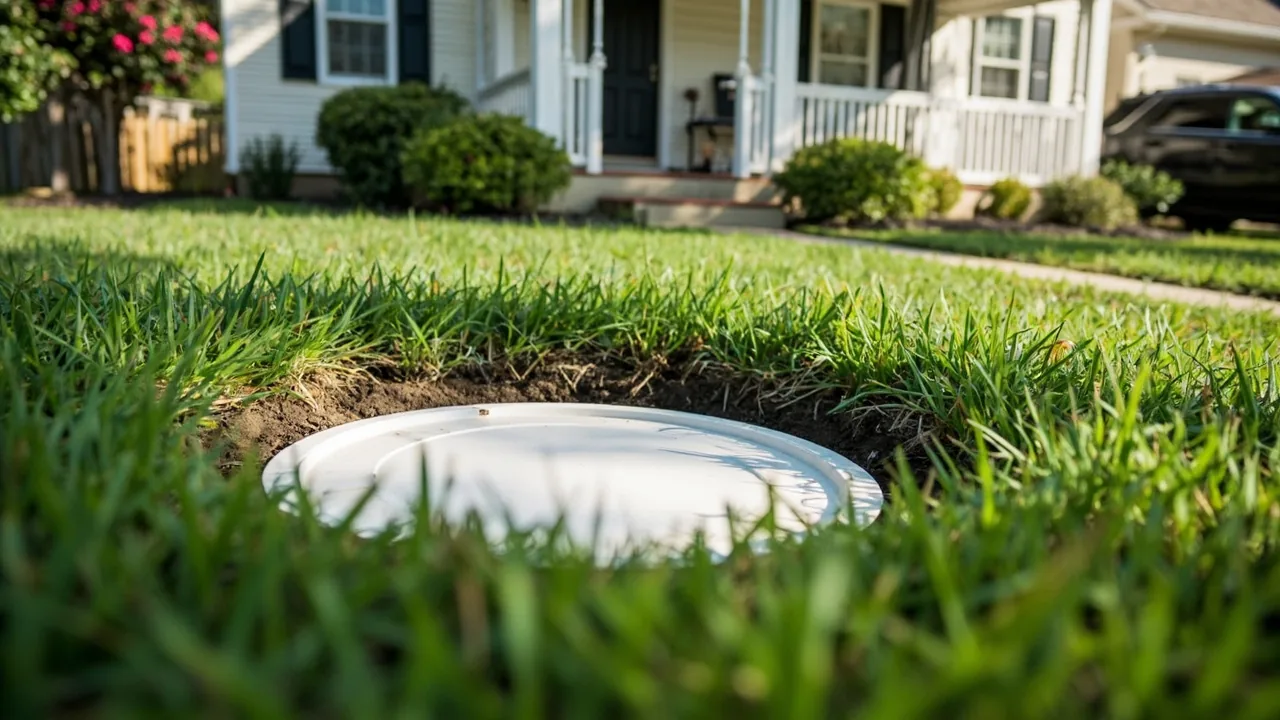 Spring is the ideal time for septic inspection
After months of cold weather, your septic system needs attention to ensure it survived winter intact and is ready for the increased water usage that comes with warmer months. Fort Mill springs bring rain, rising temperatures, and the beginning of peak water usage season—all of which affect your septic system.
Winter can cause hidden damage that doesn't become apparent until spring. Freezing and thawing cycles can shift pipes, crack tank lids, and damage baffles. Spring rains can saturate drain fields, revealing problems that were masked by frozen ground. And as temperatures rise, any existing problems tend to become more noticeable and more problematic.
Spring is also the ideal time for annual inspections because weather conditions are favorable, scheduling is typically easier than in summer months, and any discovered problems can be repaired before the heavy water usage of summer puts additional stress on your system.
Before calling a professional, conduct your own visual inspection of your septic system area:
Walk around your tank access lid and look for signs of settling, cracks, or damage from frost heave. The ground around the tank should be relatively level—if you notice the ground has shifted or sunk, this could indicate a problem. Check that the access lid is secure and not damaged.
Walk over your drain field and look for wet areas, standing water, or unusually lush grass growth. Some moisture is normal, especially after spring rains, but distinct wet spots or areas that never dry out could indicate drain field problems. Look for sinkholes or depressions in the drain field area.
Walk around your property and note any septic odors. Faint odors near the tank can be normal, but strong smells anywhere on your property—particularly near the drain field or inside your home—indicate problems that need attention.
Check that the ground around your septic system slopes away from the tank and drain field. Spring rains should not pool near these areas. Look for erosion channels or areas where water is channeling toward your septic components.
Your indoor plumbing can reveal septic system problems:
Run water in every sink, shower, and bathtub. Watch how quickly the water drains—slow drains can indicate partial clogs in pipes or problems with the septic system accepting wastewater. Listen for gurgling sounds, which can signal venting problems or issues in the septic tank.
Flush each toilet and watch the flush action. Toilets should refill quickly and quietly. If you hear unusual sounds, the toilet runs continuously, or flushing seems weak, investigate further. Check around the base of toilets for any signs of leaking.
After heavy spring rains, check floor drains and the lowest fixtures in your home. Any signs of wastewater backup—water coming up from drains, unusual odors, or wet areas—require immediate attention.
Spring is an excellent time for septic tank pumping for several reasons:
If you didn't pump your tank in fall, spring pumping removes accumulated solids before summer's heavy water usage. Pumping in spring also allows you to start the warm season with a clean tank, giving beneficial bacteria a fresh start. Additionally, spring ground conditions are typically favorable for accessing the tank, and scheduling is often easier than in summer months.
How do you know if you need pumping? If it's been more than three years since your last pumping, if household drains have been slow, or if you notice any odors, it's time to schedule service. Families larger than four people or those with garbage disposals may need more frequent pumping.
As you do your spring cleaning, keep your septic system in mind:
Spring cleaning often involves disposing of paints, solvents, cleaners, and other hazardous materials. Never pour these down your drains—they can kill the beneficial bacteria in your septic tank and contaminate groundwater. Take hazardous materials to proper disposal facilities in Rock Hill or Charlotte.
When cleaning your home this spring, avoid harsh chemical cleaners that can harm your septic system. Vinegar, baking soda, and other natural cleaners are effective and septic-safe. If you must use commercial cleaners, choose products labeled as septic-safe and use them sparingly.
If you have outdoor drains, clean gutters, and ensure downspouts direct water away from your septic system. Spring rains can overwhelm systems if drainage is poor. Clean your gutters and test that water flows away from your home and septic area.
Spring is the time to prepare for summer's higher water demands. In Fort Mill, summer brings more laundry, more showers, and often more house guests—all increasing the load on your septic system.
Inspect all faucets, showerheads, and toilets for leaks. A leaky toilet can waste hundreds of gallons daily, adding unnecessary stress to your septic system. Fix any drips or leaks before summer arrives.
Spring is a good time to install low-flow showerheads, faucet aerators, and dual-flush toilet converters. These upgrades reduce water usage year-round and help your septic system handle summer demands more easily.
If your home has a sump pump, test it in spring to ensure it works properly. Sump pumps can affect septic systems if they're connected, and proper function prevents water from overwhelming your system during heavy rains.
As you begin spring landscaping, keep your septic system in mind:
If you've forgotten the exact location of your tank and drain field, spring is a good time to locate them. Mark the locations so you can avoid these areas when planting, installing fences, or placing outdoor structures.
When planting near your septic system, choose shallow-rooted plants that won't damage pipes. Avoid trees and shrubs with aggressive root systems—plant them at least 50 feet from your drain field. Consider ground covers or grass over the drain field rather than deep-rooted plants.
Do not place heavy equipment, play structures, or vehicles on your drain field. Even in spring, when the ground may be soft, compaction can damage drain lines and reduce the field's effectiveness.
Annual professional inspections are the cornerstone of septic system maintenance. Spring is ideal for several reasons:
A comprehensive inspection includes checking water levels, examining the tank interior through the access port, inspecting inlet and outlet baffles, assessing the drain field, and testing components like pumps and alarms if your system has them.
Local conditions in Fort Mill require some special attention in spring:
York County clay soils drain more slowly than sandy soils, making it especially important to ensure your drain field can handle spring rains. Watch for standing water after storms that doesn't drain within a day or two—this could indicate drainage problems.
Many Fort Mill homes have older septic systems that may have survived winter with hidden damage. If your system is more than 20 years old, consider a more thorough inspection this spring.
Spring in Fort Mill also means pollen and allergens—keep an eye on any drain field vegetation. Healthy grass is good, but excessive plant growth could indicate nutrient issues from system problems.
Ideally, schedule your inspection in March or April once temperatures consistently stay above freezing. This gives you time to identify and repair any winter damage before summer usage increases.
Look for cracked or damaged tank lids, sunken ground around the tank, unusual wet areas in the yard, slow drains, and odors. Any of these could indicate winter-related problems.
Yes, if it's been more than 3-5 years since your last pumping, spring is an excellent time. Even if you pumped in fall, spring pumping gives you a fresh start before summer.
Heavy spring rains can saturate drain fields and overwhelm systems if they're already compromised. However, a well-maintained system should handle normal spring rainfall without problems.
Quick answer: Spring is a smart time in Fort Mill to check septic lids, filters, pumps, alarms, and drain-field condition after winter rain and heavier household use. Maintenance is most urgent when grass over the drain field is unusually wet or bright green, odors appear, drains slow down, or the tank has not been pumped on schedule. A spring check can catch small issues before summer water use and storms stress the system.
Ask for a spring check after a wet winter, before listing a home, before adding occupants, or when last pump/inspection records are incomplete.
Share last pump date, household size, winter symptoms, rain-related wet spots, access notes for tank lids, and whether you want inspection, pumping, or repair evaluation.
Spring maintenance works best when the request includes service history, access notes, and any signs the drain field struggled over winter.
This sampled cleanup adds a truthful WebPage entity so search and AI systems can classify the spring septic maintenance page without changing the lead path or on-page offer.