Seasonal Guide
Septic Fall Maintenance Checklist for Fort Mill, SC
Prepare your septic system for winter with this complete fall maintenance checklist. Essential steps to protect your system during cold months.
- Pre-winter inspection checklist
- Fall pumping and maintenance
- Winterization steps
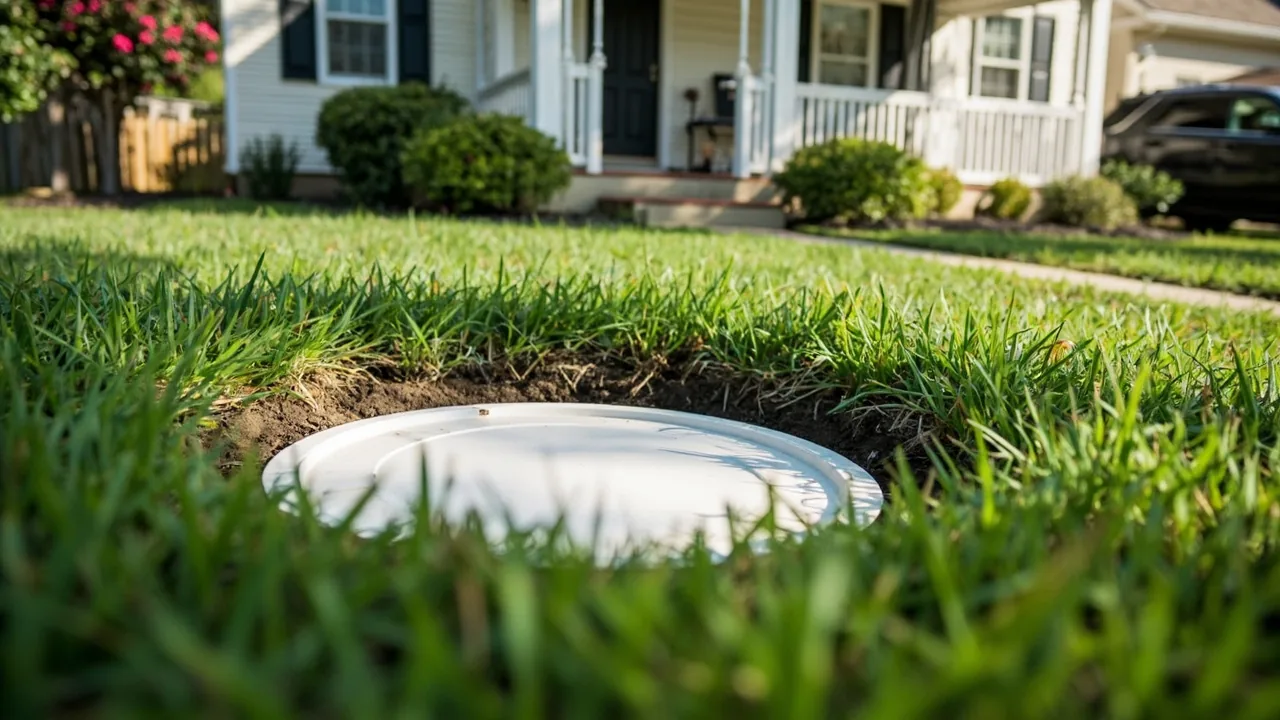 Fall is the time to prepare your septic system for winter
Why Fall Maintenance Is Critical
Fall is the most important season for septic system preparation because it's your last chance to address problems before winter arrives. In Fort Mill, October and November provide ideal conditions for septic maintenance: temperatures are comfortable for outdoor work, ground conditions are typically favorable, and there's time to complete repairs before freezing weather.
During fall, your septic system is transitioning from summer's high-demand usage to winter's challenges. This seasonal change requires attention to ensure your system is ready. Fall maintenance prevents winter emergencies, extends your system's lifespan, and saves money on costly repairs.
Additionally, fall is typically the driest season in Fort Mill, making it easier to access septic components and assess drainage. The ground is firm enough for equipment but not yet frozen, creating optimal conditions for pumping and inspections.
Schedule Fall Septic Pumping
Pumping your septic tank in fall is one of the most important maintenance steps you can take:
Why Pump in Fall
Fall pumping removes accumulated solids before winter, reducing the risk of freezing and ensuring your tank has maximum capacity for winter months. A full tank is more vulnerable to freezing because the wastewater is closer to the cold surface. Pumping in fall gives you peace of mind throughout winter.
When to Schedule
Schedule your pumping in October or early November before ground temperatures drop significantly. This allows time for the ground to be accessible and for any discovered issues to be addressed. Book early—fall is a popular time for septic service.
What to Expect
During pumping, the technician will remove all solids from the tank, inspect the interior for damage, check the inlet and outlet baffles, and assess the overall condition. This is also a good time to have the tank inspected for cracks or other damage.
Fall Inspection Checklist
A thorough fall inspection identifies potential problems before winter:
Tank Inspection
Check the tank exterior and access lid for damage, cracks, or settling. The lid should be secure and level with the ground. Any cracks or damage should be repaired before winter.
Pipe Inspection
Inspect visible pipes for damage, corrosion, or blockages. Check where pipes enter and exit the tank. Look for signs of settling or root intrusion.
Baffle Inspection
The inlet and outlet baffles prevent solids from entering the drain field. Have a professional inspect these components and repair or replace any that are damaged or corroded.
Drain Field Assessment
Walk over your drain field and check for soft spots, wet areas, or unusual vegetation. The drain field should drain properly and show no signs of saturation or failure.
Check Drainage and Grading
Proper drainage is essential for winter preparation:
Ground Grading
Ensure the ground around your septic system slopes away from the tank and drain field. This prevents water from pooling near components during winter rains and snowmelt. Fill any low spots that might collect water.
Gutter and Downspout Maintenance
Clean gutters and ensure downspouts direct water at least 10 feet away from your septic system. Water from gutters can saturate drain fields and cause problems, especially during winter when drainage is slower.
Surface Water Management
Address any areas where surface water tends to collect near your septic system. This might involve re-grading, installing French drains, or other drainage solutions away from the septic area.
Winterization Steps
Prepare your system for cold weather:
Insulate the Tank
If your tank lid is buried less than 12 inches deep, add insulation before winter. Place straw, hay, or foam insulation board over the tank, then cover with a tarp to keep it dry. Do not use plastic sheeting alone, as it can trap moisture.
Protect Pipes
Ensure all septic pipes are buried at least 12 inches deep. If you have shallow pipes or exposed connections, add extra soil coverage or pipe insulation before ground freezes.
Drain Outdoor Lines
Disconnect garden hoses and drain outdoor spigots. Winterize any outdoor water features or fountains that connect to your home's water supply. Frozen pipes can cause backups that affect your septic system.
Fall Yard Work and Septic Systems
As you prepare your yard for winter, keep your septic system in mind:
Tree and Root Management
Inspect trees near your septic system. Tree roots are attracted to moisture and can infiltrate pipes. Remove any trees or large shrubs within 50 feet of your drain field. Have roots professionally removed if they're near but not yet in pipes.
Grass and Vegetation
Keep grass trimmed over your drain field but avoid compacting the soil. Do not remove all vegetation—grass helps with evaporation and soil stability. Remove fallen leaves from over the tank and drain field.
No New Structures
Do not build decks, sheds, patios, or other structures over any part of your septic system. These prevent access for maintenance and can damage components. If you have existing structures near your system, note their locations for future reference.
Indoor Maintenance Before Winter
Fall is a good time to address indoor plumbing:
Fix Leaky Faucets
A leaking faucet during winter adds unnecessary water to your system when it's most vulnerable. Fix all drips before cold weather arrives. Pay special attention to outdoor faucets that might freeze.
Test Toilets
Check toilets for leaks by adding food coloring to the tank. If color appears in the bowl without flushing, the flapper needs replacement. A running toilet can waste hundreds of gallons daily.
Clean Drains
Use enzymatic drain cleaners (not chemical ones) to clean drains before winter. This removes buildup and ensures good flow. Avoid harsh chemicals that can kill beneficial bacteria in your septic tank.
Fall Supplies and Preparation
Gather supplies for winter:
- Keep a plunger and basic drain tools available
- Know where your septic cleanout access is located
- Keep emergency contact information for your septic service provider
- Have a plan for what to do if your system fails in winter
Being prepared reduces stress if problems arise during cold months when service calls may take longer to schedule.
Schedule Professional Fall Service
Consider these professional services in fall:
Annual inspection by a qualified technician can identify issues you'd miss. Professional pumping removes solids completely and allows thorough component inspection. If your system has a pump or alarm, have it tested before winter.
Any repairs discovered during fall inspection should be completed before winter. Waiting until spring often means more extensive damage and higher repair costs.
Frequently Asked Questions
Should I pump my septic tank in fall or wait until spring?
Fall is generally better for pumping because it removes solids before winter when they're more likely to cause problems. A full tank is more susceptible to freezing, and pumping gives you maximum capacity for winter months.
How do I know if my tank needs pumping?
If it's been more than three years since your last pumping, if you notice slow drains or odors, or if the tank has never been pumped, schedule service. A professional can assess whether pumping is needed.
What should I do if I find a problem during fall inspection?
Schedule repairs immediately. Small problems become big problems over winter. Most issues discovered in fall can be repaired before cold weather arrives.
Can I do fall maintenance myself?Some tasks, like checking grading and cleaning gutters, are DIY. However, pumping and inspections should be done by professionals who have the equipment and expertise to identify problems.
Related Resources
Quick answer: when should this Fort Mill septic topic become a service request?
Quick answer: If this septic fall maintenance checklist for fort mill, sc question involves sewage backing up, strong septic odor, wet drain-field soil, a tank alarm, failed inspection, property sale timing, a planned addition, or uncertainty about the right system type, capture the details before guessing. Fort Mill-area septic decisions depend on site conditions, county rules, tank history, soil behavior, and access.
- Urgent symptoms: backups, surfacing wastewater, or active alarms should be described with photos and timing.
- Planning questions: permits, additions, new construction, drought, storm, or seasonal usage issues need property-specific context.
- Best next step: submit the request with city/ZIP, last pump date if known, symptoms, timeline, and decision goal.
Request a Fort Mill Septic Estimate
Use this form when a septic question turns into a real repair, pumping, inspection, replacement, drain-field, permit, or planning need. Share the property location, symptoms, timing, and any photos so the request is specific enough for a contractor to evaluate.