Home Addition
Septic Systems for Home Additions in Fort Mill, SC
Adding to your home? Learn when septic system upgrades are needed and what the process involves in Fort Mill, SC.
- When upgrade is required
- System evaluation process
- Upgrade options and costs
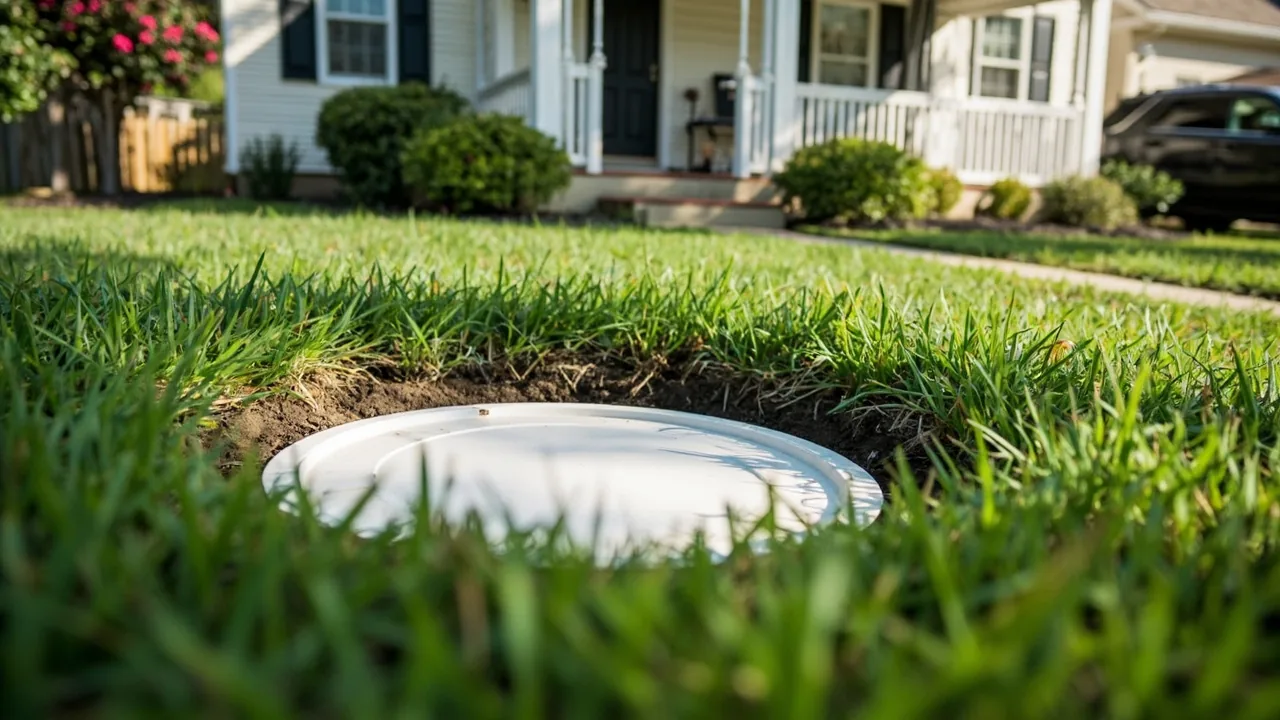 Professional septic services
Understanding Septic Requirements for Home Additions
When you add a bedroom, bathroom, or other living space to your home, you're increasing the demand on your septic system. Many homeowners don't realize that adding square footage often requires upgrading the septic system to handle the additional wastewater. Understanding these requirements helps you plan your renovation budget and avoid surprises.
In Fort Mill and throughout York County, building permits for home additions require septic system approval. Even if your current system appears to handle the extra load, it may not meet code requirements for the expanded home.
When Septic Upgrade Is Required
Not every home addition requires septic system changes. Understanding when upgrades are needed helps you plan appropriately.
Adding Bedrooms
Adding a bedroom is the most common trigger for septic upgrade requirements. Septic systems are sized based on bedroom count, and each additional bedroom increases the system's required capacity by approximately 120-150 gallons per day. A typical three-bedroom system won't handle a four-bedroom home's needs without modification.
Adding Bathrooms
Adding a full bathroom significantly increases water usage and waste volume. Even a half-bath adds considerable load to the system. Multiple bathrooms being added simultaneously almost always require system upgrades.
Adding Significant Living Space
Adding a large family room, home office, or other living space that includes plumbing fixtures (sinks, toilets, etc.) increases system demand. Even a laundry room addition can push a system beyond its designed capacity.
When Upgrade May Not Be Needed
Minor additions that don't include plumbing may not require septic changes. Adding a covered porch, deck, or garage typically doesn't affect septic capacity. However, always check with York County building officials to confirm whether your specific project triggers septic requirements.
Evaluating Your Current System
Before planning your addition, have your current septic system evaluated by a licensed professional. This evaluation determines whether your existing system can handle increased demand.
System Capacity Assessment
A professional can determine your current system's designed capacity and compare it to your projected needs after the addition. This involves checking tank size, drain field capacity, and overall system condition.
Soil Evaluation
Your drain field's ability to handle additional effluent depends on soil conditions. A percolation test may be needed to confirm your soil can absorb the extra wastewater from an expanded household.
System Condition
If your current system is already struggling, adding more demand will likely cause failure. The evaluation should assess whether the system is in good condition or nearing the end of its lifespan.
Code Compliance
Older systems may not meet current code requirements. Even if an older system seems to work fine, it might not be sized for current standards, which could trigger upgrade requirements when you add to your home.
Septic System Upgrade Options
Depending on your specific situation, several upgrade options may be available.
Tank Upgrade
Simply upgrading to a larger tank can sometimes accommodate additional capacity. This is often the most straightforward solution if your drain field has remaining capacity. Tank upgrades typically cost $3,000-$7,000 including installation.
Drain Field Expansion
If the tank has adequate capacity but the drain field is undersized, adding additional drain field area may solve the problem. This requires available space on your property and may involve installing additional lines or a new drain field area.
Complete System Replacement
If the existing system is old or inadequate, complete replacement with a properly sized system may be the best solution. This is more expensive but provides a new, warrantied system sized for your expanded needs.
Alternative Systems
Some situations require alternative septic technologies such as aerobic treatment units. These systems treat wastewater to a higher standard, allowing for smaller drain fields. They're particularly useful when space is limited or soil conditions are challenging.
Combination Upgrades
Often, a combination of upgrades works best. This might include a larger tank plus expanded drain field, or complete replacement with a modern alternative system.
Permit Requirements for Septic Upgrades
Any septic modification for a home addition requires permits from York County Environmental Health.
Permit Application Process
The upgrade permit application typically includes:
- Current system inspection report
- Proposed addition plans showing location and plumbing
- Site plan showing current system and available space
- Soil evaluation if required
- Proposed upgrade plans
Inspection Requirements
The upgraded system must pass inspection before the addition can receive final occupancy approval. This ensures the system meets all current codes and can handle the additional demand.
Timing
Permit processing typically takes 2-4 weeks. Plan for this timeline when scheduling your home addition project. The upgrade work should be completed before final building inspection for the addition.
Cost Considerations for Septic Upgrades
Septic upgrades for home additions represent a significant but often necessary investment.
Cost Factors
- Tank upgrade: $3,000-$7,000
- Drain field expansion: $3,000-$8,000
- Complete system replacement: $10,000-$20,000
- Alternative system: $15,000-$30,000
Additional Costs
- Permit fees: $300-$800
- Site evaluation: $200-$500
- Engineering if required: $500-$2,000
- Connection to existing plumbing: varies
Return on Investment
While septic upgrades add to your renovation costs, they ensure your system can handle your household's needs. A properly sized system also protects your property value and prevents costly repairs from system overload.
Planning Tips for Home Additions
Successfully handling septic requirements for home additions requires planning.
Start Early
Begin the septic evaluation process before finalizing your addition plans. Knowing what septic upgrades are needed helps you budget and may influence your design decisions.
Coordinate with Builder
Your septic contractor should coordinate with your general contractor to ensure proper sequencing. Septic work typically needs to be completed before final grading.
Consider Future Needs
If you're adding one bedroom now but might add more later, consider sizing the upgrade to accommodate future expansion. This can save money compared to upgrading twice.
Explore All Options
Sometimes creative solutions can reduce costs. Adding a bedroom but removing one (such as converting a bedroom to other uses) might allow a smaller upgrade than expected.
Fort Mill-Specific Considerations
Fort Mill homeowners face specific considerations when upgrading septic systems for home additions.
Soil Conditions
Fort Mill's clay soils drain slowly, which may require larger drain fields or alternative systems. This affects upgrade costs and may limit available options if space is limited.
Available Space
Many older Fort Mill homes were built on smaller lots that may have limited space for drain field expansion. If you lack space for conventional upgrades, alternative systems may be required.
Growth Impact
Fort Mill's rapid development has increased scrutiny of septic systems. Upgrades may face more stringent requirements than in the past, so working with experienced local professionals is important.
Frequently Asked Questions
Does adding a bathroom always require septic upgrade?
Not always, but often yes. A full bathroom adds significant wastewater load. A professional evaluation can determine whether your current system can handle the additional demand.
Can I add a bedroom without upgrading my septic system?
Probably not. Bedroom count is the primary factor in septic sizing. Adding a bedroom typically requires proving the existing system has adequate capacity, which is rare for older systems.
How long does septic upgrade for home addition take?
From evaluation to final inspection, plan for 4-8 weeks. Actual installation typically takes 1-2 weeks, but permitting and coordination add time.
What if I don't upgrade my septic for my addition?
You may not receive final occupancy approval for the addition. Additionally, an undersized system will likely fail prematurely, causing backups and potential property damage.
Related Resources
Quick answer: when should this Fort Mill septic topic become a service request?
Quick answer: If this septic systems for home additions in fort mill, sc question involves sewage backing up, strong septic odor, wet drain-field soil, a tank alarm, failed inspection, property sale timing, a planned addition, or uncertainty about the right system type, capture the details before guessing. Fort Mill-area septic decisions depend on site conditions, county rules, tank history, soil behavior, and access.
- Urgent symptoms: backups, surfacing wastewater, or active alarms should be described with photos and timing.
- Planning questions: permits, additions, new construction, drought, storm, or seasonal usage issues need property-specific context.
- Best next step: submit the request with city/ZIP, last pump date if known, symptoms, timeline, and decision goal.
Request a Fort Mill Septic Estimate
Use this form when a septic question turns into a real repair, pumping, inspection, replacement, drain-field, permit, or planning need. Share the property location, symptoms, timing, and any photos so the request is specific enough for a contractor to evaluate.
Septic for an Addition to a House in Fort Mill: quote-ready triage
Quick answer: Before adding bedrooms, bathrooms, or living space, confirm tank capacity, drain-field capacity, permit requirements, and access constraints. Send the proposed addition details, current septic records if available, and photos of tank/field access so the request can be routed as a capacity and permit-scope question.
This sampled legacy page was repaired because broad coverage found a conversion/AI-readiness gap: missing WebPage schema in broad coverage. The page now includes a literal Quick answer, verified /api/lead routing when needed, source tracking, truthful WebPage/Service schema, and clearer request-quality instructions.
For the fastest callback, include the exact city or neighborhood, safe photos, what changed recently, whether the issue is active or getting worse, access constraints, deadline context, and whether the first decision is repair, replacement, emergency help, documentation, or scope comparison.