When to request help
Request professional review when backups, odors, wet yard areas, tank alarms, repeated slow drains, failed inspection findings, or planned replacement questions are involved.
Quick answer: Septic costs in Fort Mill depend on the service type, tank size, drain-field condition, site access, soil or groundwater conditions, permit requirements, and whether the problem is routine maintenance or an urgent backup. A useful estimate request should describe symptoms, last pump date, property location, access notes, photos, and whether the goal is pumping, repair, inspection, or replacement planning.
Request professional review when backups, odors, wet yard areas, tank alarms, repeated slow drains, failed inspection findings, or planned replacement questions are involved.
Share the property city or ZIP, symptoms, last pump date if known, access notes, timeline, and photos of lids, wet areas, alarms, or affected fixtures when available.
Cost Guide
Understanding what affects septic system costs helps Fort Mill homeowners budget for maintenance, repairs, and potential replacement.
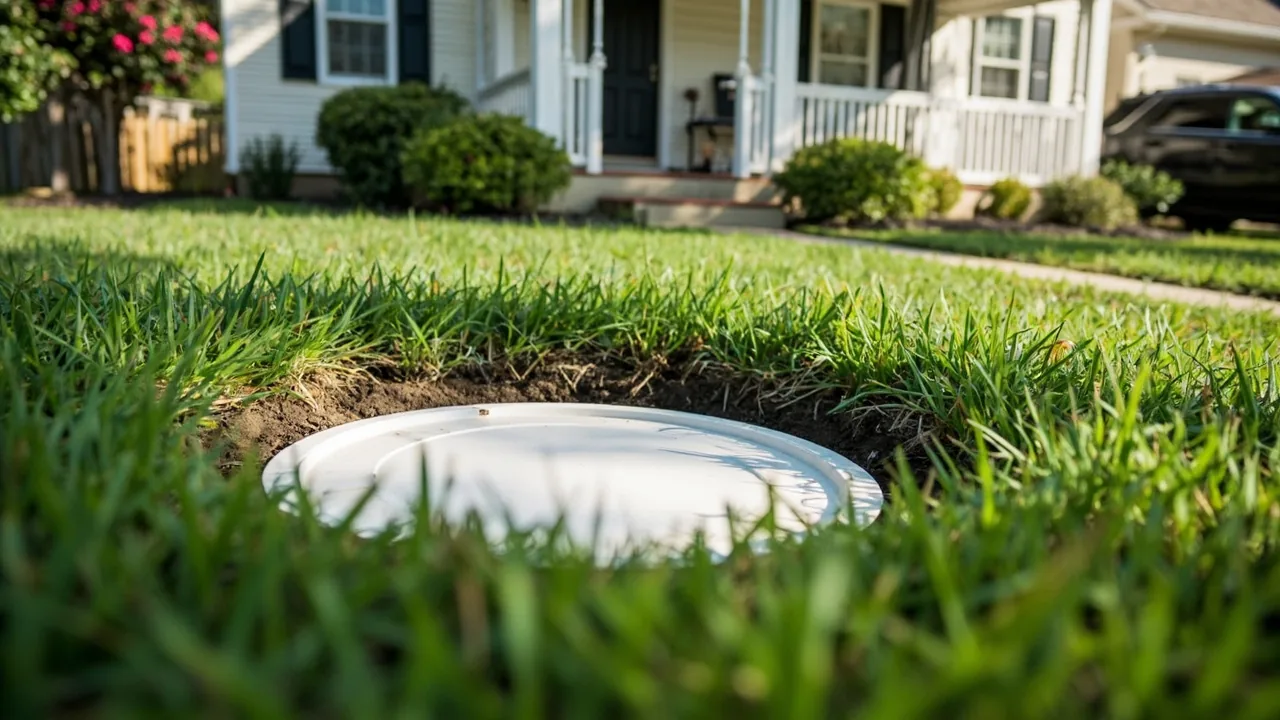 Professional septic services
Septic system costs vary significantly based on the type of service needed, the complexity of the work, and site-specific conditions. Understanding what affects pricing helps you budget appropriately and compare estimates fairly.
In Fort Mill and throughout York County, septic services range from routine pumping at a few hundred dollars to complete system replacement at $15,000 or more. This guide explains the factors that determine your specific costs.
Regular pumping is the most common septic expense:
Pumping every 3-5 years typically costs less over time than waiting for problems to develop. Regular pumping is an investment that prevents expensive repairs.
Repair costs vary widely based on the nature and extent of the problem:
System replacement is the most significant septic expense:
Regular inspections help prevent expensive problems:
Your property's unique characteristics significantly impact septic costs:
Fort Mill's clay soils may require larger drain fields or alternative systems, increasing costs. Soil testing is required to determine appropriate system size.
High groundwater may require additional design considerations or alternative systems to prevent contamination.
Limited space may require more complex systems. Odd lot shapes or challenging topography increase installation complexity.
Hard-to-reach tank locations, limited space for equipment, or obstacles like structures or landscaping increase labor time.
Longer distances from the street increase equipment setup time and material handling requirements.
Cost is important, but consider these factors when selecting a provider:
Ensure the contractor is licensed in South Carolina and carries adequate insurance. This protects you from liability and ensures minimum competency standards.
Established companies with good reputations often provide better service, though may not always be the cheapest option.
Get written estimates that itemize costs. Compare apples to apples—ensure estimates include the same scope of work.
Ask about warranties on parts and labor. This provides protection if problems arise after the work is complete.
Plan for septic costs as part of home ownership:
Annual budget: Set aside $300-$500 annually for maintenance, inspections, and occasional repairs.
Long-term planning: Begin planning for eventual replacement at year 20. Save or invest to cover the $5,000-$15,000 replacement cost.
Emergency fund: Keep funds available for unexpected failures. Septic emergencies rarely happen at convenient times.
Home warranty: Consider home warranty programs that include septic coverage for added protection.
Each property has unique conditions—soil type, tank size, accessibility, and the specific problem—that affect the work required. No two jobs are exactly alike.
Yes. Getting 2-3 estimates helps ensure fair pricing and allows you to compare approaches. Beware of estimates significantly lower than others—they may indicate missing scope or inferior work.
Some contractors offer financing, and home equity loans or lines of credit can be used for major repairs. Some local programs may offer assistance for qualifying homeowners.
The biggest factors are the problem type, accessibility, tank and line condition, drain-field condition, soil saturation, equipment needs, permit requirements, and how urgent the service is.
No. Online ranges are only planning references. Septic pricing depends on buried components and site conditions that usually require professional review.
Include the property city or ZIP, symptoms, last pump date if known, tank or lid access notes, photos of wet areas or components, and whether the request involves pumping, repair, inspection, drain-field work, or replacement.
Tell us what is happening, where the property is, and how soon you need help. The goal is a complete, contractor-readable request — not a generic contact form.