Weather Guide
Septic During Drought for Fort Mill, SC
Learn how drought conditions affect your septic system and what steps to take during dry weather to protect your investment and ensure proper function.
- How drought impacts septic systems
- Water conservation strategies
- Protecting your drain field
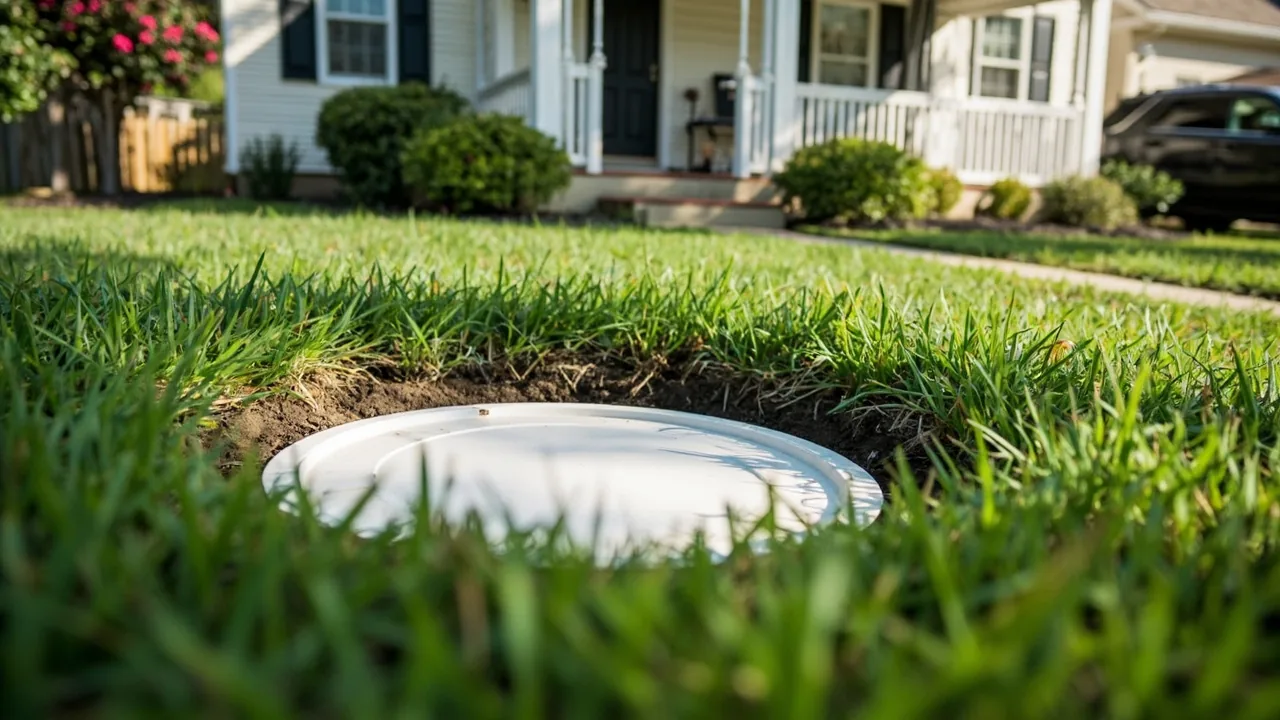 Drought conditions require special septic system attention
How Drought Affects Septic Systems
While heavy rain poses obvious threats to septic systems, drought conditions can be equally problematic. Fort Mill experiences periodic droughts, especially during summer months, and understanding how dry conditions impact your system helps you protect it properly.
Septic systems rely on beneficial bacteria to break down waste. These microorganisms need moisture to survive and function. During drought, reduced water usage can decrease the moisture content in the tank, potentially disrupting the bacterial balance that treats your wastewater.
More significantly, extremely dry soil around the drain field can harden and crack, potentially damaging distribution pipes. When rain finally returns, the hardened soil may not absorb water properly, leading to pooling and drainage problems. Additionally, drought-stressed trees and plants may send roots deeper into the ground searching for moisture, increasing the risk of root infiltration into septic pipes.
Water conservation measures during drought—while necessary—also concentrate solids in the tank since less water flows through the system. This means tanks may need pumping more frequently during extended dry periods.
Balancing Conservation and System Health
During drought, you're likely conserving water—but your septic system still needs adequate flow to function properly:
Minimum Water Usage
While reducing water usage is important during drought, completely minimizing water use can harm your septic system. The system needs a consistent flow to transport solids through the tank and to the drain field. Occasional heavy water use—like running a full load of laundry—is actually beneficial for system function.
Avoid Complete Water Shutoff
If you're away from home during drought, don't turn off water completely. Minimal regular usage keeps the system active and prevents problems from stagnant water. If you'll be gone more than a few weeks, have someone check on the property periodically.
Spacing vs. Concentrating
Instead of极端 conserving by doing all water activities at once, spread them throughout the day. This gives the system time to process each batch of wastewater. But also don't avoid normal activities—occasional concentrated water use is fine and helps flush the system.
Protecting Your Drain Field During Drought
The drain field is particularly vulnerable during drought conditions:
Soil Cracking
Extended dry periods can cause soil to crack and harden. This damages the delicate distribution system and reduces the soil's ability to absorb water when rain returns. Light, occasional watering of the drain field area can help maintain soil moisture without over-saturating.
Root Intrusion
Drought forces plant roots to search deeper for water. Roots near your septic pipes can infiltrate joints and cracks, causing blockages and damage. Inspect the area around your system for signs of root growth and consider removing aggressive root plants.
Compaction Prevention
Dry soil is more susceptible to compaction from foot traffic or vehicles. Avoid walking on or driving over the drain field during drought, as compacted soil drains poorly even when moisture returns.
Vegetation Management
While you don't want deep-rooted plants near the system, some shallow-rooted grass helps prevent erosion and maintains soil structure. Keep the area lightly vegetated but avoid adding new plants during drought conditions.
Maintaining Bacterial Health During Drought
Your septic tank relies on bacteria to treat wastewater. Drought conditions can affect this biological process:
Avoid Harsh Chemicals
During drought, minimize use of antibacterial soaps, harsh cleaning products, and chemical drain cleaners. These can kill the beneficial bacteria in your tank that break down waste. Choose septic-safe products when possible.
Don't Overload with Bleach
While bleach is fine in moderation, excessive use during laundry can harm bacterial populations. Use concentrated detergent and bleach sparingly, and consider using oxygen-based cleaners occasionally to help maintain bacterial health.
Consider Bacterial Additives
If your system has been stressed by drought conditions, bacterial additives may help restore the natural balance. However, these are no substitute for proper maintenance—consult a professional before adding any products to your tank.
Monitor for Odors
Bacterial problems often manifest as unusual odors. If your system develops strong smells during or after drought, have it inspected. The bacterial balance may have been disrupted.
Strategic Water Use During Drought
Smart water management protects both water resources and your septic system:
Greywater Considerations
While some homeowners collect greywater for irrigation, this water should never be directed to the drain field area. Greywater from showers and sinks contains contaminants that can overwhelm the drain field if applied in large quantities.
Outdoor Water Use
When watering lawns or gardens, avoid directing water toward the septic system area. If you're on well water, be especially mindful of overall usage. Consider drought-tolerant landscaping that requires less irrigation.
Pool and Hot Tub Management
Never drain pools or hot tubs into your septic system. The volume of water and chemical content can overwhelm the tank and kill beneficial bacteria. Drain these to appropriate locations away from the septic area.
Car Washing
Limit car washing during drought, or use a commercial car wash that drains to municipal sewer systems. If washing at home, use minimal water and avoid letting runoff flow toward the septic area.
When Drought Ends
As drought conditions ease, take these steps:
Gradual Return to Normal Usage
Don't immediately return to heavy water use. As soil moisture increases, your drain field will need time to reabsorb water properly. Increase usage gradually over a week or two.
Inspect for Damage
After extended drought, inspect your system for signs of damage. Check for cracked lids, damaged pipes, or areas where soil may have shifted. Any problems should be addressed before heavy rains return.
Monitor Drainage
As normal water usage resumes, watch how quickly your drains flow and whether any pooling occurs in the yard. Problems during this transition period may indicate damage from drought conditions.
Consider Pumping
If your tank wasn't pumped recently and you've been conserving water heavily during drought, consider pumping after conditions improve. The concentrated solids may need attention.
Fort Mill-Specific Drought Considerations
Local conditions require specific attention during drought:
Fort Mill and York County often experience summer droughts when temperatures are highest and water demand is greatest. The clay soils common in the area can harden significantly during dry periods, making proper recovery when rain returns especially important.
Many Fort Mill residents rely on wells, which may have reduced output during drought. This creates a dual challenge of conserving water for both household use and septic system health.
Local water restrictions may limit outdoor water use. Work with these restrictions while maintaining minimum system function—remember that some water usage is necessary for your septic system to work properly.
Frequently Asked Questions
Can drought cause my septic system to fail?
Drought itself doesn't typically cause failure, but it can contribute to problems. Soil cracking, root intrusion, and bacterial imbalance can all result from extended dry periods. These issues may become apparent when rain returns.
Should I pump my tank during drought?
If pumping is needed, it can still be done during drought. However, avoid letting the tank sit empty for extended periods, as this can cause drying and cracking of the tank or soil. Pump when needed and have the system refilled if appropriate.
Can I water my drain field during drought?
Light, occasional watering can help prevent soil from hardening completely. However, avoid overwatering—the goal is to maintain soil moisture, not saturate the drain field. Direct water away from the tank itself.
How do I know if drought damaged my septic system?
Watch for signs after drought ends: slow drains, odors, wet areas in the yard, or unusual sounds. A professional inspection can identify drought-related damage to pipes, tanks, or soil structure.
Related Resources
Quick answer: when should this Fort Mill septic topic become a service request?
Quick answer: If this septic during drought for fort mill, sc question involves sewage backing up, strong septic odor, wet drain-field soil, a tank alarm, failed inspection, property sale timing, a planned addition, or uncertainty about the right system type, capture the details before guessing. Fort Mill-area septic decisions depend on site conditions, county rules, tank history, soil behavior, and access.
- Urgent symptoms: backups, surfacing wastewater, or active alarms should be described with photos and timing.
- Planning questions: permits, additions, new construction, drought, storm, or seasonal usage issues need property-specific context.
- Best next step: submit the request with city/ZIP, last pump date if known, symptoms, timeline, and decision goal.
Request a Fort Mill Septic Estimate
Use this form when a septic question turns into a real repair, pumping, inspection, replacement, drain-field, permit, or planning need. Share the property location, symptoms, timing, and any photos so the request is specific enough for a contractor to evaluate.
Drought-season septic request details
Quick answer: During drought in Fort Mill, describe changes in water use, odors, slow drains, dry or stressed drain-field grass, recent pumping, safe photos, and whether the concern is maintenance, repair, or a second opinion before local review.