System Comparison
Residential vs Commercial Septic Systems in Fort Mill, SC
Understanding the differences between residential and commercial septic systems helps Fort Mill property owners make informed decisions about their wastewater needs.
- Key system differences
- Sizing and design variations
- Maintenance requirements
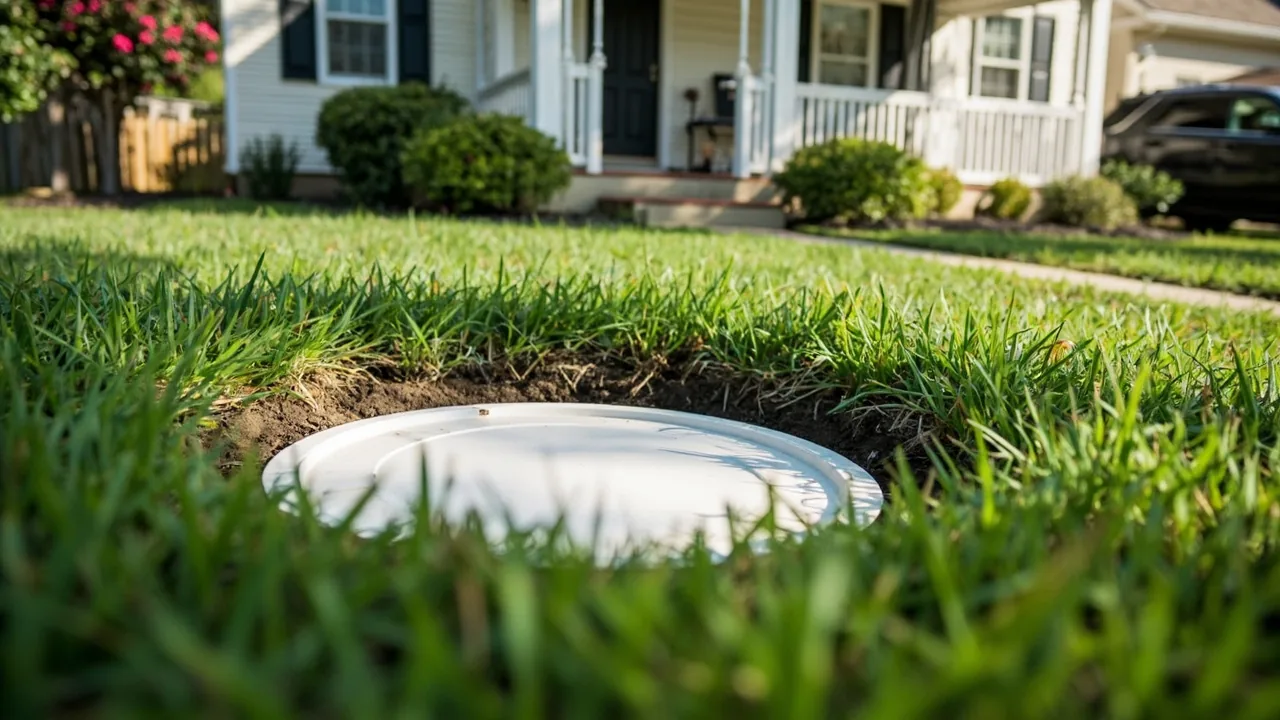 Professional septic services
Understanding Residential and Commercial Septic Systems
Septic systems are essential for properties not connected to municipal sewer lines. While both residential and commercial septic systems serve the same fundamental purpose—treating and disposing of wastewater—they differ significantly in design, capacity, complexity, and regulatory requirements. Fort Mill property owners must understand these differences whether they're maintaining an existing system or installing a new one.
York County regulates both residential and commercial septic systems, but commercial systems often face more stringent requirements due to their larger capacity and potential environmental impact.
Residential Septic Systems
Residential septic systems are designed for single-family homes and small multi-family dwellings. These systems typically handle the wastewater needs of a limited number of occupants with predictable usage patterns.
Typical Components
- Septic tank (typically 1,000-1,500 gallons)
- Distribution box
- Drain field (leach field or absorption area)
- Pipes and connections
Design Considerations
Residential systems are sized based on the number of bedrooms in the home and the anticipated daily water usage. The general rule is 120-150 gallons per bedroom per day. A typical three-bedroom home might require a system designed for 360-450 gallons daily.
Fort Mill residential systems must meet York County Health Department requirements, including proper soil evaluation, adequate drain field size, and appropriate setback distances from wells, property lines, and water bodies.
Common Residential System Types
- Conventional gravity systems
- Septic tank with pump chamber
- Aerobic treatment units (where soil conditions require)
- Conventional drain fields
- Chamber systems
Commercial Septic Systems
Commercial septic systems serve businesses, restaurants, hotels, office buildings, schools, and other non-residential properties. These systems must handle higher volumes of wastewater and often more varied types of waste.
Typical Components
- Multiple or larger septic tanks
- Grease traps (for restaurants)
- Pump chambers and controls
- Advanced treatment components
- Larger distribution systems
- Monitoring wells
Design Considerations
Commercial systems are sized based on the type of business, maximum occupancy, and anticipated water usage. A restaurant, for example, generates significantly more wastewater than an office building, and that wastewater contains more grease and solids.
Commercial systems in Fort Mill require more extensive permitting through York County and often South Carolina DHEC. Design must account for peak usage times, potential variations in flow, and pretreatment requirements.
Common Commercial System Types
- Large capacity conventional systems
- Aerobic treatment facilities
- Package treatment plants
- Sequential batch reactors
- Advanced filtration systems
Key Differences Between Residential and Commercial Systems
Capacity and Flow
The most obvious difference is capacity. A residential system might handle 300-500 gallons per day, while a commercial system may need to process thousands of gallons daily. This affects every component from tank size to drain field dimensions.
Complexity
Commercial systems are typically more complex, often including multiple tanks, treatment chambers, pumps, alarms, and electronic controls. This complexity allows them to handle higher volumes and more challenging waste streams.
Regulatory Requirements
Commercial septic systems face more stringent regulations than residential systems. They may require:
- More frequent inspections
- Annual pumping
- Water quality testing
- Certified operator oversight
- Detailed maintenance records
Pretreatment Requirements
Many commercial establishments require pretreatment before wastewater enters the main septic system. Restaurants need grease traps. Laundries may need lint traps. Medical facilities require special handling.
Maintenance Frequency
Commercial systems typically require more frequent maintenance. While residential tanks may be pumped every 3-5 years, commercial tanks—especially those serving restaurants or high-use facilities—may need pumping quarterly or monthly.
Cost Comparison
Installation Costs
Residential septic system installation typically ranges from $5,000 to $15,000 depending on site conditions. Commercial system installation can range from $20,000 to $100,000 or more, depending on size and complexity.
Maintenance Costs
Residential pumping costs $250-$500 every 3-5 years. Commercial pumping can cost $500-$5,000 or more, depending on tank size and frequency. Commercial systems also require more frequent inspections and potential repairs.
Repair Costs
Residential repairs typically range from $500-$5,000. Commercial repairs can range from $2,000 to $50,000 or more, particularly for systems with complex treatment components.
Common Commercial Applications in Fort Mill
Fort Mill's growing commercial sector includes various businesses that require commercial septic systems:
Restaurants and Food Service
Restaurants generate high volumes of wastewater with significant grease and food particle content. They require grease traps, larger tanks, and more frequent pumping. A typical restaurant system may need pumping monthly rather than annually.
Hotels and Motels
Lodging facilities have high water usage with consistent flows. System sizing must account for full occupancy during peak seasons. Many hotels require multiple tanks and advanced treatment.
Office Buildings
Office buildings generate relatively clean wastewater, primarily from restrooms and break rooms. However, high occupancy creates significant volume. Pretreatment is typically minimal, but capacity must be adequate.
Retail Establishments
Retail spaces vary widely in their wastewater generation. A small retail shop may have minimal needs, while a large department store with food service requires substantial capacity.
Schools and Institutions
Educational facilities have predictable but high usage patterns, particularly during school hours. System design must accommodate peak usage times.
Fort Mill-Specific Considerations
York County has specific requirements for both residential and commercial septic systems. Commercial systems face additional scrutiny due to their potential impact on public health and the environment.
Permitting Requirements
Commercial septic systems require more extensive permitting than residential systems. Applications must include detailed site plans, system designs, and engineering specifications. Approval may require review by both county and state authorities.
Soil and Site Evaluation
All septic systems require soil evaluation to determine appropriate drain field size and type. Commercial sites may require more detailed geotechnical investigation due to their larger scale.
Setback Requirements
Commercial systems must maintain greater setbacks from property lines, wells, and water bodies due to their larger capacity and higher potential for impact.
Frequently Asked Questions
Can a business use a residential septic system?
Generally no. Commercial properties typically require commercial systems sized for their specific usage. Using a residential system for commercial purposes can lead to system failure and regulatory violations.
How often should a commercial septic tank be pumped?
It depends on the type of business. Restaurants may need monthly pumping, while office buildings might only need quarterly or semi-annual pumping. York County regulations may specify requirements.
What permits are needed for commercial septic in Fort Mill?
Commercial systems require permits from both York County Environmental Health and potentially South Carolina DHEC. Detailed plans and specifications must be submitted for approval.
Can I convert a residential septic system to commercial use?
Usually not without significant modification. A residential system is not designed for commercial capacity and would likely fail under commercial usage. A complete system redesign is typically required.
Related Resources
Quick answer for residential vs commercial septic requests
Quick answer: Residential septic requests usually center on bedrooms, household water use, tank condition, and drain-field performance. Commercial septic requests are evaluated around daily flow, fixtures, business use, grease or process wastewater, public access, and approval requirements. In Fort Mill, the estimate request should identify whether the property is a home, rental, office, restaurant, shop, church, or other use before pricing is discussed.
Local warning signs
- A home addition, accessory dwelling unit, or bedroom count change that may exceed the current design.
- A business use where restrooms, employees, customers, or wastewater volume changed.
- Recurring backups after peak usage, events, weekends, or heavy laundry/cleaning periods.
What to include in the estimate request
- Property type, current use, planned use, fixture count, and occupancy or employee/customer estimate.
- Known tank size, pump system, grease trap, prior repairs, and inspection findings.
- Urgency: active backup, sale/lease deadline, permit planning, or preventive review.
Cost and repair decision factors
- Commercial systems may need design review beyond a normal residential repair visit.
- Residential systems can still become complex when additions, rentals, or high occupancy are involved.
- Lead quality improves when the request includes use case, timing, and documents/photos.
Methodology: this is an educational Fort Mill septic planning guide. Exact scope and pricing require a qualified on-site inspection, safe access to system components, and review of local site conditions.
Can a residential septic contractor evaluate commercial septic problems?
Some can handle both, but commercial use often requires more detailed flow, fixture, permitting, and maintenance review. The request should state the business type upfront.
Does a home business make the system commercial?
It depends on wastewater flow, visitors, employees, and regulatory classification. A small office use may be different from food service, salon, childcare, or event use.
Request a Septic Estimate
Tell us what is happening, where the property is, and how soon you need help. The goal is a complete, contractor-readable request — not a generic contact form.