When to request help
Request a lifespan review before buying or selling a home, after repeated backups, when records are missing, or when an older tank is paired with soggy drain-field symptoms.
System Longevity
Understanding your septic system's expected lifespan helps you plan for maintenance and replacement. Learn what affects longevity and how to maximize your system's life.
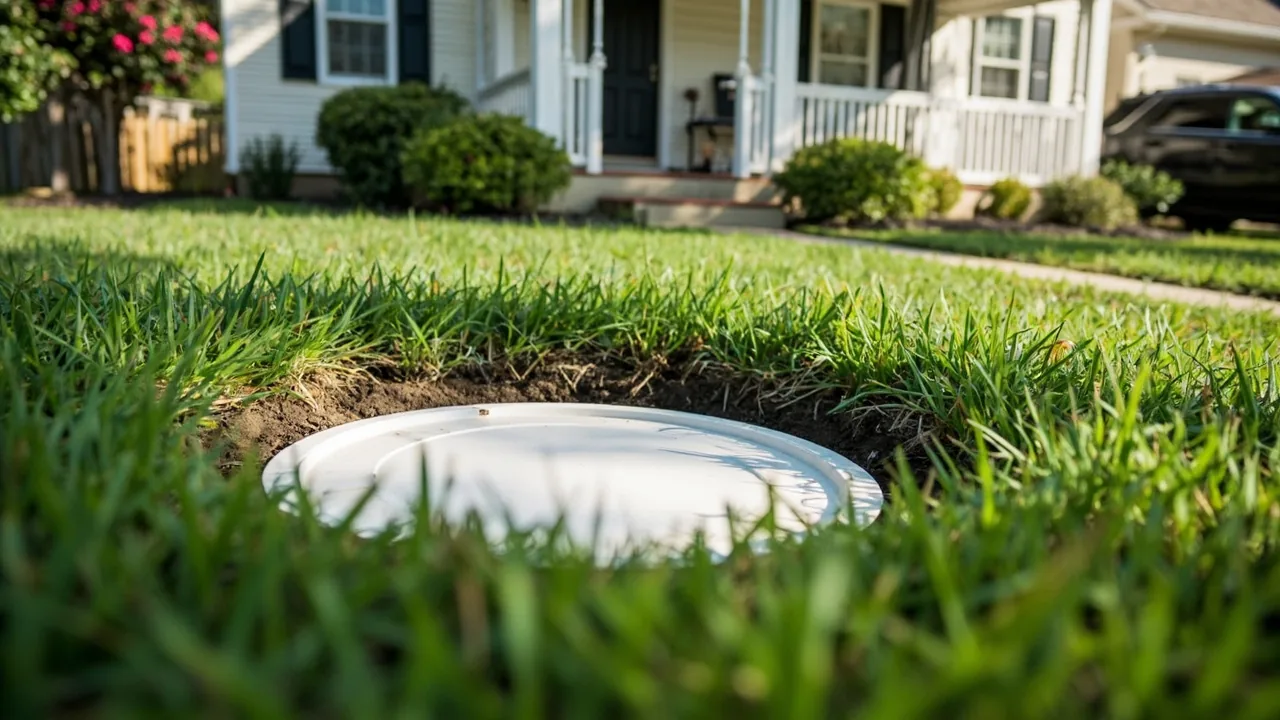 Well-maintained septic systems can last decades
The average septic system lasts 25-40 years with proper maintenance. However, this is a general range—actual lifespan varies significantly based on system quality, installation, maintenance, usage patterns, and local conditions. Some systems fail much earlier, while others continue functioning well beyond 40 years.
In Fort Mill, many homes built in the 1980s and 1990s still have their original septic systems. With proper care, your system can serve your home for decades. The key is understanding what affects lifespan and taking steps to maximize it.
Different components of your septic system have different expected lifespans. The tank typically outlasts the drain field, which is often the first component to fail.
Concrete septic tanks commonly used in Fort Mill typically last 40-50 years or more. With proper maintenance, they often outlast the drain field. Fiberglass and polyethylene tanks also have long lifespans of 30-40 years. Tank failure is usually due to corrosion, cracking from ground movement, or structural collapse from excessive weight above.
The drain field is typically the shortest-lived component, with an expected lifespan of 20-30 years. Over time, soil pores become clogged with biomass and solids, reducing absorption capacity. In Fort Mill's clay soils, this process may occur faster than in sandy soil areas. Drain field failure usually requires expensive replacement.
PVC pipes used in modern systems can last 50+ years. Older systems with metal or clay pipes may have shorter lifespans. Distribution boxes and baffles typically last as long as the tank itself.
If your system includes pumps, grinders, or aerobic treatment components, these typically last 10-20 years and require periodic replacement.
Regular pumping and inspections are the biggest factors in system longevity. Systems that are pumped every 3-5 years and inspected annually consistently outlive neglected systems. The cost of maintenance is small compared to replacement costs.
High water usage accelerates system wear. Homes with excessive laundry, frequent guests, or water-intensive appliances stress the system. Conserving water extends component life.
Harsh chemicals, excessive grease, non-biodegradable materials, and inappropriate items kill beneficial bacteria and add solids that overwhelm the system. Proper use protects system health.
In Fort Mill, clay soils drain more slowly than sandy soils, potentially shortening drain field life. High groundwater, slopes, and soil compaction also affect longevity.
Properly sized, professionally installed systems last longer than marginal or DIY installations. Quality components and correct installation practices matter.
Heavy vehicles or equipment over the system, frost heave, or settling ground can damage tanks and pipes. Avoid driving or building over septic components.
These practices maximize septic system lifespan:
Watch for these indicators that your system may be reaching the end of its lifespan:
These signs do not necessarily mean immediate failure, but they indicate the system needs attention and may require planning for eventual replacement.
Even with excellent care, all septic systems eventually need replacement. Planning ahead prevents emergency situations:
Start planning at 20 years: Begin researching replacement options and saving money around year 20.
Get regular inspections: More frequent inspections in later years help track system condition.
Consider upgrades: Newer systems may offer better efficiency or features. Research options before replacement.
Budget accordingly: Septic replacement in Fort Mill typically costs $5,000-$15,000 or more depending on site conditions.
Permits take time: Start the permit process well before you need the new system.
Local conditions affect septic lifespan in our area:
The clay soils common in Fort Mill and York County drain more slowly than sandy soils. This means drain fields may clog faster and require more attention. Consider more frequent inspections if your system is in clay soil.
Many Fort Mill neighborhoods have older septic systems from the 1980s and 1990s. If your system is this age, budget for potential replacement and increase inspection frequency.
Fort Mill's growth may eventually bring municipal sewer to your area. Check with York County about future sewer plans, which could eventually eliminate your septic maintenance burden.
Yes, with excellent maintenance and favorable conditions, septic tanks can last 50+ years. Drain fields typically last 20-30 years, so even with a long-lasting tank, drain field replacement may be needed.
Lack of regular pumping is the most common cause. When solids accumulate and flow into the drain field, they cause clogging that often cannot be reversed.
Yes. Replacing a failed drain field while keeping a sound tank can extend system life significantly at lower cost than full replacement.
Quick answer: A septic tank in Fort Mill can last 30 to 50 years when it is structurally sound and pumped on schedule, but drain-field performance can fail sooner if clay soil, roots, excess water, or neglected solids overload the system. If the home has repeat slow drains, sewage odors, wet grass over the drain field, or a tank that has not been inspected in years, the next step is a professional inspection rather than guessing from age alone.
Request a lifespan review before buying or selling a home, after repeated backups, when records are missing, or when an older tank is paired with soggy drain-field symptoms.
Include the tank age if known, last pump date, number of people in the home, whether additions or heavy water use changed demand, wet-area photos, and any inspection notes.
Questions about an aging septic system? Send the details that help a Fort Mill septic pro decide whether this is routine maintenance, repair planning, or replacement risk.