Home Sale Guide
Selling Your Home With Septic in Fort Mill, SC
Everything you need to know about selling a home with a septic system in Fort Mill. Understand requirements, prepare for inspection, and close the deal successfully.
- South Carolina septic inspection requirements
- Preparing your system for sale
- Common repair issues to address
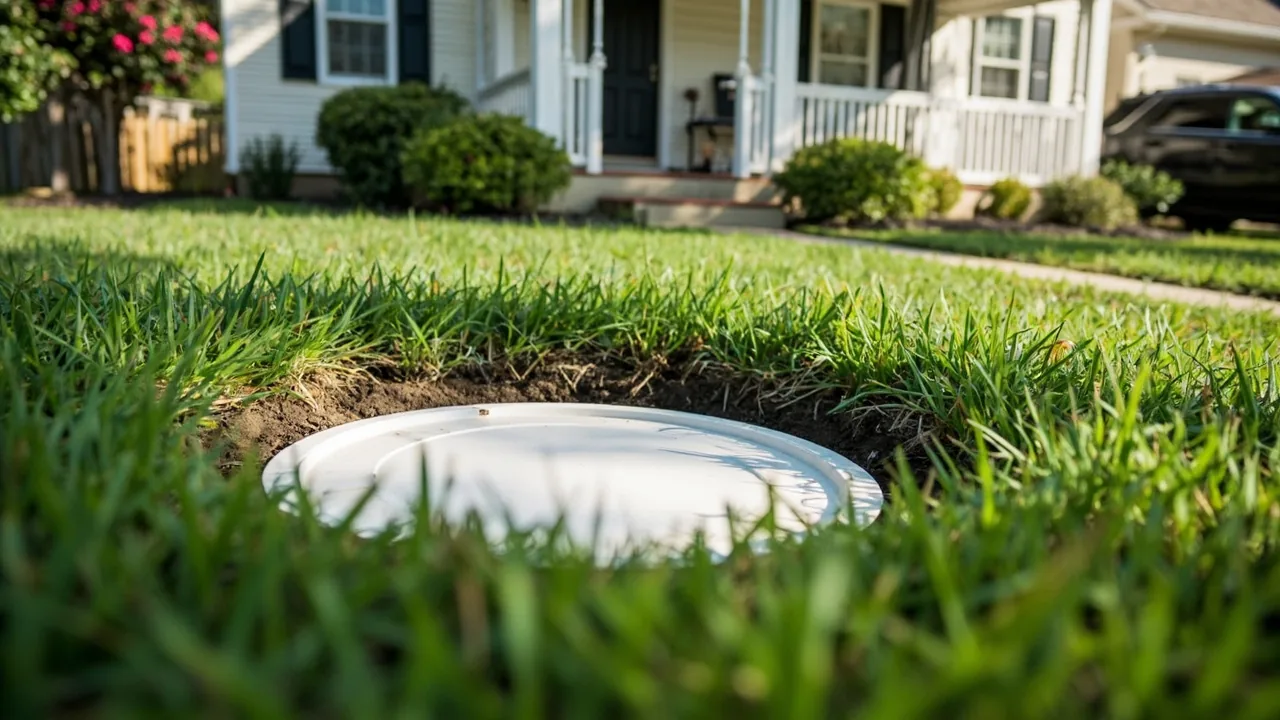 Prepare your septic system before selling your home
South Carolina Septic Requirements for Home Sales
In South Carolina, the sale of a home with a septic system requires a mandatory inspection. This requirement exists to protect buyers from purchasing properties with hidden septic problems and to ensure public health and groundwater safety.
The inspection must be conducted by a licensed septic system inspector, and the results must be provided to the buyer before the sale can be completed. This is not optional—failure to complete a proper inspection can void contracts and create legal liability for sellers.
York County Environmental Health oversees septic system permits and inspections in the Fort Mill area. The inspection evaluates the entire system, including the tank, distribution box, drain field, and all connecting pipes. Any system serving the property must be inspected, including systems for additional structures like guest houses.
Understanding these requirements early in the selling process helps you plan for any necessary repairs and avoids delays during closing.
The Septic Inspection Process
What happens during a septic inspection for home sale:
Visual Examination
The inspector examines all visible components of the system, including the tank access lid, distribution box, and any exposed pipes. They look for signs of damage, deterioration, or improper installation.
Water Flow Test
The inspector conducts a flow test by running water through the system and observing how quickly it reaches the drain field. This reveals whether the system can handle normal household usage.
Tank Inspection
Through the access port, the inspector examines the tank interior, checking water levels, sludge accumulation, and the condition of baffles. The inlet and outlet baffles are critical for preventing solids from entering the drain field.
Drain Field Assessment
The inspector walks the drain field, looking for signs of saturation, ponding, or stressed vegetation. They may use probes or cameras to assess the condition of distribution lines.
Documentation
The inspector provides a detailed report documenting the system's condition, any deficiencies found, and recommendations for repair if needed. This report becomes part of the sale documentation.
Preparing Your System for Sale
Take these steps before listing your home:
Review Maintenance Records
Gather any records of past pumping, repairs, or inspections. This documentation demonstrates that the system has been maintained and can help reassure buyers.
Schedule Pre-Listing Inspection
Consider having your own inspection before listing. This reveals any issues that might come up during the buyer's inspection, giving you time to make repairs or price the home accordingly.
Have the Tank Pumped
If it's been more than three years since the last pumping, schedule pumping before listing. A clean tank presents well and shows buyers you've maintained the system.
Clear Access
Ensure the septic tank access is clear and accessible. Remove any obstructions, landscaping, or structures that prevent easy access for inspection.
Address Visible Issues
Fix any obvious problems: replace damaged lids, clear overgrown vegetation, and address any drainage issues around the system. First impressions matter to buyers.
Common Issues Found During Home Sale Inspections
Be aware of these frequent problems that can delay or derail a sale:
Full Tank
Tanks that haven't been pumped in 5+ years often fail inspection. The excessive solids can block the outlet and cause backups. This is easily fixed with pumping but must be addressed before closing.
Damaged Baffles
Inlet or outlet baffles that are damaged, missing, or corroded can allow solids to bypass treatment and clog the drain field. Baffle replacement is a relatively straightforward repair.
Drain Field Problems
Saturated or compacted drain fields, root intrusion, or damaged distribution lines are more serious issues. These may require drain field repair or replacement, which is more expensive than tank repairs.
Access Lid Issues
Missing, broken, or buried access lids need replacement. Modern lids are required to be at grade level and easily accessible for maintenance.
Unpermitted Systems
Some older systems were installed without proper permits. Bringing an unpermitted system into compliance can be complex and expensive.
Repairs vs. Disclosure: What Sellers Need to Know
Understanding your obligations as a seller:
Full Disclosure Required
South Carolina law requires sellers to disclose known septic system problems. Hiding issues can lead to legal liability after the sale. It's always better to address problems or disclose them upfront.
Negotiation Options
Buyers may request repairs, a credit for repairs, or a reduction in purchase price when inspection reveals problems. Many sellers choose to make repairs before listing to avoid negotiation delays.
As-Is Sales
Even when selling as-is, the buyer must still receive a passing septic inspection. The sale cannot complete without it. However, the seller is not obligated to make repairs in an as-is sale.
Timing Considerations
Septic repairs can take time—especially if parts need to be ordered or if the drain field needs work. Factor this into your closing timeline. Build in extra time for any necessary repairs.
Cost Considerations for Sellers
Understand the potential costs involved:
Inspection Costs
Septic inspections for home sales typically cost $250-$500 in the Fort Mill area, depending on system complexity. This is a worthwhile investment given what's at stake in the sale.
Pumping Costs
Tank pumping costs $250-$500. This is often needed before sale and demonstrates system maintenance to buyers.
Repair Costs
Minor repairs like baffle replacement or lid repair may cost $500-$1,500. More extensive repairs like drain field work can cost $5,000-$15,000 or more. Getting multiple quotes helps ensure fair pricing.
Return on Investment
While repairs cost money, a properly functioning septic system adds value to your home and can justify a higher asking price. A passing septic inspection removes a significant objection for buyers.
What Buyers Look For
Understanding buyer concerns helps you position your home competitively:
Buyers are often nervous about septic systems because they don't understand them. Documentation of maintenance history reassures them. A recent pumping, clean inspection report, and records of any past repairs all build confidence.
Buyers also appreciate transparency. If there have been past issues, explain what was done to address them. Show receipts for recent work. This demonstrates that the system has been well-maintained and any problems have been properly resolved.
Consider including a home warranty that covers septic systems. This can provide buyers with additional peace of mind and make your property more attractive than competing homes without this coverage.
When to Start the Process
Timing your septic preparation strategically:
Ideally, begin preparing your system 2-3 months before you plan to list your home. This gives time for any necessary repairs to be completed without rushing. If pumping is needed, it can be done well in advance.
Spring and fall are popular times for home sales in Fort Mill. If you're planning to sell during these peak seasons, schedule your preparation the season before. This ensures you're ready when buyers start looking.
If you're already under contract, respond quickly to any septic inspection requests. Delays in addressing septic issues are a common reason deals fall through. Being responsive and cooperative helps ensure a smooth closing.
Frequently Asked Questions
Can I sell my home without a septic inspection in South Carolina?
No. South Carolina law requires a septic inspection for any home sale where the property is served by a septic system. The inspection must be completed before the sale can close.
Who pays for the septic inspection?
Typically, the buyer pays for the inspection as part of their due diligence. However, sellers sometimes pay for a pre-listing inspection to identify issues before listing.
What happens if the inspection fails?
If the inspection reveals deficiencies, the seller must either repair them or disclose the issues to the buyer. The buyer may then negotiate for repairs, credits, or price reductions. The sale cannot close without addressing the inspection results.
How long is a septic inspection valid?
Inspection results are typically valid for 30-90 days, depending on the inspector and local requirements. If your sale extends beyond this period, a new inspection may be required.
Related Resources
Quick answer: when should this Fort Mill septic topic become a service request?
Quick answer: If this selling your home with septic in fort mill, sc question involves sewage backing up, strong septic odor, wet drain-field soil, a tank alarm, failed inspection, property sale timing, a planned addition, or uncertainty about the right system type, capture the details before guessing. Fort Mill-area septic decisions depend on site conditions, county rules, tank history, soil behavior, and access.
- Urgent symptoms: backups, surfacing wastewater, or active alarms should be described with photos and timing.
- Planning questions: permits, additions, new construction, drought, storm, or seasonal usage issues need property-specific context.
- Best next step: submit the request with city/ZIP, last pump date if known, symptoms, timeline, and decision goal.
Request a Fort Mill Septic Estimate
Use this form when a septic question turns into a real repair, pumping, inspection, replacement, drain-field, permit, or planning need. Share the property location, symptoms, timing, and any photos so the request is specific enough for a contractor to evaluate.