Detailed guide: Septic Smell in Yard Fort Mill SC
What a septic smell in the yard can mean
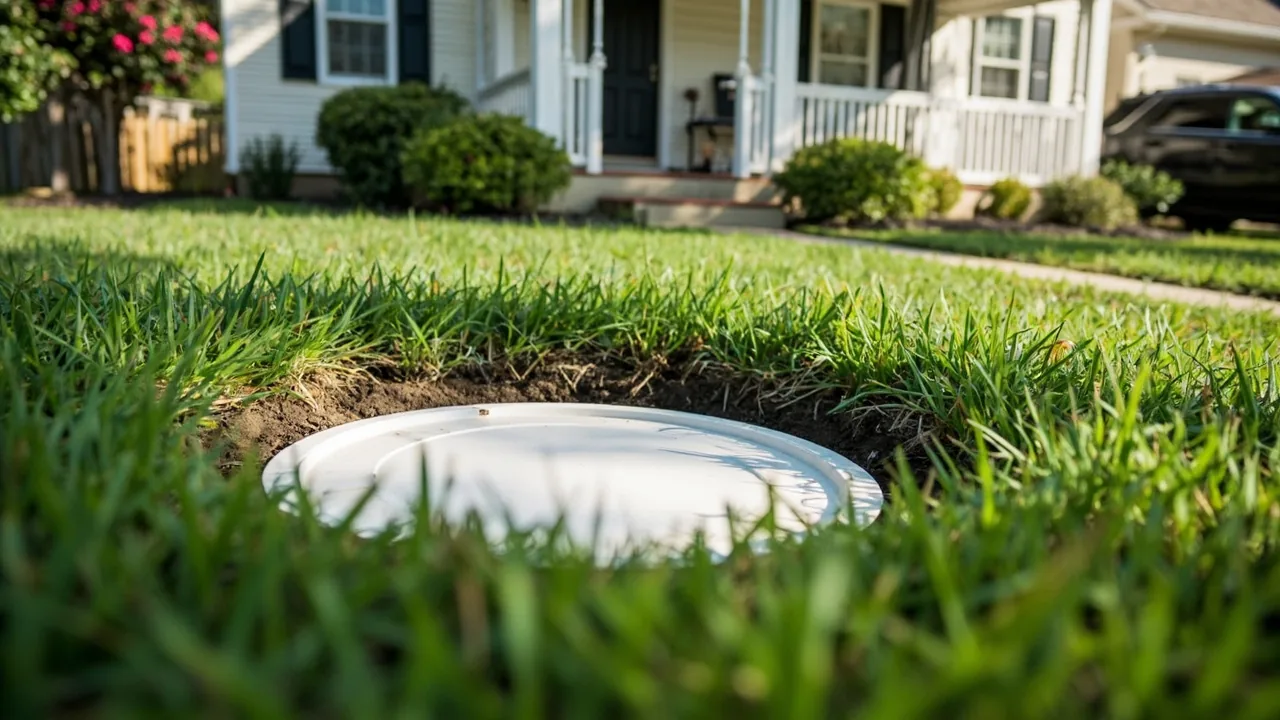
A septic smell in the yard is not something to ignore. It can come from a loose or damaged lid, an exposed cleanout, a clogged outlet filter, an overloaded tank, a failing pump chamber, a saturated drain field, or wastewater surfacing where it should stay underground. The location of the odor matters. Odor near the tank lid can point toward access or venting issues; odor over the field may suggest saturation; odor after heavy rain may indicate groundwater, grading, or stormwater adding stress.
For Fort Mill properties, the practical question is not just whether the tank is full. The useful question is what evidence points to a simple maintenance visit versus a repair diagnosis. Homeowners should note water-use patterns, weather, fixture behavior, odor location, visible water, recent plumbing work, and whether the symptom is improving, worsening, or repeating. These clues make the first conversation more productive and reduce the chance that the wrong truck, tool, or expectation is sent to the property.
A contractor-readable request for Septic Smell in Yard Fort Mill should explain the immediate risk and the background. If sewage is entering the home, if wastewater is visible on the ground, or if an alarm is active, the request should be marked urgent. If the issue is intermittent, include examples: after laundry, after rain, after guests, after long showers, or after a previous pumping visit. This level of detail helps separate septic repair, pumping, plumbing, drainage correction, and replacement planning.
How to document odor without disturbing the system
Do not dig into the field or open a tank yourself. Instead, photograph the general area, mark where the smell is strongest, note whether there is wet soil or lush grass, and record whether drains inside the home are slow. A short timeline is valuable: first noticed, worse after laundry, worse after guests, worse after rain, or constant. If odor is paired with surfacing wastewater or backup, the request should be treated as urgent.
For Fort Mill properties, the practical question is not just whether the tank is full. The useful question is what evidence points to a simple maintenance visit versus a repair diagnosis. Homeowners should note water-use patterns, weather, fixture behavior, odor location, visible water, recent plumbing work, and whether the symptom is improving, worsening, or repeating. These clues make the first conversation more productive and reduce the chance that the wrong truck, tool, or expectation is sent to the property.
A contractor-readable request for Septic Smell in Yard Fort Mill should explain the immediate risk and the background. If sewage is entering the home, if wastewater is visible on the ground, or if an alarm is active, the request should be marked urgent. If the issue is intermittent, include examples: after laundry, after rain, after guests, after long showers, or after a previous pumping visit. This level of detail helps separate septic repair, pumping, plumbing, drainage correction, and replacement planning.
Repair questions to ask
Ask whether the estimate includes diagnosis of tank level, inlet and outlet function, filter condition, pump chamber operation, distribution box condition, and drain-field saturation. Odor-only situations can be simple, but odor plus wet soil, backups, or alarms often deserves deeper investigation before anyone assumes pumping alone will solve it.
For Fort Mill properties, the practical question is not just whether the tank is full. The useful question is what evidence points to a simple maintenance visit versus a repair diagnosis. Homeowners should note water-use patterns, weather, fixture behavior, odor location, visible water, recent plumbing work, and whether the symptom is improving, worsening, or repeating. These clues make the first conversation more productive and reduce the chance that the wrong truck, tool, or expectation is sent to the property.
A contractor-readable request for Septic Smell in Yard Fort Mill should explain the immediate risk and the background. If sewage is entering the home, if wastewater is visible on the ground, or if an alarm is active, the request should be marked urgent. If the issue is intermittent, include examples: after laundry, after rain, after guests, after long showers, or after a previous pumping visit. This level of detail helps separate septic repair, pumping, plumbing, drainage correction, and replacement planning.
Estimate request checklist
Use this checklist to turn a vague septic problem into a request that can be reviewed quickly. The more complete the request, the easier it is to decide whether the situation sounds like emergency mitigation, pumping, repair diagnosis, inspection, or replacement planning.
- Property address or nearest cross streets
- Last known pump date and any inspection records
- Affected fixtures and whether more than one drain is slow
- Photos of wet areas, lids, cleanouts, alarms, or access points
- Whether symptoms are active now or intermittent
- Rain, laundry, guests, irrigation, or water-bill changes tied to the issue
- Real-estate, tenant, health, or closing deadlines
- Best access route for a truck and whether gates, dogs, or vehicles block the area
Repair versus maintenance decision factors
Routine septic maintenance is usually planned before there is a crisis. Repair is different. Repair starts when something is not functioning correctly: wastewater backs up, drain lines gurgle, the field becomes wet, a pump alarm activates, or an inspection finds damaged components. A maintenance visit may still be part of the answer, but recurring symptoms after pumping, sewage odors, wet ground, and high-water events deserve a closer look.
For Fort Mill homeowners, cost depends on diagnosis, not only on the name of the symptom. A slow drain might be a simple clog or it might be the first sign of field saturation. A smell in the yard might be a lid issue or wastewater surfacing. A high-water bill might be unrelated to the septic system or it might be overloading a field that was already marginal. That is why the safest next step is to gather evidence and request a professional review rather than rely on a single online price.
Questions to ask before approving work
Ask what problem the proposed work is intended to solve, what was observed on site, what assumptions remain, whether permits are needed, whether access or excavation changes price, and what signs would mean the repair did not fully solve the issue. If the quote involves the drain field, ask how saturation, soil, distribution, slope, and replacement area are being considered. If the quote involves tank components, ask whether inlet, outlet, baffles, filters, lids, risers, and structural condition were reviewed.
Homeowners should also ask what they can do immediately to reduce stress on the system. That may include limiting laundry, fixing running toilets, diverting roof or surface water away from the field, avoiding heavy vehicle traffic over septic components, and keeping children and pets away from questionable wet areas. Those steps do not replace repair, but they can reduce avoidable damage while the issue is being evaluated.
Local service-area notes
The Fort Mill region includes neighborhoods, rural roads, wooded lots, lake-area properties, older homes, and newer subdivisions. Septic access can be affected by fences, landscaping, slopes, irrigation, buried utilities, and driveway layout. Weather matters too. Heavy rain can make a marginal field look worse, while dry weather can hide symptoms that return under heavier use. A good request explains both the symptom and the site conditions around it.
This page is educational and estimate-oriented. It does not replace an on-site inspection, local code review, or professional diagnosis. It is designed to help a homeowner communicate clearly so the next step is more likely to match the actual problem.
FAQ
When should I request help for septic smell in yard fort mill sc?
Request help promptly when symptoms involve sewage backup, strong odor, wastewater surfacing, repeated slow drains, an alarm, or a condition that returns soon after pumping. For Fort Mill homes, clear timing, photos, and system history help separate routine maintenance from repair.
Is pumping always the solution?
No. Pumping removes accumulated solids from the tank, but it does not fix crushed lines, outlet baffle issues, pump failure, saturated drain fields, root intrusion, or grading and drainage problems around the system.
What should I include in the estimate request?
Include the property location, symptom timeline, last pump date if known, whether multiple fixtures are affected, alarm status, photos of wet or odor areas, and any inspection, permit, or real-estate deadline.
Can septic repair pricing be given online?
A rough category may be discussed, but final pricing usually requires diagnosis because excavation access, tank condition, line routing, soil saturation, pump components, and permit needs can change the scope.