Septic Repair • Fort Mill / Lancaster County
Septic Sewage Smell in Fort Mill, SC
Request an estimate for septic sewage smells, sewer gas odors, drain field problems, septic tank issues, pumping, or system inspections near Fort Mill and Lancaster County.
- Local estimate request path
- Photos help clarify scope
- Best-fit projects can be routed to local pros
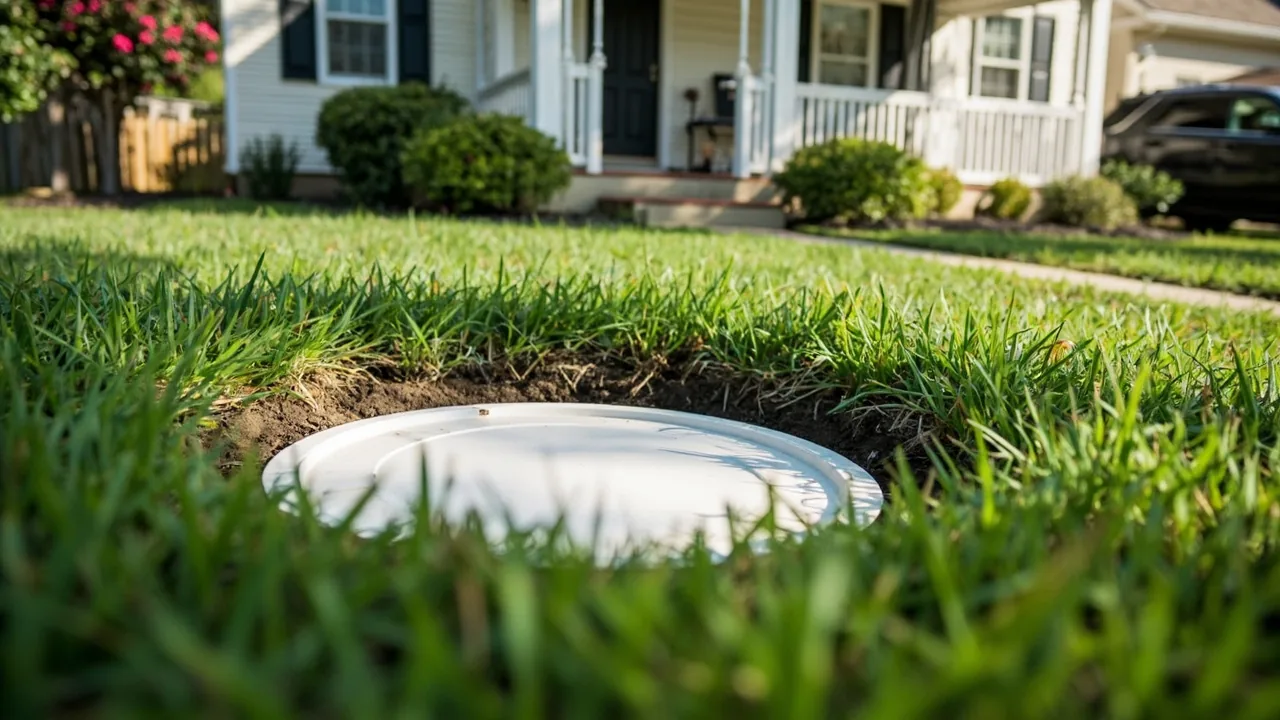 Representative project photo
A better way to request septic help
The best local-service sites do not make homeowners guess where to click. They sort the problem, capture the context a contractor needs, and make the next step obvious on desktop and mobile.
This page is tuned for sewage smells, sewer gas, drain odors, backups, slow drains, soggy yards, and septic system concerns.
Common reasons homeowners request help
- sewage smells and sewer gas odors
- drain odors and bathroom smells
- photos and location details
- timeline and urgency
- repair vs replacement questions
- contractor estimate fit
How the estimate path works
- Share contact info, project location, and project type.
- Describe the issue and include photos if available.
- Requests are reviewed for service fit.
- Best-fit requests can connect with local service providers.
Built for homeowners in and near the target service area.
Not every request is a match; scope and timeline help qualify.
Wide shots and close-ups speed up review.
Contractors or specialists evaluate final options on-site.
Understanding sewage smells in Fort Mill homes
A sewage smell in your home is never normal and should always be investigated. While it might seem like a minor inconvenience, sewage odors indicate that sewer gases are entering your living space, which can pose health risks and indicate serious septic problems.
Common causes of sewage smells
Sewage smells inside the home typically come from a few common sources. The most minor cause is a dry P-trap—an infrequently used drain where the water seal has evaporated, allowing sewer gases to enter. Simply running water in the drain for a minute can resolve this. More serious causes include a blocked or damaged vent pipe that prevents proper ventilation, a full septic tank causing backups, or a cracked septic tank allowing gases to escape into the home.
Sewage smells outside may indicate a different problem—perhaps a full tank, a cracked lid, or drain field failure. The location of the smell provides important clues about what's causing the issue. Inside smells are usually more urgent, as they indicate problems that affect your living space directly.
Health risks of sewage smells
- Sewer gas contains methane, which is flammable and can cause asphyxiation in high concentrations
- Hydrogen sulfide can cause headaches, dizziness, and respiratory problems
- Prolonged exposure can lead to more serious health issues
- Anaerobic bacteria from sewage can cause infections
- Carbon monoxide from decomposing waste can accumulate in enclosed spaces
Fast homeowner questions
Why does my house smell like sewage?
Sewage smells inside the home can indicate vent pipe problems, dry P-traps, a full septic tank, or cracked tank allowing gases to enter. The smell is sewer gas and should be addressed promptly.
Is sewage smell dangerous?
Yes. Sewer gas contains methane, hydrogen sulfide, and other harmful gases. Prolonged exposure can cause health problems. Persistent smells require professional attention.
Can dry P-traps cause sewage smells?
Yes. If a drain hasn't been used for a while, the water in the P-trap can evaporate, allowing sewer gases to enter the home. Running water for a minute usually fixes this.
Sewage smell triage
What to include with a sewage smell request
Sewage smells have several possible causes, and the location and timing provide important diagnostic information. Include as many details as possible to help identify the source quickly.
Sewage smell details that help
- Where the smell is strongest—specific room, bathroom, kitchen, basement
- Whether it's constant or comes and goes
- If it gets worse when using water (flushing toilets, running dishwasher)
- Which drains are affected—specific fixtures or all drains
- Any other symptoms—slow drains, gurgling, wet areas outside
- Last septic pump date, if known
Quick checks to try first
- Run water in all drains to refill P-traps
- Check if any bathroom hasn't been used recently
- Look for any visible leaks or water damage
- Note if the smell is stronger near any particular fixture
Local factors affecting sewage smell issues
Fort Mill's climate and housing characteristics create specific scenarios where sewage smells may occur. Understanding these local factors helps homeowners determine whether the issue requires immediate professional attention.
Climate and seasonal factors
Fort Mill's hot, humid summers can accelerate decomposition in septic systems and increase odor production. Summer also brings increased water usage from air conditioning condensation, pools, and outdoor activities, which can stress marginal systems and lead to odors. The winter months can cause problems too—if a home sits vacant or rooms are unused for extended periods, P-traps can dry out and cause smells.
Spring rains can saturate drain fields and cause odors as the system struggles to handle the additional water. If your drain field is already marginal, spring is when you'll most likely notice sewage smells both inside and outside the home.
Housing and system factors
Many homes in Fort Mill are vacation properties or second homes that sit empty for periods of time. When these homes are not occupied regularly, P-traps dry out and sewage smells can develop. This is a simple fix—running water through all drains before and after periods of vacancy—but it's a common cause of concern for homeowners who don't realize this is normal.
Older homes with original septic systems may have vent pipes that were not properly installed or that have deteriorated over time. These systems are more likely to develop problems that cause sewage smells, and a professional inspection can identify whether repair or replacement is needed.
Related estimate pages
Septic backups, odors, slow drains, soggy yards, and repair questions.
Septic Tank Replacement in Fort Mill, SCOld tanks, failed tanks, replacement planning, excavation, and permitting questions.
Drain Field Repair in Fort Mill, SCStanding water, soggy yards, failed drain fields, and septic absorption issues.
Septic Pumping in Fort Mill, SCRoutine pumping, full tanks, odors, and emergency septic pumping questions.
Septic Inspection in Fort Mill, SCHome sale inspections, system condition questions, and septic due diligence.
Septic Odors in Fort Mill, SCSeptic odors, sewer smells, and drain field odors.
Quick answer: Septic Sewage Smell in Fort Mill, SC
Quick answer: Septic odors in Fort Mill need triage when smells are near the tank, drain field, fixtures, or yard after rain. Odor can come from venting, a full tank, a leak, backup risk, or drain-field stress.
Describe the urgency
- Yard sewage smell, indoor drain odor, odor after laundry/showers, and smell near lids or wet spots.
- Odor location, timing, fixture symptoms, wet-yard photos, last pump date, and whether alarms are active.
- Odor plus slow drains, backups, or soggy ground should be treated as higher priority.
Access details that help
Photos of tank lids, cleanouts, alarms, wet areas, driveway access, and the suspected component help a contractor judge whether this is inspection, pumping, repair, or emergency response.
Request a Septic Estimate
Tell us what is happening, where the property is, and how soon you need help. The goal is a complete, contractor-readable request — not a generic contact form.
Quick questions
Is this a final price quote?
No. This is a request path. Project details are reviewed before any contractor connection or estimate conversation.
What details help most?
Location, timeline, where smell is strongest, when it occurs, and any other symptoms.
Are small jobs accepted?
They can be submitted, but larger or urgent projects are usually a better fit for contractor follow-up.