When to request help
Request help quickly if the tank lid is unsafe, sewage is backing up, the yard is wet or odorous, or an inspection report mentions cracks, leaks, corrosion, or structural failure.
Decision Guide
Understanding when to repair your septic tank versus when to replace it entirely helps Fort Mill homeowners make informed decisions about their property investment.
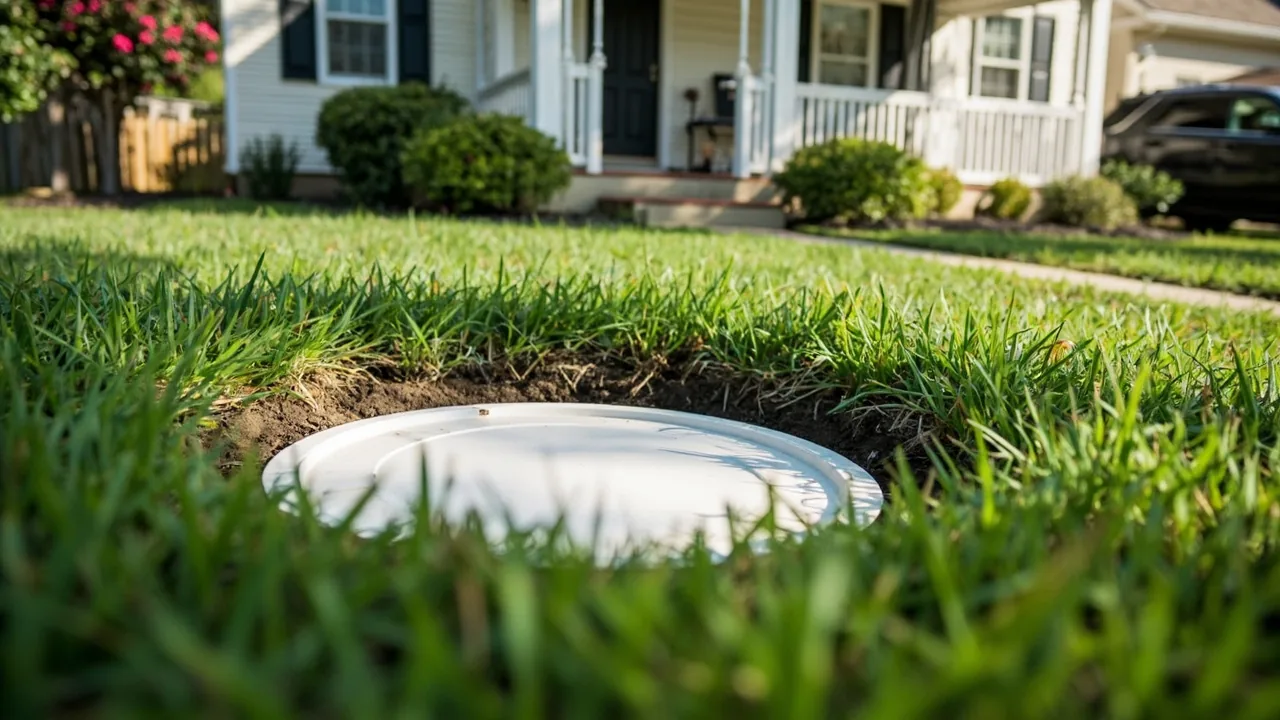 Professional septic services
When your septic tank develops problems, one of the most important decisions you'll face is whether to repair or replace it. This choice affects not only your immediate finances but also the long-term reliability of your home's wastewater system. In Fort Mill and throughout York County, septic tanks can last 20-40 years with proper maintenance, but eventually, every tank reaches the end of its service life.
The decision between repair and replacement depends on several factors including the tank's age, the nature and extent of damage, the overall condition of the drain field, and your budget constraints. Understanding these factors helps you make the best choice for your specific situation.
Septic tank repairs are often the right choice when the problems are localized and the tank itself is still in good structural condition. Here are the most common scenarios where repair is the better option:
Small cracks in the tank walls or floor can often be repaired with specialized epoxy or concrete patching materials. These repairs are typically effective when the damage is superficial and hasn't compromised the tank's structural integrity. A professional inspection can determine if the crack is merely cosmetic or indicates a more serious problem.
The inlet and outlet baffles are critical components that direct flow into and out of the tank. When these become damaged, cracked, or dislodged, they can usually be replaced without replacing the entire tank. Baffle repairs are one of the most common and cost-effective septic tank repairs.
Damaged or missing access lids pose safety hazards and can allow debris to enter the tank. Replacing access lids is a straightforward repair that typically costs much less than tank replacement. This is especially important for older tanks where lid technology has improved over the years.
Leaks at pipe connections between the house and tank or between the tank and drain field can often be repaired by resealing or replacing the affected fittings. These repairs are particularly common where pipes enter and exit the tank.
Septic tank repairs in the Fort Mill area typically range from $500 to $2,500 depending on the nature of the problem. This makes repair an attractive option when the tank has many years of useful life remaining. The key is addressing problems promptly before they worsen and lead to more expensive repairs or tank failure.
While repairs are often sufficient, certain situations clearly indicate that tank replacement is the better long-term investment. Here are the circumstances where replacement is typically recommended:
When the tank has collapsed, has extensive cracks throughout its structure, or shows signs of severe deterioration, repair is not feasible. Structural failure often results from age, ground movement, or heavy loads driving over the tank area. In these cases, replacement is the only safe option.
Metal tanks are susceptible to rust and corrosion, particularly in areas with acidic soil conditions. While surface rust can sometimes be treated, extensive corrosion compromises the tank's integrity and typically indicates replacement is needed. Fort Mill's soil conditions can accelerate corrosion in older metal tanks.
If you find yourself repairing the same tank repeatedly, the cumulative costs often exceed the price of a new tank. Multiple repairs within a few years signal that the tank has reached the end of its reliable service life. A new tank provides peace of mind and eliminates the cycle of ongoing repairs.
Septic tanks over 30-40 years old are often candidates for replacement, even if they appear to be functioning. Older tanks may not meet current code requirements and may have reduced capacity or structural integrity. If your tank is approaching this age and showing any signs of problems, replacement is often the prudent choice.
Some older tanks were installed incorrectly or without proper permits. These tanks may never have functioned properly and are better replaced than repaired. A properly installed modern tank will provide reliable service for decades.
Septic tank replacement in the Fort Mill area typically ranges from $3,000 to $7,000 for the tank itself, with total system installation costs of $8,000 to $15,000 or more depending on site conditions. While this is a significant investment, a new tank comes with warranties and provides reliable service for 20-40 years.
The decision between repair and replacement should also consider the condition of your drain field, also known as the leach field or absorption area. The drain field is responsible for treating and dispersing the effluent after it leaves the septic tank.
If your drain field is functioning properly, repairing or replacing just the tank may be sufficient. However, if the drain field is also failing or significantly compromised, a complete system replacement may be more cost-effective than addressing just the tank component.
Signs of drain field problems include slow drains throughout the house, wet or soggy areas in the yard, sewage odors, and lush green grass over the drain field area. A comprehensive inspection can assess both the tank and drain field to determine the most appropriate solution.
Understanding the financial implications helps justify the investment in either repair or replacement. Here's a detailed comparison:
While replacement requires a larger upfront investment, it often makes financial sense when you consider the cost of repeated repairs, potential property damage from tank failures, and the peace of mind of a warrantied new system.
Choosing between repair and replacement is a significant decision that should be made with professional guidance. Here's a practical framework for making your choice:
Fort Mill homeowners face unique considerations when deciding between repair and replacement. The area's clay-heavy soils, common in York County, can accelerate tank deterioration and affect drain field performance. Additionally, the region's population growth has led to increased scrutiny of septic systems, with more stringent permit requirements for both repairs and replacements.
Working with a local septic professional familiar with Fort Mill's soil conditions and permit requirements ensures your repair or replacement meets all local codes and will function reliably for years to come.
With proper maintenance, a septic tank can last 20-40 years. However, factors like soil conditions, usage patterns, and maintenance history affect actual lifespan.
Septic tank repairs should always be performed by licensed professionals. Improper repairs can lead to system failure, environmental contamination, and health hazards.
A failing tank can cause sewage backup into your home, groundwater contamination, and costly property damage. It's unsafe to delay necessary replacement.
Most repairs require permits from York County Environmental Health. Your septic contractor typically handles permit applications as part of their service.
Quick answer: Repair often makes sense when the septic tank is structurally sound and the problem is a baffle, lid, pipe connection, pump, filter, or isolated inlet/outlet issue. Tank replacement becomes more likely when the tank is cracked, collapsing, leaking, undersized for the home, repeatedly failing inspection, or unsafe to service. In Fort Mill, the decision also depends on access, soil conditions, county requirements, and whether the drain field is involved.
Request help quickly if the tank lid is unsafe, sewage is backing up, the yard is wet or odorous, or an inspection report mentions cracks, leaks, corrosion, or structural failure.
Include tank material and age if known, inspection report language, photos of lids or exposed damage, symptoms inside the home, and whether the drain field has wet spots.
Trying to decide between repair and replacement? Send the inspection notes and symptoms so the request is routed as a tank, line, pump, or drain-field issue.
Quick answer: For septic repair versus replacement quote help near Fort Mill, SC, send photos, city, urgency, access notes, and the exact quote question so the request can move toward a callback instead of another research page.
This follow-up cleanup fixes sampled broad-coverage gaps by adding an explicit lead path, source tracking, and a fresh WebPage schema marker.
Send photos, city, urgency, access notes, and the exact decision you need made. This follow-up cleanup wires the page to /api/lead.