When to request help
Request a decision review when repair costs are stacking up, the same symptom keeps returning, a sale inspection flags failure, or replacement is being considered before a major property change.
Decision Guide
Deciding between repairing and replacing your septic system is a major decision. Learn what factors to consider and when each option makes sense.
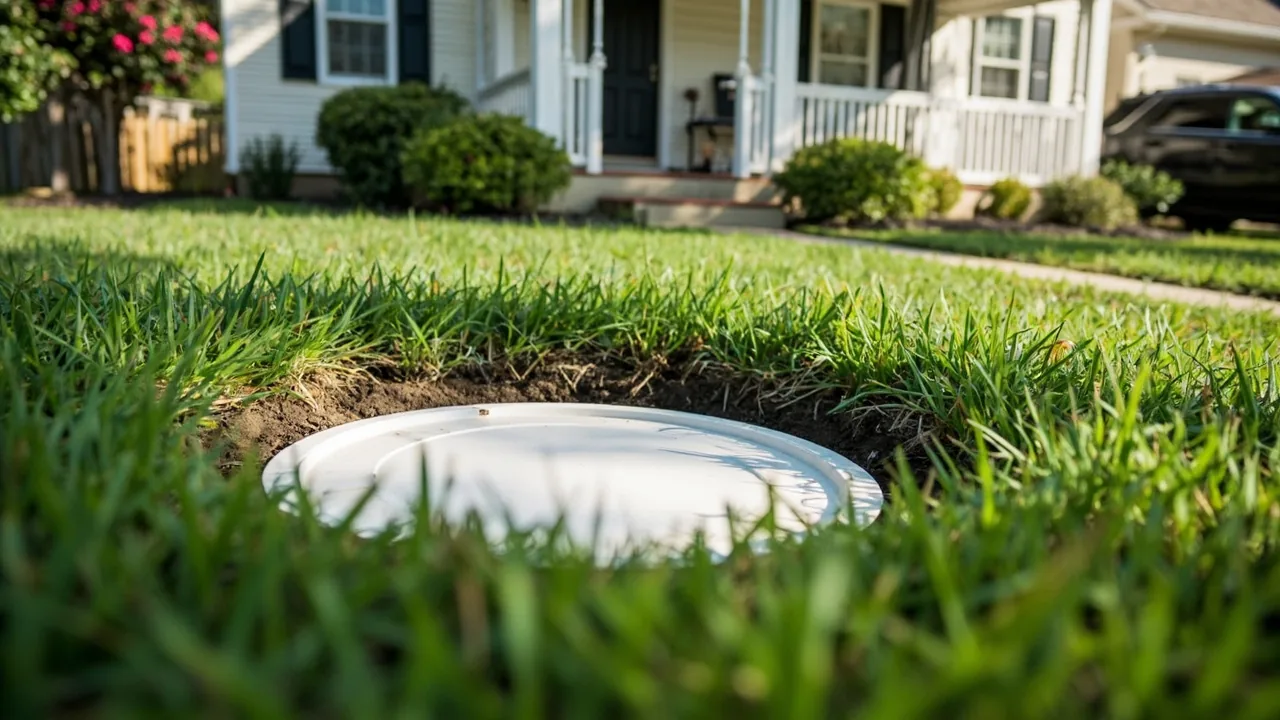 Professional septic repair
When your septic system has problems, the question of repair versus replacement can be confusing. Making the right choice depends on understanding the extent of the damage, the age of your system, and your long-term plans for the property.
In Fort Mill, where many homes have older septic systems, this decision comes up frequently. The right choice can save you thousands of dollars and years of frustration, while the wrong choice can mean expensive repairs that do not solve the underlying problem.
This guide helps you understand the factors that influence this decision so you can make an informed choice with your septic professional.
Repair is usually the right choice when:
If the issue affects only one component rather than the entire system, repair is often appropriate. Examples include a damaged baffle, a cracked lid, a localized pipe clog, or a problem with a single distribution line.
If your system is less than 15-20 years old and has been well-maintained, repair is usually preferred. A newer system has many years of life remaining, making repair the more cost-effective choice.
When a clear, isolated cause can be identified and fixed—such as a root intrusion, a broken pipe, or a stuck float in a pump chamber—repair is appropriate.
If inspection shows the tank is in good condition, the drain field is functioning properly, and only one component needs attention, repair makes sense.
Replacement is usually necessary when:
Drain field failure is the most common reason for full system replacement. Signs include persistent wet areas, surface discharge, multiple backups, or complete system failure. Once the drain field is clogged, repair is usually not possible—replacement is required.
Cracked, collapsed, or severely corroded tanks often cannot be repaired effectively. If the tank structure is compromised, replacement is the safer choice.
Systems over 25-30 years that require significant repairs may be approaching the end of their useful life. Investing in repairs for an aging system may be throwing good money after bad.
If inspection reveals problems with the tank, drain field, and distribution system, replacement is often more cost-effective than piecemeal repairs.
Older systems may not meet current York County code requirements. In some cases, bringing an old system up to code costs as much or more than replacement.
If you have expanded your home or increased occupancy, an existing system may be undersized. When expansion is significant, replacement with a properly sized system may be required.
Cost is a major factor in the decision, but it should not be the only consideration:
Compare the cost of repair to the remaining expected life of your system. A $3,000 repair that extends system life by 10 years costs $300 per year. A $10,000 replacement that lasts 30 years costs $333 per year. In this example, repair makes financial sense.
However, if that same $3,000 repair only extends life by 2 years, replacement might be the better long-term choice.
Sometimes a middle-ground option exists between full repair and complete replacement:
If the tank is failing but the drain field is still functional, replacing just the tank may be appropriate. This typically costs $3,000-$6,000 and can extend system life significantly.
If the tank is sound but the drain field has failed, replacing just the drain field is possible. This costs $5,000-$15,000 depending on site conditions and is often the best option for older homes with sound tanks.
Replacement provides an opportunity to upgrade to a more efficient or advanced system. Alternative systems like aerobic treatment units or drip irrigation may better suit challenging sites.
If you plan to sell soon, a repaired system with documented passing inspections may satisfy buyers. If you plan to stay long-term, investing in replacement might make more sense.
A thorough septic inspection provides crucial information about system condition. This should be the primary basis for your decision.
Trust your septic professional's assessment. Experienced technicians have seen many systems and can often predict whether repair will be a temporary fix or a lasting solution.
If you cannot afford replacement now, repair may be necessary as a temporary measure while you save for the bigger investment.
Local factors affect the repair vs. replacement decision:
The clay soils common in Fort Mill can accelerate drain field clogging, making drain field issues more common here. This may tip the balance toward replacement in some cases.
If your system is original to a home built in the 1980s or earlier, it is likely approaching the end of its expected lifespan regardless of repair history.
Some Fort Mill neighborhoods may eventually connect to municipal sewer. If sewer is planned for your area in the near future, temporary repair may make sense until connection becomes available.
In some cases, drain field repair using techniques like soil remediation or system aeration may restore function. However, in most cases, drain field failure requires replacement.
A professional inspection can determine tank condition. Signs of tank failure include visible cracks, collapse, severe corrosion, or inability to hold water.
It depends on overall system condition and the specific repairs needed. A 30-year-old system with a sound tank might benefit from drain field replacement, while one with multiple failing components may need complete replacement.
Quick answer: Septic repair is usually the first path when the problem is localized: clogged or broken lines, damaged baffles, filter issues, pump or alarm failures, minor tank components, or a drain-field problem caught early. Replacement becomes more realistic when the system is old, undersized, structurally damaged, repeatedly backing up, failing inspections, or showing widespread drain-field saturation. In Fort Mill, permitting and soil conditions can change the final recommendation.
Request a decision review when repair costs are stacking up, the same symptom keeps returning, a sale inspection flags failure, or replacement is being considered before a major property change.
Include symptoms, service history, last pump date, inspection findings, photos, number of occupants, and whether the goal is urgent repair, long-term planning, or resale readiness.
Not sure if repair or replacement makes sense? Send the symptoms and history so the request can be evaluated against repair, drain-field, tank, and permitting factors.