Service Comparison
Septic Pumping vs Repair Services in Fort Mill, SC
Understanding the difference between septic pumping and repair services helps Fort Mill homeowners choose the right solution for their specific situation.
- When pumping is sufficient
- When repairs are necessary
- Cost and time considerations
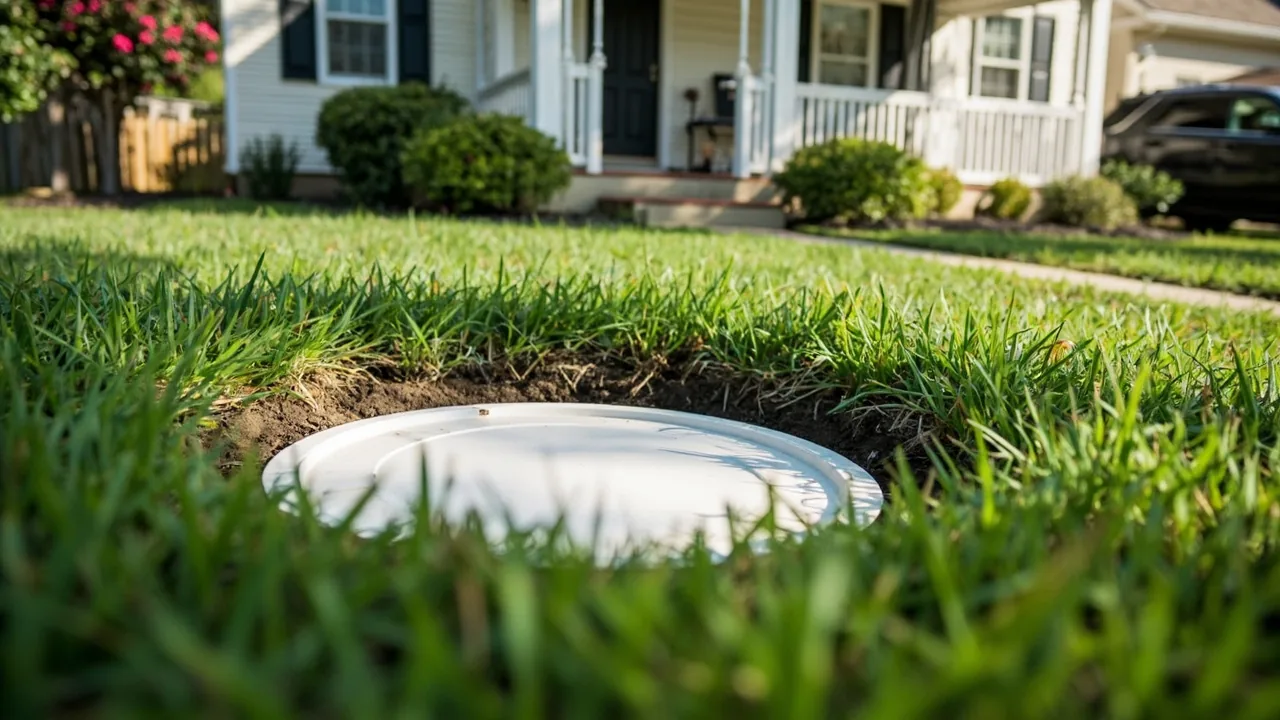 Professional septic services
Understanding Septic Pumping and Repair
Septic pumping and repair are two distinct services that address different problems with your septic system. Pumping is a routine maintenance service that removes accumulated solids from the tank, while repair addresses physical damage or malfunctioning components. Understanding when each service is needed helps you avoid unnecessary expenses and prevent system failures.
In Fort Mill and throughout York County, both pumping and repair services are essential components of maintaining a healthy septic system. The key is knowing which service your system needs at any given time.
What Is Septic Pumping?
Septic pumping is the process of removing the solid waste and sludge that accumulates at the bottom of your septic tank over time. This is a preventive maintenance service, not a repair. During pumping, a technician uses a vacuum truck to remove the contents of the tank, leaving it clean and able to function properly.
When Pumping Is the Right Solution
Pumping is the appropriate service when your septic system is functioning well but needs routine maintenance. Here are the signs that pumping is what you need:
- It's been 3-5 years since your last pumping
- You have no current backup or slow drain issues
- The tank is accessible and in good structural condition
- Your drain field is functioning properly
- You want to prevent future problems
Benefits of Regular Pumping
Regular pumping extends the life of your entire septic system. By removing solids before they accumulate to excessive levels, you prevent solids from flowing into and clogging your drain field. This simple maintenance task can add years to your system's lifespan and save thousands in repair or replacement costs.
Pumping Cost and Time
Septic pumping in the Fort Mill area typically costs between $250 and $500, depending on tank size and accessibility. The service usually takes 1-2 hours to complete. This makes pumping one of the most cost-effective maintenance investments you can make in your septic system.
What Is Septic Repair?
Septic repair addresses physical problems with your septic system. Unlike pumping, which is preventive maintenance, repair fixes something that is broken or not functioning properly. Repairs can range from minor fixes like replacing a baffle to major work like repairing a cracked tank or replacing drain field components.
When Repair Is the Right Solution
Repair is necessary when your septic system has a physical problem that prevents it from functioning correctly. Here are the signs that you need repair rather than just pumping:
- Slow drains throughout the house
- Sewage backup in drains or toilets
- Foul odors inside or outside the home
- Wet or soggy areas in the yard
- Lush green grass over the drain field
- Gurgling sounds in pipes
- Visible damage to tank or components
Common Repair Types
Septic repairs address various problems:
- Baffle replacement: $300-$800
- Pipe repair or replacement: $500-$2,000
- Tank crack repair: $1,000-$2,500
- Distribution box repair: $500-$1,500
- Drain field restoration: $3,000-$10,000
Repair Cost and Time
Repair costs vary widely based on the nature and extent of the problem. Minor repairs may cost a few hundred dollars, while major repairs or component replacement can cost several thousand dollars. Repair time ranges from a few hours for simple fixes to several days for complex projects.
Pumping vs Repair: Side-by-Side Comparison
| Factor | Pumping | Repair |
|---|---|---|
| Purpose | Preventive maintenance | Fix broken components |
| Frequency | Every 3-5 years | As needed when problems occur |
| Cost Range | $250-$500 | $300-$10,000+ |
| Time Required | 1-2 hours | Hours to days |
| Indicators | Routine maintenance | System malfunction |
| Can Prevent Future Problems | Yes | Sometimes |
When You Need Both Pumping and Repair
Sometimes a single service call reveals the need for both pumping and repair. This commonly occurs when:
Pumping Reveals Damage
During the pumping process, a technician may discover cracks, damaged baffles, or other problems that weren't visible from the surface. In these cases, repair becomes necessary after pumping is complete.
Clogged Pipes Found
If your tank is extremely full, the cause might be a clogged pipe between the house and tank or between the tank and drain field. Pumping alone won't fix this problem—pipe repair or cleaning is also needed.
Drain Field Issues
When pumping doesn't resolve slow drains or other symptoms, the problem may be in the drain field. A comprehensive inspection after pumping can determine if drain field repair is needed.
The Importance of Professional Assessment
A qualified septic professional can determine whether pumping, repair, or both services are needed. Attempting to diagnose the problem yourself can lead to wasted money on the wrong service or, worse, system failure and property damage.
Preventing the Need for Major Repairs
Regular pumping is one of the best ways to prevent the need for major repairs. Here are additional steps Fort Mill homeowners can take:
Schedule Regular Pumping
Have your tank pumped every 3-5 years, or more frequently if you have a larger household or a smaller tank. This removes solids before they cause problems.
Watch What Goes In
Avoid flushing non-biodegradable items, grease, chemicals, and excessive household cleaners. These can damage your system or cause clogs.
Protect the Drain Field
Don't drive or park vehicles on the drain field. Don't plant trees or shrubs near the system. Divert roof drains and surface water away from the septic area.
Address Problems Early
Small problems often become major repairs if ignored. Addressing issues promptly can save thousands of dollars and prevent system failure.
Fort Mill-Specific Considerations
Fort Mill homeowners should be aware of local factors that affect septic system performance:
Soil Conditions
The clay soils common in York County can affect how quickly effluent drains. This makes regular pumping especially important to prevent overloading the drain field.
Growth and Development
Fort Mill's rapid growth has increased the importance of properly functioning septic systems. More homes means more demand on existing systems and more scrutiny from county health departments.
Seasonal Factors
Heavy rains in spring and summer can saturate drain fields, making pumping more critical during these seasons. Winter freezing can also affect system components.
Frequently Asked Questions
Can pumping fix slow drains?
Sometimes. If slow drains are caused by a full tank, pumping may help. However, if the problem is a clogged pipe or drain field failure, pumping alone won't fix it.
How do I know if I need repair instead of pumping?
Signs you need repair include sewage backup, foul odors, wet spots in the yard, and visible damage. A professional inspection can determine the exact cause.
Can I pump my own septic tank?
While technically possible with rented equipment, pumping should be done by professionals who can also inspect the tank for problems and properly dispose of waste.
How often should I pump my septic tank?
Most tanks need pumping every 3-5 years. Households with more occupants or smaller tanks may need more frequent pumping.
Related Resources
Quick answer: when should this Fort Mill septic topic become a service request?
Quick answer: If this septic pumping vs repair services in fort mill, sc question involves sewage backing up, strong septic odor, wet drain-field soil, a tank alarm, failed inspection, property sale timing, a planned addition, or uncertainty about the right system type, capture the details before guessing. Fort Mill-area septic decisions depend on site conditions, county rules, tank history, soil behavior, and access.
- Urgent symptoms: backups, surfacing wastewater, or active alarms should be described with photos and timing.
- Planning questions: permits, additions, new construction, drought, storm, or seasonal usage issues need property-specific context.
- Best next step: submit the request with city/ZIP, last pump date if known, symptoms, timeline, and decision goal.
Request a Fort Mill Septic Estimate
Use this form when a septic question turns into a real repair, pumping, inspection, replacement, drain-field, permit, or planning need. Share the property location, symptoms, timing, and any photos so the request is specific enough for a contractor to evaluate.