What to send first
Include backup location, alarm status, last pump date if known, soggy-yard photos, and whether toilets or drains are actively slow.
Education • Fort Mill
A practical Fort Mill area septic guide for homeowners dealing with what to document before service, real estate, repairs, or replacement planning. Use it to understand urgency, prepare better photos and notes, and request the right septic repair evaluation.
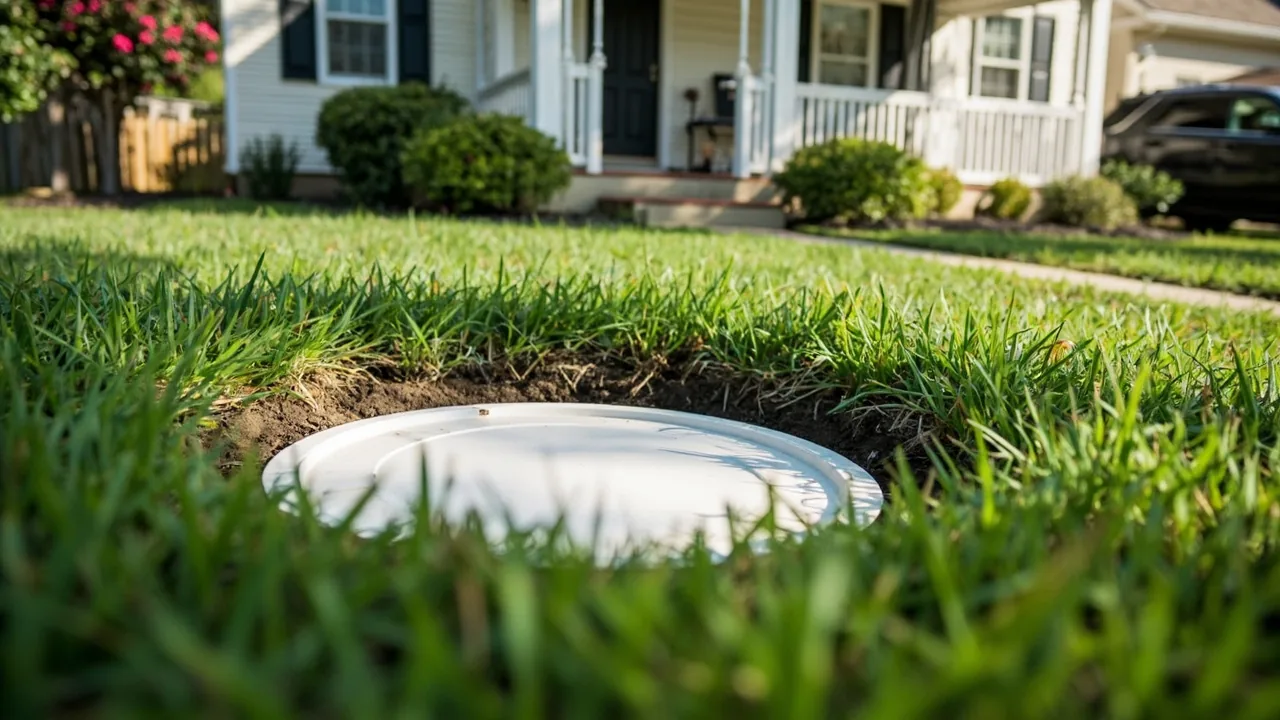 Representative project photo
Quick answer: Septic Inspection Checklist for Fort Mill, SC Homes questions should be handled by documenting the symptom pattern, checking whether multiple fixtures or yard areas are involved, limiting water use if backup is possible, and requesting diagnosis before assuming pumping alone will solve the problem.
This Fort Mill homeowner guide explains septic inspection checklist Fort Mill SC from a practical repair-planning perspective. Septic decisions are easier when you know the difference between maintenance, diagnosis, and actual repair work. The right answer depends on system age, tank size, household usage, soil conditions, prior service history, and whether current symptoms point to the tank, a line, a pump, or the drain field.
Use this guide to prepare a better estimate request, compare advice, and avoid oversimplifying a septic problem. For Fort Mill area homes, what to document before service, real estate, repairs, or replacement planning. Online ranges and rules of thumb can be helpful, but they cannot replace an on-site assessment. A contractor-readable request should include photos, dates, visible access points, recent pumping or inspection records, and a plain-language description of what changed.
Treat active sewage backup, wastewater surfacing in the yard, strong sewage odor inside the home, a septic alarm with slow drains, or toilets and tubs that will not drain as urgent. Limit water use, keep people and pets away from suspect wet areas, and avoid digging around unknown utilities or septic components. An urgent request should say exactly what is backing up, whether fixtures are usable, and whether any wastewater is visible outside.
Urgency is not only about inconvenience. Sewage exposure can create health concerns, property damage, odor complaints, and more complicated cleanup. A fast response is most useful when the request includes details that help a professional bring the right tools. Photos of the yard, cleanout, alarm box, tank lids, and affected fixtures can be more useful than a long phone description.
Include the property city or community, approximate age of the home if known, last pump date, number of people in the household, whether a garbage disposal is used, and whether recent heavy rain or extra water use happened before the symptom. If the property is part of a real estate transaction, include inspection deadlines and any written findings already available.
Describe whether the issue affects one fixture, several fixtures, or the entire home. Note any septic alarm lights, pump sounds, odors, wet grass, unusually green strips over the drain field, collapsed soil, broken lids, exposed pipes, or recent landscaping. The clearer the request, the easier it is to separate simple service from diagnosis, repair, or replacement planning.
A septic professional may check the tank level, inlet baffle, outlet baffle, effluent filter, pump chamber, floats, control panel, cleanout, distribution box, and drain-field area. Depending on the symptom, they may also inspect building sewer lines, roots, crushed piping, settlement, hydraulic overload, or stormwater entering the septic area.
The cause is not always visible from the surface. A yard can smell without obvious standing water, and a drain field can be overloaded before it fully fails. Conversely, a wet lawn can sometimes come from irrigation, roof runoff, or grading rather than septic effluent. That is why diagnosis matters before a homeowner authorizes major excavation.
Pumping removes accumulated solids from the tank and is essential maintenance, but it does not repair a broken line, failed pump, cracked lid, damaged baffle, saturated absorption field, or collapsed component. If symptoms disappear briefly after pumping and return quickly, the system may need further diagnosis rather than another routine pump-out.
Repair work may be narrow, such as replacing an effluent filter or fixing a baffle, or it may be broader, such as line repair, pump replacement, distribution box work, drain-field rehabilitation, or replacement planning. The request should avoid assuming the answer before the system is evaluated.
Septic repair cost depends on access, diagnosis time, depth of components, soil condition, permits, parts, excavation, disposal, and whether the work is emergency service. A small component repair can be very different from replacing a failed absorption field. Homeowners should ask what is included in the quote, what is unknown until inspection, and whether additional permitting or engineering may be needed.
The cheapest first visit is not always the least expensive overall if it only addresses a symptom temporarily. A strong estimate explains the suspected cause, immediate mitigation, recommended repair path, and warning signs that would change the scope.
Clear access to the tank area if you know where it is, but do not remove heavy lids or dig unless instructed by a professional. Stop unnecessary laundry, long showers, dishwasher cycles, and irrigation until the issue is understood. Gather old service records, permits, inspection reports, and photos. Mark where symptoms appear in the yard so they can be found even if the ground dries before the visit.
If the property has tenants, guests, or a real estate deadline, communicate that in the request. Timing affects prioritization and may determine whether the first goal is emergency stabilization, full diagnosis, written documentation, or a repair proposal.
Ask what evidence points to the suspected cause, whether pumping is maintenance or part of diagnosis, whether camera inspection or locating is recommended, and what conditions would require a different repair plan. Ask whether the system can be used normally after the visit or whether water use should remain limited.
For larger repairs, ask about permits, county requirements, expected timeline, yard disturbance, warranty terms, and whether financing or staged work is available. Clear questions help the homeowner compare bids by scope rather than comparing one vague number against another.
For Fort Mill and surrounding communities, the most useful request is specific, calm, and evidence-based. Mention cross streets or neighborhood, whether the property is in York, Lancaster, or Chester County if known, and whether access is limited by gates, steep drives, dogs, fences, or lake-area terrain. These details can affect scheduling and equipment choice.
A good online request does not replace an inspection, but it can prevent wasted time. The goal of this site is to help homeowners send complete septic repair information so the right type of professional can evaluate the issue, prioritize emergencies, and explain next steps.
Not always. It becomes urgent when sewage backs up, wastewater surfaces, strong odor enters the home, or multiple fixtures stop draining. Mild or isolated symptoms still deserve documentation and prompt evaluation if they repeat.
Pumping may be needed, but it is not the same as repair. If the symptom suggests a damaged part, pump issue, line blockage, or drain-field problem, ask whether pumping is diagnostic, preventive, or only temporary.
Photos of wet yard areas, tank lids, cleanouts, alarm panels, affected drains, and prior inspection notes help a contractor understand the issue before arriving.
A useful range may be possible for some services, but final pricing requires diagnosis, access review, and confirmation of the actual failure point.
Fort Mill septic estimate routing
For backups, sewage odor, alarms, soggy drain fields, or a failed tank, the fastest path is a clear request that tells a septic contractor what is happening now, where the system is failing, and whether the property may need pumping, diagnosis, or replacement planning.
Include backup location, alarm status, last pump date if known, soggy-yard photos, and whether toilets or drains are actively slow.
Active sewage backup, toilet overflow, standing wastewater, or septic alarm plus slow drains should be treated as urgent.
Repeated backups, collapsed lids, inlet/outlet failure, or persistent drain-field saturation may need replacement planning instead of another temporary service call.
Tell us what is happening, where the property is, and how soon you need help. The goal is a complete, contractor-readable request — not a generic contact form.