Septic Symptom Guide • Fort Mill, SC
High Water Bill and Septic Problems in Fort Mill: What to Check
An expanded guide to a high water bill in a Fort Mill home on septic: hidden leaks, running fixtures, irrigation problems, and how a high bill can point to a septic issue rather than a plumbing issue.
- Quick homeowner checks before calling a contractor
- Running toilets, fixture leaks, and irrigation leaks
- Pump-chamber and riser leaks that hit the bill
- How to describe the symptom in an estimate request
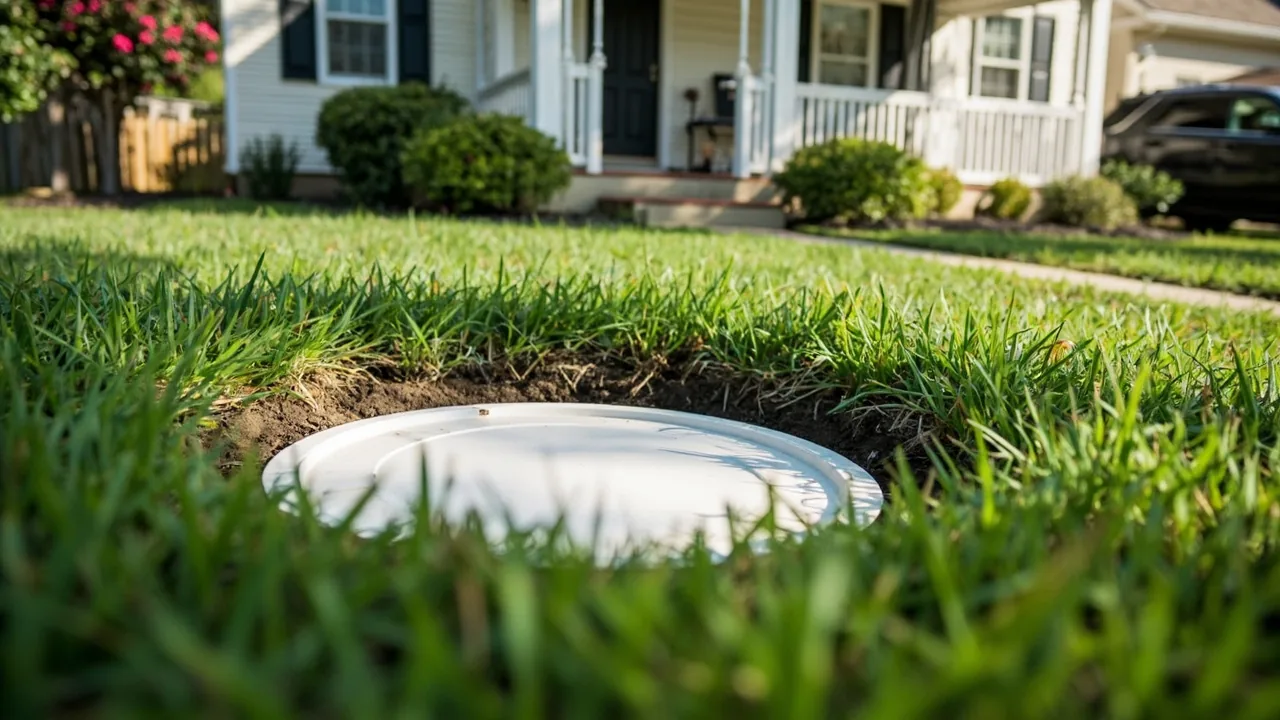 Representative project photo
Overview: High Water Bill and Septic Problems in Fort Mill
A high water bill in a Fort Mill home on septic is not always a septic problem, but it can be: a running toilet, a slab leak, a stuck float in a pump chamber, a leaking riser, or a service line break can all inflate the bill and stress the septic system at the same time. The right response depends on which cause is most likely, and the homeowner's quick checks can save a contractor visit. This page is a working guide for homeowners who are noticing a high water bill and want to sort the cause before submitting an estimate request.
This is an educational local-service reference built around Fort Mill properties. It is not a substitute for an on-site inspection, and it does not pretend to give a final price online. Septic work depends on buried conditions, soil, access, permits, parts, equipment, and the actual failure point. The goal of this page is to help a homeowner sort the evidence, describe it clearly, and submit a request that a qualified local contractor can actually act on.
Why a high water bill matters for a septic system
A septic system is sized for a certain amount of daily water use, and when the water use goes up, the system can be pushed past its capacity. The result can be slow drains, backups, odors, or wet spots in the yard, even if the system's components are in good condition. A high water bill is a signal that the home is using more water than usual, and the cause may be a fixture, a leak, or a system issue.
The other reason a high water bill matters is that the bill itself is a record. Most water utilities show usage by month, and an unusual spike is easy to spot. The spike is also a starting point: the homeowner can look at what changed in the home (new fixture, new appliance, new occupant, new irrigation setup) and at what was happening in the yard (new landscaping, new pool, new water feature) when the spike started.
A high water bill is not always a leak. It can be a one-time event (a pool fill, a long visit from family, a garden project) or a sustained increase in normal use (a new occupant, a work-from-home routine, a new appliance). The first step is to figure out whether the high bill is a one-time event or a sustained issue, and the answer changes the response.
- One-time high bills usually correspond to a specific event (pool fill, garden project, guests)
- Sustained high bills usually correspond to a leak, a running fixture, or a change in routine
- A spike that started suddenly and has not returned to baseline often points to a leak
- A spike that has been steady for months often points to a running fixture or a change in use
Quick homeowner checks before calling a contractor
There are a few quick checks a homeowner can do before calling a contractor. First, look at the water meter. If the meter is spinning when no water is being used in the home, there is an active leak somewhere. The location of the leak (inside the home, in the yard, at the meter) helps the contractor decide where to look first.
Second, check the toilets. A running toilet is one of the most common causes of a high water bill, and a single running toilet can waste hundreds of gallons a day. The simplest check is to add a few drops of food coloring to the tank and wait 15 minutes without flushing. If the color appears in the bowl, the flapper is leaking and the tank is running.
Third, check the irrigation system. A stuck valve, a broken sprinkler head, or a leaking irrigation line can waste a lot of water without being obvious. Most irrigation controllers have a 'test' mode that runs each zone for a few minutes, and the homeowner can watch for obvious leaks during the test.
Fourth, check the home's other fixtures. Faucets, showerheads, washing machine hoses, dishwasher supply lines, and water heater pressure relief valves can all leak. A quick walk-through of the home with a flashlight can find the obvious leaks, and a quieter leak may need a contractor visit.
When the high bill is a plumbing issue, not a septic issue
A high bill that is tied to a plumbing issue (running toilet, fixture leak, irrigation leak) is a plumbing question, not a septic question. A plumber or a handyperson can usually find and fix the issue without a septic visit. The high bill is the symptom, and the cause is the leak, not the septic system.
A plumbing issue can still stress the septic system, because the additional water use can push the system past its capacity. The result can be slow drains, backups, or wet spots in the yard, even if the system's components are in good condition. Fixing the leak is the first step, and the septic symptoms usually clear once the leak is fixed and the system has time to recover.
A homeowner who has fixed a leak and is still seeing septic symptoms should consider a septic contractor visit. The additional water may have exposed an existing issue (a marginal tank level, a partially saturated field) that was not visible before the leak. The contractor can assess the system and outline the options.
When the high bill is a septic-side issue
A high bill can also be caused by a septic-side issue. A leaking riser, a stuck float in a pump chamber, a cracked pump chamber lid, or a service line break on the home's side of the meter can all waste water and inflate the bill. These are real septic issues that need a contractor visit, and the response usually includes both a fix to the leak and a check of the rest of the system.
A leaking riser is one of the most common septic-side causes. The riser is the vertical pipe that runs from the tank lid up to grade, and if the riser is cracked, the lid is not seated properly, or the riser-to-tank seal has failed, water can leak out of the tank and into the yard. The leak is not always obvious, and the high bill is often the first signal.
A stuck float in a pump chamber is another common cause. The pump chamber has a float that turns the pump on and off based on the water level, and a stuck float can keep the pump running constantly. The pump pulls water from the chamber, the water has to be replaced, and the home's water use spikes. The contractor can check the pump, the floats, and the panel as part of the diagnosis.
What to do before a contractor arrives
The first thing to do is to figure out whether the high bill is a one-time event or a sustained issue. A one-time event (pool fill, garden project, guests) does not need a contractor visit. A sustained issue (spike that has not returned to baseline, or a steady high bill for months) usually needs investigation.
The second thing is to do the quick homeowner checks: water meter, toilets, irrigation, and other fixtures. These checks can find the obvious causes and can save a contractor visit. If the checks turn up nothing, the next step is a contractor visit.
The third thing is to document the spike. Note the month, the amount, and any changes in the home (new fixture, new appliance, new occupant, new irrigation setup) or in the yard (new landscaping, new pool, new water feature). The documentation helps the contractor narrow the cause before the visit.
How to describe the high bill in an estimate request
The estimate request should describe the high bill in plain language: when the spike started, how much it has increased, what the homeowner's quick checks have shown, and what other symptoms are present. Avoid vague descriptions like 'the water bill is high.' Specific descriptions like 'water bill doubled last month, food coloring test showed a leaking toilet flapper, irrigation system is also running longer than usual' give the contractor much more to work with.
The request should also note the home's plumbing layout, the last pump date, any recent renovations, and any known history with the system. If the home has a pump chamber, the panel model and the alarm status are also useful. These details help the contractor decide whether the visit is a quick check or a full diagnosis.
Finally, the request should make clear whether the homeowner is looking for diagnosis only, repair pricing, or replacement planning. Different goals lead to different visits, and naming the goal up front makes the response more useful.
Methodology: This page is an educational local-service reference for Fort Mill and the surrounding area. It summarizes common homeowner questions, repair decision factors, local property conditions, and estimate variables; an on-site contractor inspection is still required for exact pricing and scope.
Frequently asked questions
Can a high water bill mean a septic problem?
Yes. A leaking riser, a stuck float in a pump chamber, or a cracked pump chamber lid can all waste water and inflate the bill. The contractor can check the system as part of the diagnosis.
Should I check the toilets first?
Yes. A running toilet is one of the most common causes of a high water bill, and a single running toilet can waste hundreds of gallons a day. The food coloring test is a simple way to find a leaking flapper.
What if my home is on a well?
A well-water home does not have a water bill, but a high water bill equivalent is the well pump running constantly. The well pump is usually audible near the well or the pressure tank, and a constantly running pump is a sign of a leak or a stuck float.
Should I keep using water if the bill is high?
If the high bill has not been explained, reduce indoor water use until the cause is found. Avoid laundry, long showers, dishwasher cycles, and repeated flushing. The reduced use can help the system recover and can make the leak easier to find.
Request a Septic Estimate
Tell us what is happening, where the property is, and how soon you need help. The goal is a complete, contractor-readable request — not a generic contact form.