Code Requirements
York County Septic Code Requirements
Understanding York County septic code helps Fort Mill homeowners ensure their systems meet local regulations and function properly.
- Setback requirements
- System sizing rules
- Installation standards
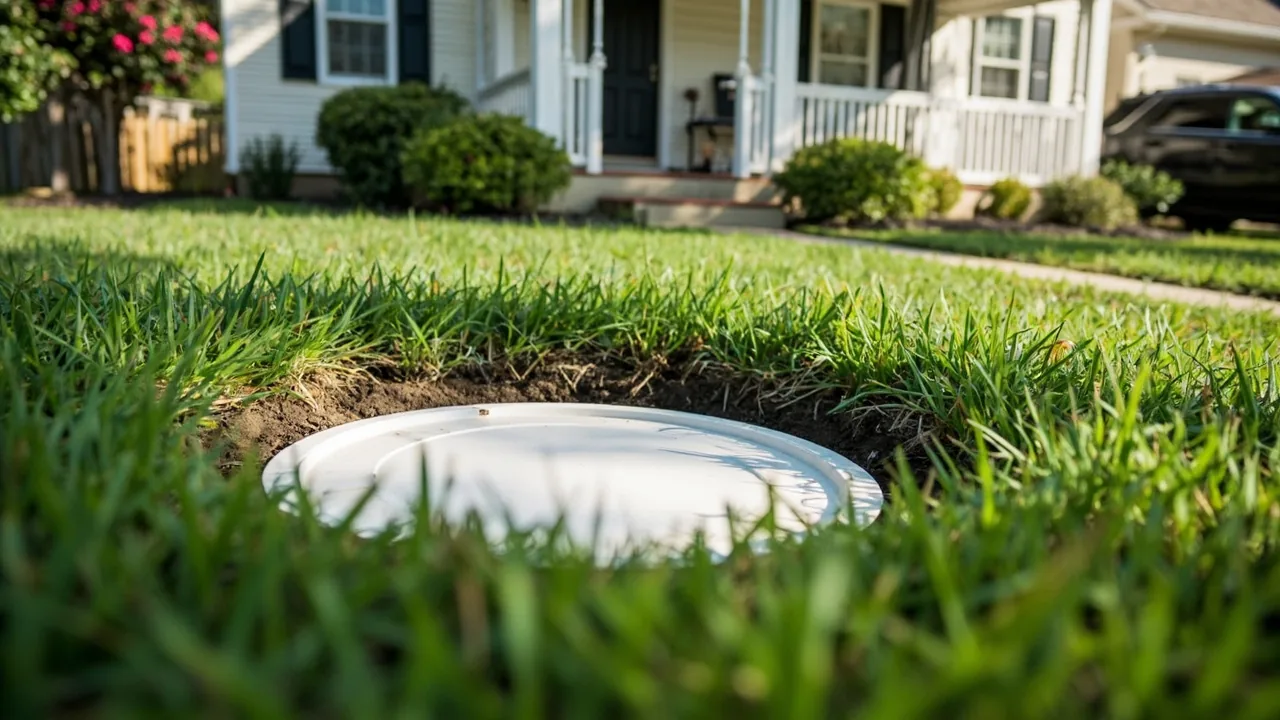 Code-compliant septic installation
Understanding York County Septic Codes
York County maintains specific regulations for septic systems to protect public health and groundwater quality. These codes establish minimum standards for system design, installation, and maintenance that all septic systems in the county must meet.
The regulations are based on South Carolina state law and adapt national standards to local conditions. Understanding these requirements helps homeowners maintain compliant systems and avoid issues during home sales or property development.
York County Environmental Health enforces these codes and issues permits for new installations, repairs, and modifications. Compliance is required for system approval and passing inspections.
York County Septic Setback Requirements
Setbacks are minimum distances that must be maintained between septic components and other features. York County requires:
- Property lines: 10 feet minimum from septic tank and drain field
- Water wells: 100 feet minimum from any septic component
- Streams and water bodies: Varies by classification; typically 50-100 feet
- Building foundations: 10 feet minimum from septic tank
- Water lines: 10 feet minimum separation
- Impervious surfaces: Drain fields should be 20+ feet from paved areas
These setbacks ensure that effluent is properly treated before reaching potential contamination sources and that maintenance access is available.
System Sizing Requirements
York County requires septic systems to be sized based on several factors:
Bedroom Count
System capacity is determined by the number of bedrooms in the home, not the number of current occupants. This accounts for potential maximum usage. Standard sizing:
- 2 bedrooms: 1,000 gallon tank minimum
- 3 bedrooms: 1,250 gallon tank minimum
- 4 bedrooms: 1,500 gallon tank minimum
- 5 bedrooms: 2,000 gallon tank minimum
Drain Field Sizing
Drain field size is based on soil percolation rate and expected daily water usage. Homes with higher water usage or poorer-draining soil require larger drain fields.
Additional Factors
Garbage disposals, hot tubs, and other high-water-use features may require larger systems or additional capacity.
Soil and Site Requirements
Soil conditions are critical to septic system approval in York County:
Percolation Testing
Soil must be tested to determine percolation rate—the speed at which water drains through the soil. This determines whether standard systems are feasible or if alternative designs are needed.
Soil Classification
Soils are classified by their drainage characteristics. In Fort Mill's Piedmont region, clay soils predominate, which drain more slowly than sandy soils. This affects system design and may require alternative approaches.
Groundwater Depth
High groundwater can contaminate effluent and prevent proper treatment. Minimum separation between drain field and groundwater is typically 4-6 feet, depending on soil conditions.
Slope
Excessive slope can cause effluent to run off rather than percolate properly. Systems on sloped sites may require special design considerations.
Installation and Construction Standards
York County requires specific construction standards for septic components:
Tank Requirements
- Tanks must be watertight and structurally sound
- Material must be resistant to corrosion and degradation (concrete, fiberglass, or polyethylene)
- Minimum tank thickness and reinforcement as specified by code
- Access lids must be secured but removable for maintenance
Drain Field Requirements
- Pipes must be properly sized and sloped
- Gravel bedding must meet size and cleanliness standards
- Geotextile fabric may be required to prevent soil intrusion
- Proper cover depth to prevent freezing and damage
Baffles and Components
- Inlet and outlet baffles must be properly installed
- Distribution boxes must be level and properly connected
- Inspection ports must be provided for maintenance access
Maintenance and Inspection Requirements
York County has requirements for ongoing system maintenance:
Inspection Requirements
Systems must be inspected before property transfer and may require periodic inspection for certain system types or commercial properties.
Pumping Frequency
While not explicitly mandated by code, regular pumping is necessary to prevent system failure. County inspectors may recommend pumping during inspections if solids accumulation is excessive.
System Monitoring
Homeowners are responsible for monitoring their systems and addressing problems promptly. Failure to maintain a functional system can result in code violations and environmental contamination.
Alternative and Advanced Systems
When standard systems are not feasible due to site conditions, York County may approve alternative systems:
Aerobic Treatment Units
These systems add oxygen to treat wastewater more thoroughly before discharge to the drain field. They can be used in areas with poor soil drainage.
Drip Irrigation Systems
These systems distribute effluent slowly through small tubing, allowing treatment in areas with limited absorption capacity.
Sand Filter Systems
These systems filter effluent through sand before discharge, providing additional treatment for challenging sites.
Alternative systems typically require more maintenance and may have specific inspection requirements.
Ensuring Code Compliance
To maintain code compliance:
- Keep records of all permits, inspections, pumping, and repairs
- Schedule regular inspections, especially before selling your home
- Address any code violations promptly
- Use licensed professionals for installation and repairs
- Contact York County before making any modifications to your system
Non-compliance can result in fines, failed inspections, and difficulty selling your home.
Frequently Asked Questions
Where can I find York County septic regulations?
Contact York County Environmental Health at (803) 628-3200 or visit yorkcounty.gov for current regulations and permit information.
Can I get a variance from setback requirements?
Variances are sometimes possible but require a formal request and demonstration of hardship. York County reviews variance requests on a case-by-case basis.
What happens if my system does not meet code?
Non-compliant systems may fail inspection, require costly repairs or replacement, and complicate property sales. Address code issues promptly.
Related Resources
Quick answer for York County septic code questions
Quick answer: Fort Mill septic projects usually need code-aware planning before repair, replacement, additions, or new construction. Homeowners should gather the property address, existing permit records, bedroom count, tank/drain-field location, and the reason for work before requesting an estimate or county guidance.
Common permit triggers
- New septic installation, tank replacement, drain-field replacement, or major system repair.
- Home additions, bedroom-count changes, or use changes that increase wastewater load.
- Failed drain fields, surfacing wastewater, or repeated backups that require corrective work.
What helps a contractor evaluate it
- Prior permit documents, inspection notes, plats, and any soil evaluation reports.
- Photos of the tank area, drain field, access routes, and problem symptoms.
- Whether the goal is emergency repair, sale/closing, remodel planning, or replacement.
Can code questions be answered online?
Only generally. Exact requirements depend on the property, system history, soil conditions, and current county/state review.
Should I request an estimate before calling the county?
If you already have symptoms or a project plan, an estimate request with documents and photos can help clarify the likely scope before formal review.
Request a Septic Estimate
Tell us what is happening, where the property is, and how soon you need help. The goal is a complete, contractor-readable request — not a generic contact form.