Education • Updated 2026-09-20
How Often Should You Pump a Septic Tank in Fort Mill?
Use this Fort Mill-area guide for educating homeowners on pump intervals, household size, tank use, warning symptoms, and when pumping is not the same as repair. It explains what to document, what to avoid, and how to send a contractor-readable request.
- 1500+ words of homeowner-first septic guidance
- Built around symptoms, timing, photos, and access
- Updated marker: fm-10x-20260920
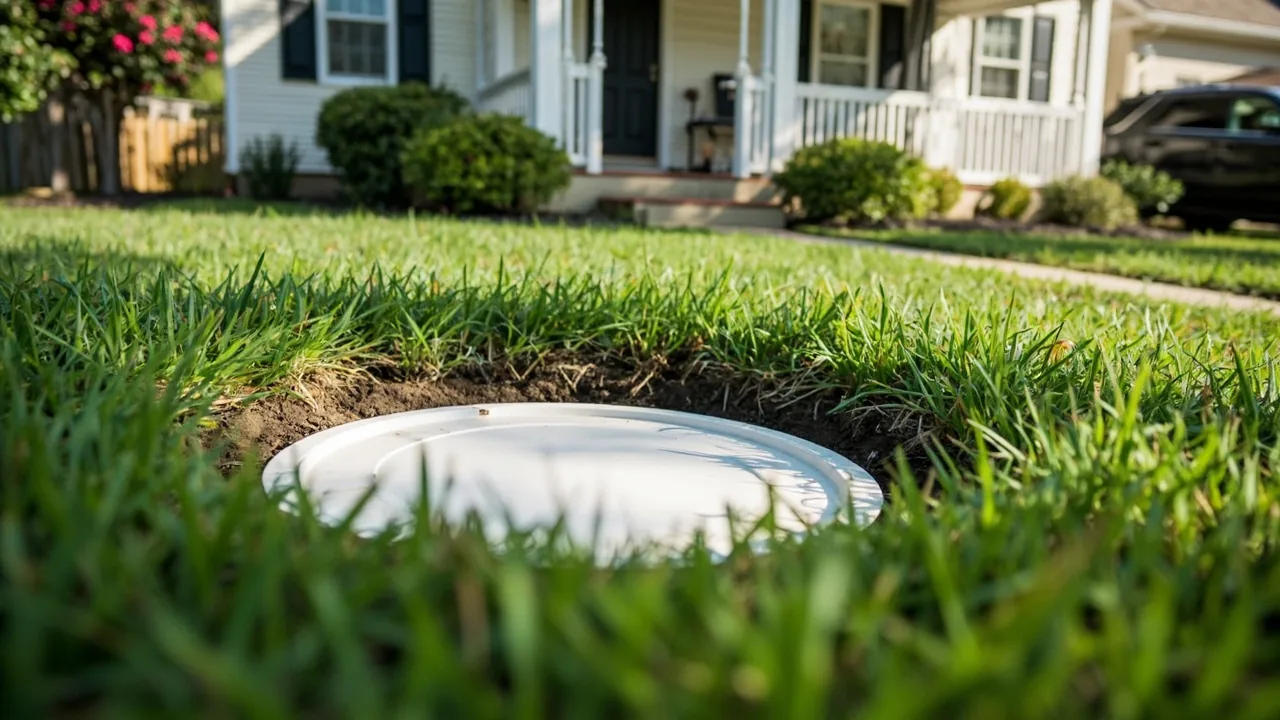 Representative project photo
September 19, 2026 planning notes for How Often to Pump Septic Fort Mill SC
Current-run marker: fm-10x-20260920. This refresh keeps the page useful for homeowners who are comparing septic repair options this week, not just reading a static definition. For how often to pump septic fort mill sc, the most useful request usually explains where the property is, when the symptom or planning question started, how water use has changed, whether the tank was pumped recently, and what photos can show access lids, wet soil, alarms, cleanouts, or problem fixtures.
Use this page as a contractor-readable preparation checklist. Before asking for pricing, note whether the issue is urgent, recurring, or part of a sale, inspection, renovation, rental turnover, or household change. The goal is to separate routine maintenance from repair diagnosis, drain-field stress, tank component failure, line blockage, hydraulic overload, or replacement planning. A clear homeowner education request helps a Fort Mill-area septic professional decide what details to review first and what questions to ask before scheduling.
Quick answer for How Often to Pump Septic Fort Mill SC
A useful how often to pump request starts with a plain description of what changed at the property, not a guess about the final repair. In the Fort Mill area, homeowners often notice the symptom before they know whether the cause is the tank, a pipe, the distribution box, a pump, the drain field, a plumbing fixture, or stormwater around the system. Write down the first day the issue appeared, whether it is getting better or worse, and what changed before the symptom started. Recent guests, extra laundry, long showers, irrigation, heavy rain, power outages, landscaping, or a prior pump-out can all matter.
What the symptom or question can mean for How Often to Pump Septic Fort Mill SC
The safest short-term step is usually to reduce water use while the cause is uncertain. Avoid running several laundry loads, dishwasher cycles, long showers, or irrigation while the system is already stressed. Do not open a tank without proper equipment, do not drive across a suspected drain field, and do not treat sewage odors or standing wastewater as ordinary lawn issues. If wastewater is surfacing or sewage is backing into the home, that is a sanitation concern and should be handled more urgently than a general maintenance question.
What to document before requesting help for How Often to Pump Septic Fort Mill SC
Photos can make the request much clearer. Take wide photos that show the yard area, driveway, slope, access lids, cleanouts, wet spots, alarm panel, and safe access route. Then take closer photos of visible symptoms without touching wastewater or removing lids. If the property is rural or hard to locate, include the nearest cross streets, gate instructions, driveway notes, pets, tenant coordination needs, and where the tank or field is believed to be. Those details help a septic professional understand whether the request is likely maintenance, diagnosis, repair, replacement planning, or inspection support.
Local access and timing factors for How Often to Pump Septic Fort Mill SC
Educational planning pages are most useful when they connect general advice to the actual property. For how often to pump, think about household size, tank age, pump history, records, inspection notes, access, slope, trees, recent repairs, and whether symptoms are active now. A page can explain decision factors, but the right recommendation still depends on site-specific review.
Repair, pumping, inspection, or replacement? for How Often to Pump Septic Fort Mill SC
Pumping and repair are related but not identical. A full tank or overdue maintenance visit may need pumping first, but repeated backups shortly after pumping, strong sewage odor, persistent wet field areas, failed alarms, or multiple slow drains can point to a repair issue. A contractor may need to check inlet and outlet flow, tank condition, baffles, filters, pumps, floats, distribution components, pipe slope, soil saturation, or drain-field function. That is why this page focuses on estimate preparation rather than promising a fixed price online.
Safety notes while waiting for How Often to Pump Septic Fort Mill SC
Fort Mill-area properties can vary widely. Some homes are in dense subdivisions with limited equipment access; others are on larger lots where the field location is uncertain. Clay-heavy soil, slope, stormwater movement, older tanks, lake-area drainage, and Lancaster, York, or Chester County permitting history can all affect the repair conversation. The right scope depends on what is found on site, but a clear homeowner request can save time and reduce back-and-forth before scheduling.
Estimate-prep checklist for How Often to Pump Septic Fort Mill SC
When comparing next steps, separate immediate risk from planning. Immediate risk includes sewage inside the home, wastewater on the ground, a sounding alarm, a pump failure, or drains that are no longer usable. Planning questions include maintenance timing, inspection before a sale, a recurring slow-drain pattern, cost ranges, financing conversations, or deciding whether an old tank should be evaluated. Both are valid requests, but they should be described differently so the contractor can prioritize correctly.
Questions to ask before work starts for How Often to Pump Septic Fort Mill SC
If the project may involve cost comparison or financing, ask for a written scope after diagnosis. A clear scope should separate immediate mitigation, inspection findings, maintenance, component repair, excavation, drain-field evaluation, permitting, replacement options, and cleanup. That makes it easier to compare choices without assuming the cheapest short-term step is the correct long-term fix.
How to use this guide for How Often to Pump Septic Fort Mill SC
For how often to pump, the most helpful message usually answers six questions: where is the property, what exactly is happening, when did it begin, what changed recently, what has already been tried, and what outcome do you need. If there was a recent pump-out, include the date and whether symptoms improved temporarily. If rain seems connected, describe whether the yard symptom appears only after storms or during normal water use. If only one fixture is affected, mention that because it may point to a plumbing-side issue instead of the septic system.
Planning note for How Often to Pump Septic Fort Mill SC
Use this page as a checklist before submitting the form. It is written for homeowners, tenants, buyers, sellers, and property managers who need to turn a vague septic concern into a contractor-readable request. It does not replace inspection, permitting review, or professional diagnosis. It does help organize the facts that usually matter: symptom location, timing, water use, photos, safety, access, prior maintenance, and urgency. Marker: fm-10x-20260920.
Contractor-readable checklist
Copy this list into your notes before using the request form. It helps separate maintenance, diagnosis, urgent backup response, drain-field review, and replacement planning.
- Property city or nearest cross streets
- First day the symptom appeared
- Last septic pump date if known
- Affected fixtures or yard area
- Recent rain, guests, laundry, or irrigation
- Alarm light or pump behavior
- Photos of safe visible clues
- Whether this is urgent or planning-related
Frequently asked questions
When should this be treated as urgent?
Treat sewage backing into fixtures, wastewater surfacing in the yard, a strong sewage odor, multiple drains slowing at once, or an alarm/pump failure as urgent. Reduce water use and request site-specific help instead of trying to flush or test the system.
Is pumping always the fix?
No. Pumping can help when the tank is full or overdue, but it does not repair a broken baffle, failed pump, damaged tank, blocked line, saturated drain field, or grading issue around the system.
What should I include in an estimate request?
Include the property location, symptom start date, last pump date if known, number of affected fixtures, photos of lids or wet areas, alarm status, recent rain or heavy water use, and how quickly help is needed.
Can this page provide a final diagnosis?
No. This is educational estimate-prep guidance. Final diagnosis, code requirements, repair method, and price require a site-specific professional inspection.
2026-09-20 Fort Mill septic content expansion note
This page was created in the September 19, 2026 Fort Mill septic expansion. It is educational content for homeowner estimate preparation and AI/search discovery. It does not quote final price, diagnose without inspection, or replace local code and permitting review.
Request a Septic Estimate
Tell us what is happening, where the property is, and how soon you need help. Photos, timing, and last pump date help create a contractor-readable request.
Additional planning detail for How Often to Pump Septic Fort Mill SC
A useful how often to pump request starts with a plain description of what changed at the property, not a guess about the final repair. In the Fort Mill area, homeowners often notice the symptom before they know whether the cause is the tank, a pipe, the distribution box, a pump, the drain field, a plumbing fixture, or stormwater around the system. Write down the first day the issue appeared, whether it is getting better or worse, and what changed before the symptom started. Recent guests, extra laundry, long showers, irrigation, heavy rain, power outages, landscaping, or a prior pump-out can all matter.